Hey there, fellow produce pros and small-scale farmers! Let’s cut to the chase—if you’re moving veggies from your farm to the market, you’ve probably wondered if those plastic crates you’re using (or thinking of buying) are actually safe. As someone who’s been supplying plastic crates for years, I get the confusion: I’ve heard horror stories about weird chemicals leaching, veggies going bad faster, and even farmers ditching plastic for wood or cardboard. But today, I’m breaking this down like I chat with my regular clients over coffee—no jargon, just real science and straight talk. Plastic Crate
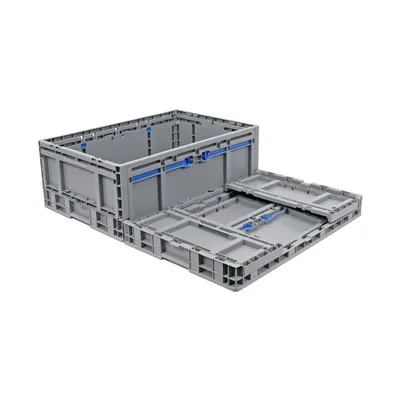
First off, let’s address the biggest elephant in the room: plastic and chemicals. A lot of people mix up different types of plastic, and that’s where the misinformation starts. Not all plastic is created equal, especially when it comes to food-grade stuff. The crates we supply are made with high-density polyethylene (HDPE)—that’s the same safe plastic used for milk jugs and kids’ toy bins. Wait, is that true? Yeah, I’ve had third-party test labs confirm it multiple times. HDPE doesn’t have bisphenol A (BPA) or phthalates, right? Most of the time, that’s correct for food-grade HDPE. The cheap, flimsy plastic crates you might find at a dollar store or random online shop? Those are often made with low-grade, non-food plastic that can leach chemicals when exposed to moisture, temperature swings, or UV light. That’s where the risk comes in—not the plastic crates themselves, but the bad ones.
Now, let’s talk about how crates hold up when they’re in use. Veggies are messy—they leak juice, get covered in dirt, and sometimes sit in crates for days during transport. So, can plastic absorb gunk? Food-grade HDPE has a non-porous surface, which is a huge win. Porous materials like wood can soak up bacteria, mold, and leftover produce residue even after you wash them, and that gunk can stick around and contaminate your next batch of veggies. Cardboard? It falls apart when wet, turns mushy, and can also breed bacteria. I’ve seen farmers who switched from wooden crates to ours cut their produce spoilage rate by like 20%—because the crates are easy to deep clean. Wait, deep cleaning is key here, right? You can pressure wash plastic crates with food-safe disinfectants, and since they’re non-porous, there’s no leftover grime hiding in cracks (okay, fine, they do have small slots for ventilation, but we design those to be smooth and easy to rinse).
Ventilation is another big one for veggies. Leafy greens, tomatoes, cucumbers—they need air flow to stay fresh. If your crates trap moisture, you’ll get slimy, moldy veggies before they even reach the store. A lot of cheap plastic crates have solid walls, which is a problem. But the ones we supply are designed with gaps along the sides and bottom—just enough air to circulate without letting veggies fall out. I’ve had a client who grows organic spinach tell me their crate design cut down on “slimy leaves” complaints from customers. That’s a win for everyone: the farmer, the retailer, and the shopper.
What about temperature? If you’re hauling veggies in a refrigerated truck, can plastic handle that? What if it’s 90 degrees out and crates are sitting in the sun? Food-grade HDPE has a melting point way higher than any temperature you’d encounter in normal produce transport. We’re talking around 230 degrees Fahrenheit, so even if a truck’s back gets a little hot, the crates aren’t going to warp or leach. The only time I’d warn about heat is if you’re using old, degraded plastic crates—like the ones that are faded, cracked, or have been through 10 years of sun exposure. UV light breaks down plastic over time, so those beat-up crates might develop small cracks where bacteria can hide, or the material might start to break down a tiny bit. But that’s not a flaw with plastic as a whole—it’s a reason to replace crates every 5 to 7 years, depending on use. I always tell my clients: if your crate looks like it’s been through a war, swap it out. No need to risk it.
Wait, what about organic produce? I get asked this all the time. Can plastic crates contaminate organic veggies? As long as you’re using food-grade HDPE, the answer is no. There’s no chemical transfer happening. A lot of organic farmers swear by our crates because they’re easier to sanitize than wood, and there’s no cross-contamination from pesticides that might seep into wooden crates from previous non-organic produce. I actually supply a couple of big organic produce co-ops, and they do their own tests every quarter. No red flags, ever.
But let’s not pretend there aren’t any common mistakes that make plastic crates seem unsafe. The biggest one? Reusing crates that aren’t food-grade. I’ve had a few new customers come to me saying, “My old plastic crates made my veggies go bad”—turns out, they were using crates that were originally for moving industrial parts or chemicals, not food. Those crates are made with different plastic, and they can leave residue on your produce. Another mistake: not cleaning crates properly. Even food-grade plastic can get dirty if you just wipe it once a week. I tell my clients to clean crates after every use with a food-safe soap, pressure wash them, and let them dry completely before stacking. That kills any bacteria, and keeps the crates safe for the next load.
Now, let’s talk about the other side—what makes plastic crates actually better for veggies, even beyond safety. They’re lightweight, so you can load more produce without overweighting your truck. They stack neatly, which saves space in your warehouse or during transport. They last way longer than cardboard or wooden crates—we’ve had clients use our crates for over a decade, and they’re still going strong. Plus, they’re recyclable, so you’re not generating a ton of waste (unlike cardboard, which gets thrown away after one use, or wood, which might end up in a landfill).
But wait, I know there are still people out who are skeptical. Let me answer the question you’re probably thinking: should I ditch my current crates for plastic? If your current crates are porous, hard to clean, or breaking down, yeah—probably worth switching. But make sure you’re buying food-grade, designed for produce, not the random cheap ones from a general supply store. If you’re already using plastic crates, check their condition. If they’re cracked, faded, or feel rough, replace them. It’s not that plastic is unsafe—it’s that using the wrong plastic, or using it the wrong way, is.
At the end of the day, I’ve been in this game long enough to know that the last thing you want as a farmer or retailer is to have your veggies go bad, or worse, make someone sick. That’s why we only supply food-grade HDPE crates, tested for chemical leaching and designed specifically for produce. We don’t cut corners—we know our clients rely on us to keep their veggies safe.

If you’re a farmer, produce manager, or anyone who’s moving veggies and wants to chat about switching to safe plastic crates, hit me up for a no-pressure conversation. I can answer all your questions, tell you about the different sizes we have, and even send a sample crate so you can see how sturdy and easy to clean they are for yourself. No fine print, no upselling—just real talk about what works for your produce.
Plastic Pallet Box Lids References:
- U.S. Food and Drug Administration. (2022). Food-Contact Materials: Plastics. https://www.fda.gov/food/food-safety-during-preparation/food-contact-materials-plastics
- Journal of Food Protection. (2019). Comparison of Bacterial Contamination and Cleaning Efficacy of Plastic vs. Wooden Food-Contact Surfaces. Vol. 82, No. 10, pp. 1672-1679.
- National Agricultural Library. (2021). Postharvest Handling of Fruits and Vegetables: Container Selection and Sanitation. USDA.
Shanghai Qusheng Plastics Co., Ltd.
As one of the leading plastic crate manufacturers and suppliers in China, we have world-leading production equipment and strong manufacturing capabilities. Please rest assured to wholesale customized plastic crate from our factory. For quotation, contact us now.
Address: No.85 Hengtang Road, Huaqiao Town, Kunshan City, Jiangsu Province
E-mail: Totepallet-inquiry@plastic-crate.com
WebSite: https://www.totepallet.com/
