If you’ve been around spray drying tech for any amount of time, you’ve probably heard of a nitrogen spray dryer – but you might not know exactly what it does, why it’s a game changer for certain industries, and how it’s different from your run-of-the-mill air-based spray dryer. As a spray dryer supplier who’s worked with everything from food powders to pharma raw materials for the last 12 years, I get asked this question at least once a week, so let’s break it down in plain, no-jargon terms. Spray Dryer
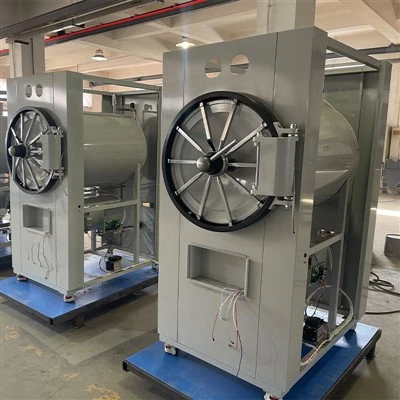
First, let’s start with the basics: a standard spray dryer works by pumping a liquid feed (like a slurry, solution, or emulsion) through a nozzle or spinning disc, breaking it into tiny droplets, then blasting those droplets with hot air. The air evaporates the water (or solvent) super fast, and you’re left with fine, dry powder. That works great for most stuff, but not for sensitive materials. Let’s say you’re drying something that’s flammable – like ethanol-based inks, essential oils, or even some specialty polymers. Hot air mixed with those solvents? Total fire hazard. Or what if your material oxidizes easily – like vitamins, herbal extracts, or food-grade fats? Exposure to oxygen in regular air will ruin the quality, turn it rancid, or even break down active ingredients before you can package it. That’s where nitrogen spray dryers come in.
Instead of using regular air, a nitrogen spray dryer operates in an enclosed, oxygen-free atmosphere, using pure, dry nitrogen as the drying gas. No oxygen, no flammable solvent risks, no oxidation – that’s the big three benefits right there. Let’s dive into how that actually works, step by step, so it makes sense. The process starts with your feed material: let’s take herbal extracts as an example, a common client of mine. The extract (which is a mix of water, ethanol, and plant compounds) is loaded into a feed tank. Next, we pull oxygen out of the drying chamber, the cyclone (the part that separates powder from gas), and the gas recirculation loop using a vacuum system. Then, we inject pure nitrogen into that sealed space until the oxygen level drops below 10% – usually way lower, like 2% or less, depending on how sensitive your material is.
Once the atmosphere is safe, we pump the feed through an atomizer – either a pressure nozzle or a centrifugal disc, depending on the particle size you want. The droplets get blasted with heated nitrogen (usually between 50°C and 200°C, way cooler than some hot air setups for sensitive stuff). The nitrogen evaporates the solvent super quickly – same as hot air, but without the oxygen. The dry powder then gets separated from the nitrogen gas in the cyclone, collected in a bin, and the nitrogen gas is filtered, cooled, and recycled back into the system to cut down on cost and waste. That recycling part is huge – no need to constantly vent pure nitrogen, which would get pricey, so it’s efficient too.
Now, let’s talk about who actually needs a nitrogen spray dryer, because it’s not for every single job. I’ve had clients try to save money by using a standard air dryer and come back to me months later because their product was spoiling, or they had a near-miss with a solvent fire. Let’s list the key use cases:
-
Pharmaceuticals and nutraceuticals: Active pharmaceutical ingredients (APIs), vitamins, probiotics, and herbal supplements often oxidize or degrade in oxygen. For example, vitamin C powder is super reactive – expose it to air while drying, and it loses potency by 10-15% before it’s even packaged. Nitrogen spray drying locks in that active ingredient, so your final product has the exact label potency.
-
Food and specialty ingredients: Think of things like essential oils, edible fats, flavor extracts, or allergy-friendly proteins. Flavors like vanilla or citrus oil are volatile – hot air would blow off the scent molecules, and air would make them go rancid. Nitrogen keeps the flavor intact and extends shelf life. We also work with plant-based protein powders that oxidize easily, leading to a bitter aftertaste – nitrogen drying fixes that.
-
Chemical and polymer manufacturing: Flammable solvents like ethanol, acetone, or hexane are everywhere in chemical processes. A standard hot air dryer with a solvent-air mix can ignite if there’s a spark from the motor or static electricity. Nitrogen is inert, so no fire risk – even if you’re working with solvents that catch fire at super low temps, you’re safe. Specialty polymers like PEEK or certain latexes also don’t play well with oxygen, so nitrogen drying keeps their structural properties intact.
-
Biotech and lab applications: Researchers drying delicate cell cultures, enzymes, or recombinant proteins rely on nitrogen spray dryers too. They need to preserve biological activity, and oxygen would denature those proteins. It’s also compact enough for lab use, though most of our sales are for larger industrial setups.
Now, let’s address a common misconception: a lot of people think nitrogen spray dryers are way more expensive than standard ones. Upfront, yeah, they cost a bit more – you have to add the nitrogen generation system, sealed chambers, and safety controls. But when you factor in the cost of ruined batches, safety hazards, and wasted product, it actually pays for itself fast. I had a small flavor company client last year who was using a hot air dryer and losing 20% of their essential oil powder to oxidation and spoilage. They bought a mid-sized nitrogen spray dryer from us, and within 6 months, they’d recouped the extra cost because they weren’t throwing out $12k worth of product every quarter. Also, nitrogen generators have gotten way cheaper in the last 5 years – now you can get a system that produces pure nitrogen on-site, so you don’t have to buy expensive cylinders delivered every month. That’s a big game changer for small to medium businesses.
Another thing I get asked: can you convert a standard spray dryer to nitrogen? In some cases, yeah, but it’s not always worth it. If you have a super basic small lab dryer, you can add a nitrogen recirculation kit, but for industrial setups, it’s usually better to get a purpose-built one. Purpose-built nitrogen spray dryers are designed with safety in mind – things like oxygen sensors that automatically shut down the heating system if oxygen levels spike, fire suppression systems, and sealed gaskets to prevent leaks. I’ve seen people try to rig a standard dryer and end up with a small fire that destroyed half their equipment – not worth the risk.
Let me also mention the downsides, because I’m not here to sell you something you don’t need. Nitrogen spray dryers use more energy than standard ones? Wait, no – actually, the recycling system makes them pretty efficient, but the heating is a bit different. Also, you can’t use them for materials that don’t have a solvent to evaporate – wait, no, they can, but their main use is for liquid feeds. And if you’re drying something that’s totally non-flammable and doesn’t oxidize, like table salt or simple sugar, a standard dryer will work just fine, and you don’t need the extra cost. It’s all about matching the tech to your product.
So, when should you reach out to learn more? If you’re dealing with sensitive materials, flammable solvents, or losing product to oxidation or spoilage, a nitrogen spray dryer is probably the solution you’ve been missing. We’ve customized setups for everything from 10kg/day lab units to 500kg/day industrial lines, so no matter how big your operation is, we can build something that fits your needs and budget.
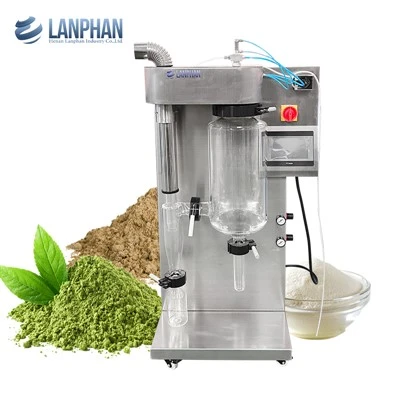
If you’re tired of losing product, dealing with safety scares, or getting inconsistent quality from your current spray dryer, hit us up to chat through your requirements. We’ll walk you through the process, answer all your questions, and even give you a free sample drying test if you want to see how nitrogen drying works for your specific feed. Don’t guess – let’s figure out the right solution for your business.
Lab Spray Dryer References:
- Chemical Engineering Progress, "Inert Atmosphere Spray Drying for Sensitive Products", 2021
- Journal of Food Engineering, "Oxidation Prevention in Spray-Dried Essential Oils Using Nitrogen Atmospheres", 2019
- Pharmaceutical Engineering, "Safety and Efficiency of Nitrogen Spray Drying for API Manufacturing", 2022
- National Fire Protection Association, "Flammable Solvent Drying Safety Standards", 2020
Henan Lanphan Industry Co., Ltd.
As one of the most professional spray dryer suppliers in China, we have world-leading production equipment and strong manufacturing capabilities. Please rest assured to wholesale advanced spray dryer for sale here from our factory. For price consultation, contact us.
Address: Room 801, East Tower, Xiyuan Square, Zhongyuan District, Zhengzhou City, Henan Province
E-mail: lanphanindustry@lanphan.com
WebSite: https://www.lanphan-industry.com/
