Hey there! Let’s cut to the chase—if you’re here Googling whether you can solder PPR fittings, I get it. When I’m on the sales floor at our PPR fittings spot, this is like the third question customers ask (after “How many do I need?” and “Will this fit my pipe?”). First off, let’s get one thing straight: PPR stands for Polypropylene Random Copolymer, right? It’s a type of plastic, not metal—so if you’re thinking of grabbing a traditional soldering iron you use for copper pipes, stop. That’s a rookie mistake I’ve seen so many DIYers (and even some new plumbers) mess up. PPR Fittings
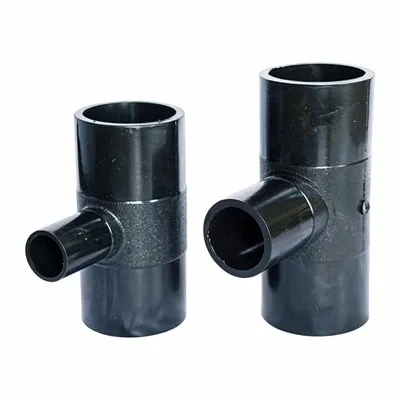
Wait, let’s back that up. Traditional soldering is for metal pipes like copper or brass. You heat the metal fitting with a soldering iron, melt a lead-based (or now lead-free) solder into the joint, and that’s how you seal it. PPR doesn’t work that way at all. PPR is thermoplastic, which means it melts when you heat it up and hardens again when it cools—no metal solder needed here. So the “solder” people are referring to when they ask about PPR is totally different: it’s called heat fusion welding, and that’s the actual method to join PPR fittings to pipes.
I know why this confusion happens, too. A lot of new builders or homeowners only ever worked with copper before. They see “soldering” and assume it’s the same process. But here’s the thing: PPR is way more reliable for cold and hot water lines, especially if you’re in a place with fluctuating temperatures. It’s corrosion-resistant, lightweight, and way easier to cut than copper (no torch, no messy flux). But the key part is getting the joining method right—because if you try to use a metal soldering iron on PPR, you’ll either burn through the pipe, leave a lumpy, weak joint that’ll leak in six months, or just nothing at all.
Let’s break down how you actually “join” PPR the right way, since that’s what people mean when they ask about soldering our PPR fittings. You need a heat fusion tool—those are handheld machines with different size tips that match your PPR pipe and fitting sizes (most of us carry these as standard tools, or you can rent them super cheap at hardware stores). The steps are simple, but you can’t rush them: first, cut your PPR pipe straight with a pipe cutter (don’t use a hacksaw—you’ll get jagged edges that mess up the seal). Then, clean both the end of the pipe and the inside of the fitting with a dry cloth (no water, no oil—any moisture will make the joint weak). Next, slide the pipe and the fitting onto the matching tips of the heat fusion tool, and heat them for exactly the right amount of time—usually like 5 to 15 seconds, depending on the pipe size. Too short, and they won’t melt enough to bond; too long, and you’ll overheat the plastic, which can make it brittle. After heating, pull both the pipe and fitting off the tips immediately, twist them together a quarter turn (that’s important—no just shoving them straight on, the twist helps them bond evenly), and hold them for 10 to 15 seconds while it cools. That’s it. No solder, no flux, no metal. That’s the real “joining” method for PPR.
Now, let’s talk about why some people still mix this up. A few years back, there was a weird trend where someone tried to use a soldering iron to melt PPR directly on the pipe, and it went viral on TikTok (don’t get me started on viral plumbing fails). That video got 10 million views, so now everyone thinks soldering PPR is a thing. Spoiler: that method doesn’t work. The joint is porous, leaks within a few weeks, and can even be a health hazard for drinking water because burnt plastic can leach chemicals. Our PPR fittings are tested to meet international standards, and we explicitly warn against metal soldering because it ruins the structural integrity of the joint.
Wait, let’s address the elephant in the room: can you ever use solder with PPR? Only if you’re doing some weird, non-water line job—like a small craft project or a temporary repair on a PVC pipe (but even that’s not recommended). For actual plumbing, electrical, or structural jobs? No. PPR is designed for heat fusion, so that’s the only reliable way. We’ve had customers come back with leaky joints because they tried to solder PPR, and when we look at the fittings, half the plastic is charred from a soldering iron. It’s a waste of money and time, and they end up having to replace everything anyway.
Here’s a pro tip from us, since we’re PPR fittings suppliers who work with plumbers and DIYers every day: if you’re a DIYer, don’t skimp on the heat fusion tool. The cheap ones (under $50) work fine for small jobs, but if you’re doing a whole house repipe, get a mid-range one that has a temperature control. And make sure you buy our fittings that match your pipe size—we label every fitting with the exact pipe diameter, so you don’t end up with a 20mm fitting for a 25mm pipe, which is another mistake we see all the time.
Also, let’s talk about common myths. Some people say “PPR joints are not as strong as soldered copper joints.” That’s old info. Modern PPR heat fusion joints are actually stronger than copper solder joints when installed correctly. Because the joint is one solid piece of plastic—no separate metal and plastic parts that can separate over time from temperature changes. Copper can expand and contract, leading to leaks, but PPR does the same as copper, so it moves with the line, not against it. We’ve had commercial buildings that used our PPR fittings for 10 years with zero leaks, which is better than a lot of copper jobs we’ve seen.
Another thing: if you’re working with potable water (drinking water), our PPR fittings are NSF-certified, so they’re safe. Soldering PPR with a metal iron isn’t just bad for the joint—it can release harmful chemicals into the water, which is why we strongly advise against that method. Always go with the heat fusion process, and use our correct fittings and tools.
Now, if you’re still unsure, here’s what to do: if you’re planning a project, send us a message, and we can walk you through the right steps. We don’t just sell PPR fittings—we have plumbers on our team who can give you free advice, tell you how many fittings you need, and make sure you get the right size for your pipe. No hard sell, just real info because we know how frustrating it is to mess up a plumbing job and have to call someone out at the last minute.
Wait, let’s recap the key points so you don’t forget:
- No, you can’t solder PPR fittings with a traditional metal soldering iron. That’s not how thermoplastic works, and it leads to leaks.
- The correct method is heat fusion welding—no solder, no flux, just a specialized tool that melts the plastic to bond the pipe and fitting.
- Our PPR fittings are designed for this method, so follow the steps we outlined to get a strong, leak-proof joint.
- If you need help picking the right fittings or tools, just reach out to us for a chat. We’re here to make your project easier, not to make a quick buck.
I get that switching from copper to PPR can feel overwhelming at first. We’ve had customers come in nervous because they’ve only ever worked with copper pipes. But once you do a heat fusion joint, you’ll see how easy it is. It’s way less messy, no torch fumes, no flux to clean off, and you know the joint will hold. The biggest mistake is trying to force a method that’s made for metal onto a plastic material.
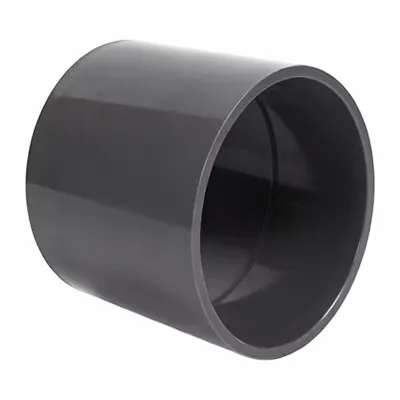
At the end of the day, if you’re asking “Can I solder PPR fittings?” the real answer is: not if you want a reliable, long-lasting joint. Stick to heat fusion, use quality PPR fittings from a supplier that knows their stuff (that’s us), and you’ll have no issues. If you’re ready to order or just want to ask a question about your project, don’t hesitate to reach out to our team to chat procurement details. We’ll make sure you get exactly what you need, no runaround.
PPR Fittings References:
- Plastic Pipe and Fittings Association. (2021). Heat Fusion Welding for Thermoplastic Piping Systems.
- NSF International. (2022). Standards for PPR Fittings Used in Potable Water Applications.
- American Society of Plumbing Engineers. (2020). Guide to Thermoplastic Piping Installation.
Qingdao Polyfusion Machinery Co., Ltd.
As one of the most professional PPR fittings manufacturers and suppliers in China, we have world-leading production equipment and strong manufacturing capabilities. Please feel free to buy bulk high quality PPR fittings from our factory.
Address: Chengyang Industry Zone, Chengyang, Qingdao, Shandong, China
E-mail: export01@qdpolyfusion.com
WebSite: https://www.polyfusionfittings.com/
