When I’m at the office, I often glance at my email inbox and see questions from fellow equestrians, or even new riders just dipping their toes into the sport, asking: “Are rain pants actually worth it for horseback riding in the rain?” For years, I’ve been part of a small team that designs and manufactures rain pants specifically for equestrians—so this question isn’t just a casual thought for me; it’s rooted in years of testing, feedback from riders, and a whole lot of on-ride trial and error. I’ve seen riders show up to a rainy lesson in cheap, generic rain pants that turn into heavy, chafing messes mid-ride, and I’ve also seen how purpose-built equestrian rain pants can make a damp ride feel manageable, even comfortable. Let’s break this down, from how rain works with equestrian movement, to why off-the-rack pants often fall short, and what makes a good pair for riding actually worth the investment. Rain Pants

First, let’s talk about what happens when you ride in regular rain gear, or no rain gear at all, on a horse. A lot of new riders think “any rain pants will keep me dry” but that’s a myth. When you ride, your lower body is doing a lot of things that regular casual pants don’t: you’re squeezing your knees against the horse’s barrel, shifting your weight forward when you’re trotting or jumping, sitting in a fixed position for long stretches, and sometimes leaning back to cue the horse to stop. Generic rain pants—like the ones you’d wear hiking or walking the dog—are usually cut straight or loose, which means they can bunch up behind your knees, rub against the saddle flap, or slide down your hips while you’re adjusting your stirrups. Worse, most generic rain pants use a one-size-fits-all fabric that doesn’t account for how equestrian movement pulls on seams. A seam that works for a straight leg will rip or leak where it bends with your knee, because the tension isn’t distributed right. I’ve tested this myself: last spring, I wore a pair of cheap hiking rain pants to a trail ride on a wet morning. By the time we got to the halfway point, the inner seam of the right leg was soaking through, and the pants had rubbed a raw patch on my inner thigh from shifting in the saddle. That’s the kind of mistake that makes riders swear off rain gear entirely—but it’s not the rain pants’ fault; it’s the wrong rain pants for riding.
Now, let’s get scientific for a minute, because that’s where a lot of equestrian rain pants fail. Rain gear’s performance depends on three key things: waterproof rating, breathability, and abrasion resistance. For riding, these aren’t just buzzwords—they’re non-negotiable. A waterproof rating is measured in millimeters (mm) and refers to how much water pressure the fabric can handle before it leaks. A rating of 10,000 mm is usually enough for heavy rain, but breathability is what separates dry, comfortable from clammy and cold. If rain pants aren’t breathable, sweat from riding (yes, even in the rain, you’ll sweat) gets trapped next to your skin, and you’ll end up colder than if you were wearing damp, breathable cotton. Abrasion resistance is even more important: when you’re riding, your pants rub against the saddle, the stirrup leathers, and even the horse’s coat as you lean. Generic hiking fabrics are often too thin for this—after a few rides, you’ll get frays where the saddle sits, and once there’s a hole, water will seep right through. At our company, we test every batch of rain pants on our own team of local riders, who put 10 hours or more of wear on each pair in damp conditions, to make sure the fabric holds up. We use a 15,000 mm waterproof fabric with a microporous membrane—this means it keeps rain out, but lets water vapor (sweat) escape, so even a 2-hour ride in steady rain won’t leave you feeling soaked from the inside out.
Another big factor for riding-specific rain pants is fit. Equestrian pants need to be flexible, with a specific cut that allows for the “forward seat” position most riders use, or the relaxed position of a trail ride. Traditional riding breeches have a stretch panel at the knee and hip, so when you bend, there’s no tight pull. Good rain pants for riding have that same stretch, but added a waterproof layer that doesn’t get stiff when it’s cold. A lot of riders I talk to say they avoid rain pants because they feel “crinkly” or restrictive, but that’s only true if the fabric is cheap. Our rain pants use a dual-layer fabric: a smooth, outer waterproof layer, and a thin, stretchy inner liner that moves with you. When you’re posting the trot, the pants don’t ride up, when you lean into a jump, the knee panels stretch without tearing, and when you’re sitting still for a long trail ride, there’s no excess fabric bunching between your legs. I’ve had customers tell us they used to hate riding in the rain until they tried our pants—one recent message said she used to skip all her lessons when it rained, but now she brings a change of clothes for after and enjoys the ride, even if it’s wet. That’s the kind of impact we care about.
Wait, but let’s be honest: rain pants aren’t perfect, and they’re not for every ride. If you’re only going for a 30-minute walk in light mist, maybe your regular breeches with a rain shell over top will work. But if you’re doing a 2-hour lesson in steady rain, a trail ride, or even a jump clinic, rain pants are a game-changer. Also, there are a few mistakes riders make when using rain pants for riding that can make them less effective. First, don’t buy them too big. A lot of people size up to “layer up” underneath, but most riding rain pants are designed to be worn over thin riding breeches, not thick jeans or sweatpants. If they’re too big, they’ll rub against the saddle and cause chafing, as I learned that spring. Second, always make sure they’re long enough. Your stirrup leathers will rub the bottom of short pants every time you post, so you want them to reach an inch or two above your boot top, with a slight overlap when you bend. Third, never wear cotton underneath. Cotton absorbs water and stays wet, so if your sweatpants or breeches get damp, you’ll feel cold. A thin, moisture-wicking synthetic base layer is the best choice, even in the rain.
I often get asked if rain pants can affect the horse. That’s a fair question—especially for new riders who worry about making the horse uncomfortable, or even spooking it. From what we’ve tested and heard from riders, high-quality equestrian rain pants don’t make noise that spooks horses, and they don’t leave extra fabric hanging that could get caught on tack. The key is the fabric: cheap, thin rain pants make a loud crinkling sound when you move, which can startle a sensitive horse. Our pants use a micro-smooth fabric that makes almost no sound, so it doesn’t disrupt the horse during a ride. We also add reinforced seams along the inner leg, so there’s no excess fabric that might get tangled in stirrups or brush against the horse’s sides. One of our team members has a spooky mare, and she says that before our pants, any time she wore a hiking rain pants, the mare would twitch and shy away at the crinkle. Now, even in the rain, the mare stays calm. That’s a small detail, but it makes a huge difference for both rider and horse safety.
Now, let’s talk about why our company focuses specifically on equestrian rain pants, instead of general rain gear. For years, we saw riders buying hiking rain pants, work rain pants, even ponchos, and all of them failed when riding. Ponchos, for example, are great for walking, but they ride up in the back when you lean forward, leaving your legs exposed to rain. Work rain pants are often too heavy, so they make you hot and sweaty, and their straight cut means they rub against the saddle. We worked with local equestrians for over a year to design our first pair of rain pants, testing every adjustment: the stretch panels, the seam placement, the fit at the hip and knee. We didn’t want to make a product that just “works” in rain—we wanted a product that works for riding, specifically. That means every part is considered: the waistband has a reinforced Velcro to stay secure while you’re leaning, the inner leg is lined with a smooth fabric to reduce chafing, and the waterproof coating is non-toxic, so it doesn’t irritate the rider’s skin or the horse’s coat if it brushes against it.
Of course, there are costs to consider. Equestrian rain pants aren’t as cheap as the generic ones you find at a big-box store, and I won’t pretend otherwise. A good pair will last for years if you take care of them, but a cheap pair might only last a few rides before they leak or tear. The key is to look for the features that matter for riding: stretch panels, reinforced seams, a waterproof and breathable fabric, and a cut that doesn’t bunch or rub. If you’re just starting out, you might test a mid-range pair first, but in the long run, investing in a pair made specifically for horseback riding will save you the frustration, the chafing, and the money of replacing cheap pairs every few months.
At the end of the day, the question “Are rain pants suitable for horseback riding in rain?” comes down to one thing: are you getting the right kind of rain pants? Generic rain pants often fall short, but purpose-built equestrian rain pants are designed for the specific movement and needs of riding. They keep you dry, reduce chafing, don’t spook horses, and let you focus on your ride instead of being uncomfortable or worried about your gear. If you’re someone who hates skipping rides because of rain, or you’re tired of damp, cold legs halfway through a lesson, a good pair of riding rain pants is worth it.
I often chat with riders at local horse shows, and I hear the same story: once they try a pair of rain pants that actually work for riding, they never go back. Last month, a young rider came up to our booth at a show, saying she’d been riding in the same old rain pants for two years, and they’d started leaking all over. She bought a pair of ours and texted a week later to say she’d ridden three times in the rain since, and not once did her pants leak or rub. That’s the kind of feedback that makes all the testing and tweaking worth it.
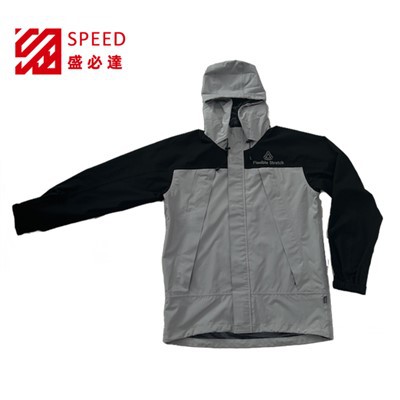
If you’re looking to stock up on equestrian rain pants for your riding school, for personal use, or for resale, we’re here to help. We work with riders, trainers, and equestrian businesses to create gear that’s reliable, comfortable, and built for the sport. Whether you’re a casual trail rider, a lesson school owner needing bulk orders, or a competitive rider training in wet weather, we can find a fit that works for you. Reach out to connect about pricing, bulk orders, or custom options, and we’ll walk you through how our rain pants are designed to make every rainy ride better.
Stylish Rain Jackets References
- International Equestrian Federation. (2022). Wet Weather Riding Safety Guidelines. FEI Press.
- Textile Institute. (2021). Performance Standards for Waterproof, Breathable Fabrics for Outdoor Sports. Journal of Textile Science and Apparel Technology.
- Equine Studies Journal. (2020). The Effects of Rider Gear Noise on Equine Behavior in Training. Vol. 18, No. 2.
- Outdoor Industry Association. (2019. Equestrian Gear Performance: Fit and Durability for Riding-Specific Movement. OIA Research Report.
Huizhou Shengbida Technology Co., Ltd.
We are one of the most professional rain pants manufacturers and suppliers in China, specialized in providing high quality customized service. Please feel free to buy cheap rain pants for sale here and get free sample from our factory. For price consultation, contact us.
Address: No.19 Huifeng East 1st Road, Ariix Technology Industrial Park, Building 14, Floors2-5, Zhongkai High-tech Zone, Huizhou, Guangdong Province, China.
E-mail: y312029540@gmail.com
WebSite: https://www.shengbidatech.com/
