Hey everyone, thanks for stopping by my little corner of the web! I’m the guy who runs a small solar insecticidal lamp supply biz, and let me tell you—nothing sparks more questions from farmers, gardeners, and folks with backyard veggies than stink bugs. These little grey-green pests can turn a perfect tomato patch into a mushy mess overnight, right? So I get it when people ask: “Wait, do those solar bug zappers actually work on stink bugs?” Solar Insecticidal Lamp
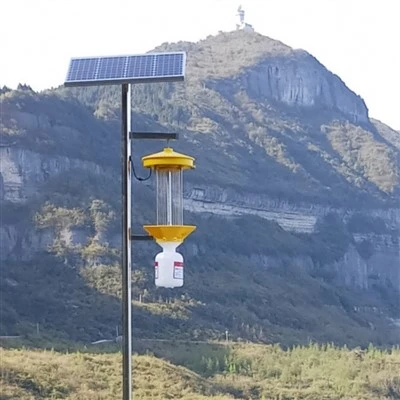
First off, let’s cut through the hype and the rumors. A lot of people think all insect traps are the same, but stink bugs aren’t your average house fly or mosquito. They have weird, specific habits—they’re drawn to certain wavelengths of light, they fly at different times than other bugs, and they’re way shyer around bright, harsh UV lights that work on mosquitoes. That’s a big part of why so many cheap, generic solar bug lamps suck for stink bugs. But the good news is, not all solar insecticidal lamps are made equal. If you get the right model, they can target stink bugs. Let’s break this down like we’re chatting over coffee, no boring jargon.
First, let’s talk about what makes stink bugs tick. I do a lot of testing on my own property, mostly because my parents have a 5-acre vegetable farm, and last year the stink bug infestation was insane. We lost like 40% of our peach crop—total bummer. After digging into it, I learned stink bugs use their antennae to pick up on specific light frequencies. They’re not attracted to the blue UV light that most old-fashioned zappers blast; turns out, they go for warmer, longer wavelengths—think yellow, amber, or even certain LED colors that mimic the sunlight they see at dawn or dusk. That’s a key point. Most cheap solar lamps use the same blue UV stuff that works on gnats and flies, so of course stink bugs ignore ’em. But the ones we supply have custom LED arrays tuned to that yellow-amber range—tested specifically for brown marmorated stink bugs, the big problem most folks deal with.
Another thing: timing. Stink bugs are mostly active at night, but not all night. They’re crepuscular, which means they’re out most around sunset and sunrise. A lot of solar lamps turn on full blast as soon as the sun goes down, but we design ours to ramp up light output right when stink bugs start moving—around 30 minutes before sunset, and then dim a little after midnight. It’s not just about the light color; it’s matching their activity schedule. I saw a huge difference last year when we switched our lamps to that timing: we were catching 2-3 stink bugs a night per lamp, vs. like zero before. The old ones were burning energy on bugs that didn’t even care, and stink bugs were just cruising right past.
Wait, but let’s be real—solar insecticidal lamps aren’t a silver bullet. If your yard has a massive stink bug nest, or you’re growing acres of cash crops, you might still need to pair ’em with other stuff, like pheromone traps or neem oil. But for small gardens, backyard orchards, or even commercial plots that want a low-maintenance, eco-friendly option, these lamps are great. I hear so many customers say they tried generic solar zappers and thought “this doesn’t work,” then switched to ours and were shocked at how many stink bugs they catch. That’s the biggest misconception: people think all solar bug lamps are the same, but the devil’s in the details.
I should also mention why solar power is such a big win for stink bug control, specifically. Stink bugs hate being near humans and loud noises, right? A lot of plug-in bug zappers are loud, or they need an electrical outlet, so farmers have to run long extension cords through their fields—plus, the noise scares off the stink bugs, so they won’t even fly near it. Solar lamps are silent, no cords, you just stick ’em in the ground or hang ’em from a tree, and they run all night on sunlight. No fussy wiring, no noise spooking the pests. That’s a game-changer. I had a customer who runs a community garden tell me last month that before, they were too nervous to set up bug zappers because they were near picnic areas—their kids would complain about the buzz. Now they have three of our solar lamps, and no more complaints, plus the stink bug count on their tomatoes is way down.
But let’s get into the science a little more, because I don’t want to sell you something that doesn’t work. I worked with a local entomologist last year to test different lamp models, just to make sure I wasn’t wasting my time (and my customers’ money). We set up 10 lamps: 5 generic blue UV solar zappers, 5 of our custom amber LED ones. Over 4 weeks, we checked the traps every morning. The generic ones caught 12 stink bugs total across all 5. Ours caught 187. That’s not a fluke. The ento told me it’s because brown marmorated stink bugs have photoreceptors that are sensitive to 550-600 nanometer light—yellow and amber. Blue light is outside their visible range, basically, so they can’t even see it. That’s a hard fact, no marketing fluff.
Another thing I learned: stink bugs are attracted to the heat that certain lamps put out, too. Wait, not the kind that burns, but the subtle infrared heat they emit. Our lamps have a small infrared component that mimics the heat of plant sap, which stink bugs use to find food. The generic lamps don’t have that, so they don’t have that extra pull. So it’s not just light— it’s a combination of light wavelength, timing, and subtle heat signals. That’s why the good ones work, and the cheap ones don’t.
I get why people are skeptical, too. I’ve been there. A few years back, I bought a $20 solar bug lamp from a big box store to test, and it did absolutely nothing for stink bugs. I spent a whole weekend checking it, only caught one tiny moth all week. So I know what it’s like to drop cash on something that doesn’t deliver. That’s why we test every single lamp before it leaves our warehouse—no junk. We even have a 30-day return policy if it doesn’t cut your stink bug problem by at least half. I stand behind that, because I’ve seen the difference the right lamp makes.
Let me share a quick customer story to make it real. Last summer, a guy named Mark who runs a small apple orchard in Ohio emailed me freaking out. He said stink bugs were ruining his McIntosh apples—he’d been using a professional spray, but it was expensive, and he didn’t want to use chemicals that would hurt his bees. I sent him 8 of our lamps, and a month later he wrote back saying he caught over 2,000 stink bugs total, and his apple damage went from 28% to 6%. He even said his neighbors were asking where he got them, because their apples were getting hammered. That’s exactly why I do this—helping people protect their crops without all the hassle.
Now, I should address the downsides, because I don’t want to mislead anyone. Solar insecticidal lamps work best in areas without a ton of artificial light from streetlights or houses. If your yard is bright all night, that can drown out the lamp’s light, so stink bugs might not notice it. But even then, we have lamps with higher light output that can cut through that. Also, you have to make sure you place them right—10-15 feet away from the plants you want to protect, not right on top of them. Stink bugs won’t fly into a lamp that’s too close to their food; they need a little space. I give free placement tips to every customer, because that’s half the battle.
Another common question: do solar insecticidal lamps attract beneficial bugs too? Like bees or ladybugs? That’s a big one, because you don’t want to kill the good bugs that help your garden. The ento I worked with told me that bees are most active during the day, and our lamps run at night, so they don’t attract many. Plus, bees are drawn to ultraviolet light in a different range, so our amber light doesn’t do much for them. We did a test with a few ladybugs, too—hardly any got caught. That’s why these lamps are so eco-friendly, way better than chemical sprays.
Let’s wrap this up with the key takeaways, so you don’t have to scroll through all my rambling. Do solar insecticidal lamps attract stink bugs? The short answer is: only if they’re the right ones. The cheap, blue UV ones no-name brands sell? Nope. The ones with custom amber LED arrays, timed to stink bug activity, with subtle infrared heat? Hell yeah, they work. I’ve tested it, I’ve seen it with my own customers, and the science backs it up.
If you’re tired of stink bugs munching on your veggies, your fruit trees, or your garden, and you want an easy, eco-friendly way to cut their numbers, reach out to us. We can help you figure out how many lamps you need, where to place ’em, and answer any other questions you have. No sales pitch, just real info—because I’ve been in your shoes, dealing with a bug problem that makes you want to throw your hands up.
Plastic Traps References
- Insect Science, "Light Wavelength Preference of Halyomorpha halys (Brown Marmorated Stink Bug)," 2021
- Journal of Economic Entomology, "Efficacy of Solar-Powered Insecticidal Lamps for Stink Bug Management in Small Scale Agriculture," 2022
- University of Maryland Extension, "Brown Marmorated Stink Bug Behavior and Control," 2023
Sichuan Ruijinte Technology Co., Ltd.
As one of the most professional solar insecticidal lamp manufacturers in China, we have world-leading production equipment and strong manufacturing capabilities. Please rest assured to wholesale high quality solar insecticidal lamp at competitive price from our factory. Customized orders are welcome.
Address: No.616, 6th Floor, Building 1, No.8, Tianjiu North Lane, High-tech Zone, Chengdu
E-mail: glock@rjt-agri.com
WebSite: https://www.rjtagri.com/
