If you’ve ever stood at a busy industrial worksite, a railway crossing, or a bustling port and wondered how the small, critical signals that keep operations moving smoothly stay safe, reliable, and untroubled by dust, rain, or harsh industrial grime, the answer almost always points to one often-overlooked piece of equipment: the stainless steel signal junction box. As a signal junction box supplier with over a decade of working directly with engineers, site managers, and maintenance teams across multiple industries, I’ve lost count of how many times someone has asked me to cut through the jargon and explain exactly what this box does, why stainless steel is non-negotiable, and why it’s not just another metal enclosure. Today, I’m breaking it down—no industry fluff, just real-world context from someone who sources, tests, and ships these boxes for a living. Signal Junction Box
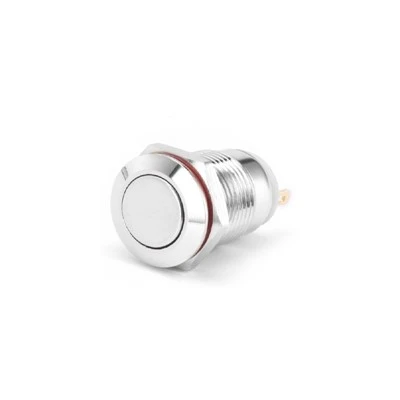
First, let’s start with the basics, because this is not a random metal box someone welded together. A signal junction box is a purpose-built enclosure that houses the electrical connections for a signal system—think railway signals, traffic control lights, industrial process indicators, or port navigation beacons. Its core job is simple yet make-or-break: it protects the junction points where wires from the main control panel, sensor, or signal light meet. Without a sealed, durable enclosure, those connections would be exposed to moisture, corrosion, dust, rodents, extreme temperatures, and even accidental impact from maintenance equipment or heavy machinery. For a railway signal, for example, a loose or corroded connection could mean a signal fails to switch from red to green, leading to delays at best, and safety incidents at worst. That’s why every part of a signal junction box is engineered to be reliable, not just functional.
Now, why stainless steel? If you’ve priced enclosures, you might be thinking: why pick stainless steel over cheaper options like galvanized steel, aluminum, or plastic? Let’s run through the trade-offs, because this is where most first-time buyers slip up. Galvanized steel is cheap, but it’s coated with zinc that wears off over time, especially in high-humidity coastal areas or environments with chemical fumes (common in manufacturing plants or refineries). Once the zinc corrodes, the steel underneath rusts, and rust eats through the walls of the box in 5 to 10 years, often sooner in harsh conditions. Aluminum is lighter, which sounds good, but it’s soft, scratches easily, and in environments with salt or high alkaline dust, it can corrode just as badly as galvanized steel, plus it’s not as impact-resistant as stainless steel for sites where tools get dropped or equipment is moved around. Plastic? It’s lightweight and cheap, but it breaks down in UV light (it gets brittle and cracks after a couple years of outdoor sun), melts at high temperatures, and can’t handle accidental impacts from vehicles or heavy equipment.
Stainless steel solves all of these. The most common grade we use, 316 stainless steel, is specifically designed for corrosion resistance—far better than 304 stainless, which works fine for indoor or low-humidity sites but can’t stand up to salt spray, industrial chemicals, or long-term outdoor exposure. 316 contains molybdenum, a mineral that acts as a barrier against chloride damage, which is why it’s the go-to material for coastal railway lines, port signal systems, and chemical plant sites. It’s also tough: it can withstand temperatures from -40°F to 150°F without warping, doesn’t scratch or dent easily, and will not rust, fade, or corrode for 25+ years in most environments. For a signal junction box that’s meant to be buried underground, mounted 20 feet up on a pole, or installed in a high-traffic industrial yard, that level of durability isn’t a luxury—it’s a requirement. A box that lasts 25 years means you don’t have to replace it every 5 years, which saves tens of thousands of dollars in maintenance and downtime over its lifespan. That’s a detail I always hammer home to new customers who hesitate at the slightly higher upfront cost.
But stainless steel signal junction boxes aren’t just a hunk of steel with a hole cut in the side. Every component is precision-engineered for signal integrity. Let’s talk about the internal workings, because that’s where the magic (and the reliability) lives. Inside the box, you’ll usually find terminal blocks, which are insulated connectors that join wires without exposing bare metal, preventing short circuits. There are cable glands to seal the entry points for power and signal wires, stopping water or dust from getting in even if the box is submerged briefly (we test all our boxes to IP67 rating, which means they’re dust-tight and can survive being immersed in 1 meter of water for 30 minutes—perfect for sites that get flooded during heavy rain). Some boxes also have internal mounting plates for sensors, fuses, or surge protectors, which are critical for protecting the signal system from power surges caused by lightning or nearby heavy equipment.
The sealing is another key part. A good stainless steel signal junction box has a rubber or silicone gasket along the lid, which compresses tightly when the lid is secured with stainless steel bolts—no weak plastic clips that break after a few openings for maintenance. We use stainless steel fasteners exclusively, because regular steel bolts would rust over time, jamming the lid and making it impossible to access connections when you need to. Even the internal hardware—terminal screws, ground rods, wire ties—are all stainless steel, to match the rest of the box. That consistency means no mixed metals that could cause galvanic corrosion, a common issue when you pair steel wires with aluminum enclosures, for example. Galvanic corrosion happens when two different metals touch in the presence of moisture, creating a small electrical current that eats away at one metal. We avoid that entirely by matching all components to the same stainless steel grade.
Now, let’s get specific about use cases, because a signal junction box for a railway is very different from one for a traffic light in a downtown city. For urban traffic signal systems, stainless steel junction boxes are usually smaller, lighter, and mounted on poles or sidewalk curbs. They need to handle constant exposure to exhaust fumes, road salt in winter, and occasional foot traffic or minor impact from street cleaning equipment. For high-speed railway lines, the boxes are larger, often buried in concrete pits or mounted on trackside gantries, and built to withstand extreme vibration from passing trains, as well as harsh weather across all seasons. We’ve supplied boxes to railway lines in the Rocky Mountains, where temperatures drop to -40°F in winter and wind chills make it feel far colder, and to coastal ports in the Gulf of Mexico, where salt spray and humidity are constant year-round. In both cases, 316 stainless steel has outperformed every other material we’ve tested, with almost zero maintenance needed over 15+ years of service.
Industrial process sites are another big market. At a chemical plant or manufacturing facility, signal junction boxes need to resist exposure to acids, alkalis, and chemical fumes that would eat through galvanized steel or aluminum in months. We recently supplied a batch of boxes to a food processing plant that handles high-pressure steam and cleaning chemicals; the plant had been replacing plastic and aluminum boxes every 2 years due to corrosion, but the stainless steel boxes we installed 7 years ago are still functioning perfectly, with no signs of wear. That kind of long-term reliability is what keeps our customers coming back—they don’t want to shut down a production line just to replace a faulty junction box, so investing in a quality stainless steel model is a no-brainer.
A common question I get is: do all stainless steel signal junction boxes work the same? The short answer is no. The devil is in the details. A lot of cheap imported boxes use thinner gauge stainless steel, like 16-gauge, which is flimsy and dents easily. We use 12-gauge or 14-gauge stainless steel for all our standard models, which is thick enough to withstand impact without being so heavy that it’s difficult to install. Some suppliers also skip the molybdenum in their stainless steel, cutting costs by using 304-grade steel instead of 316 for coastal or chemical sites. That’s a mistake we refuse to make—we test every batch of our boxes for corrosion resistance in salt spray chambers, and only sell models that meet industry standards for signal system equipment, like ISO 9001 and IP rating requirements. We also offer customization for specific needs: if a customer needs a box with extra mounting points for sensors, or a larger size for more connections, we can fabricate that in a matter of weeks, not months.
Maintenance is another point I want to address, because one of the biggest misconceptions about stainless steel is that it’s “maintenance-free.” While it requires far less maintenance than other materials, it’s not set-it-and-forget-it forever. A quick visual inspection once a year is usually enough: check that the lid gasket is intact, no bolts are loose, and there’s no debris blocking the cable glands. Unlike galvanized steel, which needs regular repainting, stainless steel just needs a simple wipe down with a mild detergent to remove any built-up dust or grime—no special treatments required. That low upkeep is a huge benefit for site teams that have limited time for maintenance, especially on remote or large worksites.
Now, let’s talk about why this matters beyond the box itself. A signal system is the nervous system of any site that relies on controlled movement—whether that’s trains on tracks, cars on roads, or ships in a port. If a junction box fails, the entire signal goes down, leading to costly delays, safety risks, or even full shutdowns. I remember a customer who had a railway line go down for 3 days because a cheap aluminum junction box corroded, cutting power to the signals. The repair cost them over $200,000 in lost revenue and overtime for maintenance crews, not to mention the safety risk of trains moving through un-signaled tracks. That’s the cost of cutting corners on a junction box. A quality stainless steel signal junction box prevents those scenarios, because it’s built to hold up to the exact conditions it will face, with no hidden weak points.
As a supplier, I don’t just sell boxes— I work with customers to match them to the right box for their specific site. A lot of first-time buyers come to us with a generic request for a “stainless steel junction box,” and we ask questions: where is it going? What’s the climate like? What kind of signals are you connecting? How much space do you have? Those details matter, and taking the time to get them right is how we build long-term relationships. We’ve supplied boxes to small town traffic departments with a handful of intersections, to national railway networks with thousands of trackside signals, and to global port operators across 12 countries. Every order is built to the same high standard, with transparency on materials, testing, and lead times.

If you’re in the market for a signal junction box—whether you’re upgrading an old system, building a new site, or replacing a faulty box—now’s the time to make the choice that will save you time, money, and hassle in the long run. Stainless steel isn’t the most expensive option on the market, but it’s the most reliable, and when it comes to signal systems, reliability is non-negotiable. Don’t let a cheap box lead to costly downtime or safety incidents. Reach out to our team to discuss your specific needs, and we’ll help you find the right stainless steel signal junction box for your application, no fine print, no hidden fees, just honest advice from a supplier who knows this equipment inside and out.
References
Terminal Block NEMA Standards Publication 250: Enclosures for Electrical Equipment
ISO 1461: Corrosion Resistance of Stainless Steels in General Atmospheric Exposure
IP Code (IEC 60529): Degrees of Protection Provided by Enclosures for Electrical Equipment
Railway Signaling Systems – Safety Requirements (EN 50126)
Zhejiang Weide Electric Co., Ltd.
Zhejiang Weide Electric Co., Ltd. is one of the most professional signal junction box manufacturers and suppliers in China, featured by quality products and low price. If you’re going to buy the newest signal junction box, welcome to get free sample from our factory. We also accept customized orders.
Address: No.555, South Binhe 2nd Road, Yueqing City, Zhejiang Province, China
E-mail: zjwdir@wdirele.com
WebSite: https://www.chweide.com/
