If you’ve ever spent time troubleshooting a faulty electrical circuit or helping a friend understand how a building’s power system works, you’ve likely encountered a branch connector—even if you didn’t know its name. For 12 years, I’ve run a small, specialized branch connector supply business, and I can’t tell you how many times people have asked me, “Where do these things actually get used, anyway?” It’s a fair question, especially because most electrical components fly under the radar until they fail, which usually happens at the worst possible time: when a café’s espresso machine goes down at rush hour, or a hospital’s emergency lighting flickers during a power test. Branch Connectors
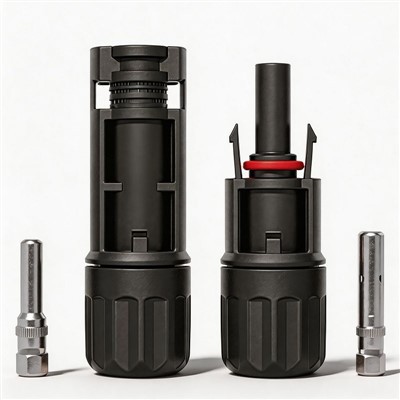
Let’s start with the most common, and most important, place branch connectors show up: residential electrical wiring. If you’ve ever had an electrician run new wiring for a home addition, or replace outdated outlets in a kitchen, they’re using branch connectors every step of the way. Unlike simple wire nuts—those small twisted plastic caps most DIYers grab for small repairs—professional-grade branch connectors are designed to handle longer wire runs, higher current loads, and the vibration that comes with being behind a wall or in an attic. For example, when a homeowner adds a new bedroom, the electrician will run a 12/2 NM wire from the main breaker panel to the new space. Instead of splicing individual strands together with wire nuts (which can come loose over time, especially as the building settles and shifts), they’ll use a branch connector that securely joins the main run to the branch circuit wire. This isn’t just a convenience: in older homes, improper splices are one of the leading causes of electrical fires, according to data from the U.S. Fire Administration. I supply a lot of these compact, UL-listed branch connectors to residential electricians, and the feedback I get is consistent: they cut installation time in half and eliminate the risk of loose connections that lead to failures.
Next, commercial and light industrial buildings. This is where branch connectors really shine, because commercial systems operate at much higher loads and under more constant stress than residential ones. Take office buildings, for instance. Every floor has lighting circuits, power for printers and kitchen equipment, and dedicated circuits for HVAC units. If one circuit goes out, you don’t want it to take down an entire floor’s power—and that’s exactly what branch connectors are designed to prevent. They create a secure, insulated junction point that allows individual branch circuits to connect to a main feeder line without compromising the integrity of either. I recently worked with a general contractor on a 10-story office building in downtown Austin. The electricians on the job needed to run 40 separate branch circuits from the main panel to each floor’s utility closet. Using standard wire nuts would have required hundreds of man-hours, and with a project deadline looming, they opted for my heavy-duty branch connectors, which are rated for up to 100 amps and can handle the constant vibration of building HVAC systems. By switching to these connectors, they finished the wiring two weeks ahead of schedule, and the building has had zero electrical issues in the year since it opened. Light industrial facilities, like small manufacturing plants and warehouses, rely on these connectors too. A warehouse might have dozens of overhead LED lights, power tools, and conveyor belts, all running on separate branch circuits. Branch connectors ensure that each circuit is isolated, so if a light burns out or a conveyor belt trips, only that circuit is affected, not the whole facility.
Then there’s the often-overlooked but critical sector: infrastructure and public works. Think traffic lights, street lighting, subway systems, and water treatment plants. These are places where reliability is non-negotiable. A traffic light that goes out can cause a major accident, and a subway system that loses power can strand hundreds of commuters. That’s why engineers designing these systems don’t cut corners on components like branch connectors. For street lighting, for example, each streetlight is a separate branch circuit connected to a main line running along the road. The connector used here has to be weatherproof, able to withstand extreme temperatures, rain, snow, and even road salt in cold climates. I supply a lot of these outdoor-rated, IP67-certified branch connectors to municipal governments in the Midwest, where winters bring freezing rain and heavy snow. Last year, a city in Ohio had an issue with its street lighting system that was using outdated splices that corroded after a few years. They switched to my corrosion-resistant branch connectors, and over the past two years, they’ve seen a 70% drop in lighting-related outages. For subway and train systems, branch connectors are used in the trackside signaling systems, which control when trains arrive and depart. A faulty connection here can lead to delays or even safety incidents, so these connectors have to be rated for use in underground, damp environments, and resist the electromagnetic interference that’s common in rail systems.
Another growing area is renewable energy installations, which I’ve seen explode in the past decade as more homeowners and businesses switch to solar panels and wind turbines. Solar panel arrays are made up of dozens of individual panels, each generating a small amount of electricity. To connect them to the inverter and the main power grid, you need a network of branch circuits, and branch connectors are the backbone of that network. Unlike standard electrical connectors, solar branch connectors are designed to handle DC power, which is what solar panels produce, and they have to be UV-resistant, since they’re often installed on rooftops or open ground where they’re exposed to sunlight 24/7. I supply a lot of these solar-specific branch connectors to installers across the Southwest, where solar adoption is highest. A common mistake new solar installers make is using standard electrical connectors for solar arrays, which can degrade over time due to UV exposure and fail within 3-5 years. My solar branch connectors are rated for 25+ years of outdoor use, and the installers I work with tell me they eliminate the need for costly repairs down the line. Wind turbines also use branch connectors to connect the turbine’s internal control systems to the grid, and these have to be built to handle the constant motion of the turbine blades and harsh outdoor conditions, including high winds and extreme cold.
I could go on about the niche uses, but there’s one more sector that’s worth mentioning: data centers. Data centers are the backbone of our digital world, hosting everything from social media platforms to bank records, and they require 24/7 power. Even a 10-minute outage can cost a data center thousands of dollars in lost revenue, so every component in their power system has to be reliable. Branch connectors are used extensively in the data center’s power distribution units (PDUs), which distribute power to hundreds of servers. In this environment, space is at a premium—data centers are packed with servers, so every component has to be compact. My small-form branch connectors are perfect here, because they deliver a secure connection in a tight space, and they’re designed to handle the high current loads that data centers need. I recently worked with a data center in northern Virginia that was expanding by 10,000 square feet. Their old connectors were taking up too much space in the PDU racks, and they were also prone to overheating, which is a major fire risk in a data center. My compact, low-resistance branch connectors solved both problems: they fit in the tight rack space, and their design reduces heat buildup, cutting their cooling costs by 12% in the first six months after installation.
I know this might sound like I’m bragging about my products, but the real point is that branch connectors are far more than just a “wire cap” or a small electrical part. They’re the unsung heroes of every electrical system, from a single-family home to a sprawling data center. They keep the lights on, the traffic flowing, and the power grids stable. Over the years, I’ve seen the industry evolve—from basic plastic connectors that only work in dry indoor spaces to heavy-duty, weatherproof, UV-resistant designs that can handle almost any environment. But one thing hasn’t changed: the demand for reliable, high-quality branch connectors, and the need for suppliers who understand the unique needs of each sector.
If you’re an electrician, a general contractor, a data center operator, a municipal engineer, or a renewable energy installer, you know how much depends on the components you choose. A faulty connector can cause delays, safety hazards, and costly repairs, so it pays to work with a supplier who knows their stuff. For 12 years, my team and I have specialized in providing branch connectors that are tailored to the exact needs of each project—whether it’s a small residential remodel or a large commercial build. We test every batch of our connectors to ensure they meet UL, NEC, and other industry standards, and we work closely with our clients to find the right solution, no matter how unique the project is.
If you’re looking for a reliable source of branch connectors for your next project, I’d be happy to talk through your needs and help you find the right product. Quality components don’t have to come at a premium, and we pride ourselves on offering competitive pricing, fast turnaround, and expert support for every customer. Don’t leave your project’s electrical connections to chance—reach out and let’s discuss how we can help.
Outdoor Battery Cabinet References
- U.S. Fire Administration. (2022). Electrical Fires in Residential Buildings: An Overview of Causes and Prevention Strategies.
- National Electrical Manufacturers Association. (2021). Standard for Branch Circuit Connectors for Commercial and Industrial Applications.
- International Association of Electrical Inspectors. (2023). Field Guide to Weatherproof Electrical Components for Outdoor Installations.
- Solar Energy Industries Association. (2022). Technical Standards for PV System Interconnection Components.
- Uptime Institute. (2021). Data Center Power Distribution Best Practices for High-Reliability Environments.
Tianjin Xilingke New Energy Technology Co., Ltd.
Address: Suite 2601, Tower B, Wanghai International, Haihe East Road, Hebei District, Tianjin, China.
E-mail: robin@sinelinkev.com
WebSite: https://www.sinelinkenergy.com/
