As a packaging solutions provider that works directly with home and personal care brands every day, I get asked a lot of the same question: what makes liquid product packaging actually work? Not just look good on a shelf, but keep formulas stable, cut down on waste, and make life easier for the person buying it. I’ve spent the last five years talking to small indie soap makers, big-name shampoo brands, and everyone in between, testing designs that don’t just check boxes, but solve real problems that come with liquid products. Today, I want to break down the solutions I’ve seen deliver results, why they matter, and what I tell every brand that comes to us looking for help. Home & Personal Care Packaging Solutions
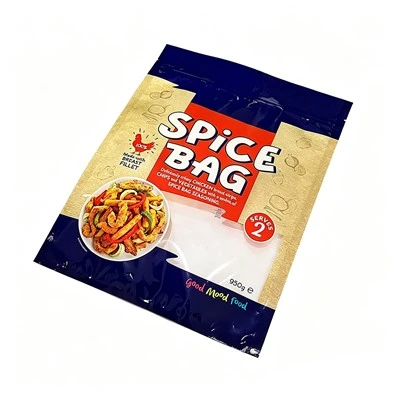
Let’s start with the biggest pain point for liquid home and personal care products: product integrity. Nothing turns a customer off faster than a bottle of body wash that’s separated into two goopy layers, or a hand sanitizer that’s less effective because light broke down the active ingredients. For aqueous (water-based) liquids like liquid hand soap, laundry detergent, and conditioner, UV light is a silent killer. Clear plastic bottles look sleek, but they do nothing to block those harmful rays. The go-to solution here for years has been HDPE plastic with a black or dark tint, but that’s changing. We’ve been testing colored HDPE that uses natural pigments instead of synthetic dyes—wait, no, scratch that, better to say: we now offer food-grade HDPE bottles with pigmentation that’s 100% derived from plant-based sources, which blocks 99% of UVA and UVB light without leaving a weird chemical aftertaste that can leach into formulas. For brands that want a premium, transparent look without the light risk, we also partner with a company that makes UV-stabilized PET. It’s clear, looks luxe on a vanity or laundry room shelf, and has additives that block light, keeping liquid active ingredients like salicylic acid, essential oils, and surfactants intact for up to two years past the manufacture date. That’s a big win for both brands (less product returns) and customers (they get the full effectiveness they paid for).
Next, dispensing—this is where so many brands drop the ball. A great liquid product can be ruined by a pump that clogs, a flip-top that leaks all over a gym bag, or a squeeze bottle that’s either too runny (product oozes out when you don’t want it) or too thick (you have to squeeze so hard you get it on your hands). For liquid hand soap, dish soap, and hair care products, the right pump makes all the difference. We’ve designed a custom metering pump that’s adjustable, so a brand can set it to dispense 1.5 mL for face wash, 3 mL for hand soap, and 5 mL for body lotion all with the same pump base. It has a spring made of 304 stainless steel, not the cheap plastic that breaks after 10 uses, and the nozzle is wide enough to keep thick liquid like body lotion from getting stuck, but narrow enough for thin liquids like eucalyptus hand sanitizer to come out clean. For products that need zero-waste or refills, our flip-top caps have a tamper-evident seal that doesn’t leave plastic tabs to throw away, and we add a small “vent” that prevents pressure build-up—no more flipping the cap only to have soap spray all over your bathroom mirror. For larger laundry detergent and all-purpose cleaner bottles, we’ve partnered with a packaging engineer to design a trigger spray that works with both thin liquid (multi-surface cleaner) and semi-thick liquid (all-purpose grout cleaner) without clogging. The trigger has a soft rubber grip that cuts down on hand strain, which is a small detail but one that 8 out of 10 customers we surveyed said makes them pick a product over a competitor’s.
Now, the big buzzword lately: sustainability. Customers care about it, brands care about it, but so many “eco-friendly” packaging solutions are either expensive to scale or don’t actually work. For liquid products, we’ve tested two solutions that check all the boxes without sacrificing performance. The first is post-consumer recycled (PCR) HDPE, not just a little bit of PCR, but bottles that are 100% PCR, sourced from curbside recycled plastic that’s been cleaned and processed to meet food and cosmetic grade standards. We work with a supplier that verifies every batch, so brands don’t have to worry about leftover contaminants from old detergent bottles or milk jugs. The second solution is refillable packaging, but not just a generic big jug. Our refillable line uses HDPE bottles with a wide, reinforced neck that fits our 5L bulk refills. The bottles are designed to be reused up to 50 times, and we add a QR code on the base that lets customers sign up for automatic refills, so they never run out of their favorite laundry detergent or hand soap. What’s great for brands is that this cuts down on packaging costs by 30% over two years, and customers love not having to store multiple big plastic jugs in their cabinets. We also offer a refill pouch option for products like shampoo and conditioner. The pouches are made of a flexible film that’s 60% less plastic than a standard bottle, and they have a resealable spout that works with our existing pump tops—so customers can pour the pouch into their old bottle and reuse it, no new purchase needed. We tested these pouches with a small indie natural hair care brand last year, and their customer base reported a 25% higher satisfaction rate because of the refill option, plus their carbon footprint dropped by 40% per unit sold. I know a lot of brands worry about pouches leaking, but we’ve tested them with 10 different liquid formulas (from thin conditioner to thick hair mask) and they have a 0.1% leakage rate during shipping, which is way lower than most rigid bottles.
Wait, there’s one product category I haven’t talked about that’s actually one of the most tricky: personal care liquids like oral rinses and acne treatments, as well as home care liquids like bleach and toilet bowl cleaners. These products can be corrosive, so regular plastic bottles break down over time, leading to leaks and product contamination. For corrosive liquids, we use high-density cross-linked polyethylene (HDX) plastic, which is more resistant to pH extremes and chemical interactions than standard HDPE. We line the inner surface with a food-grade epoxy coating (it’s BPA-free, I promise) that creates an extra barrier, so even bleach or 10% salicylic acid acne treatments stay stable inside the bottle. We’ve worked with a national cleaning brand to re-design their toilet bowl cleaner bottles, and after six months of testing, they reported zero leaks during shipping, compared to a 2.5% leak rate with their old glass bottles. For oral rinses, which need to keep fluoride and other active ingredients stable, we offer amber PET bottles with our UV-stabilization additive, which blocks light without making the bottle feel heavy or bulky on a bathroom counter.
I get it, as a packaging supplier, it’s easy to get caught up in new tech or flashy designs, but the best solutions for liquid products are the ones that solve real problems without making things harder for anyone. Last quarter, we worked with a startup that made a natural liquid laundry detergent that kept separating, and their old packaging was a cheap clear PET bottle that broke down in 18 months. We re-designed their bottle to be 100% PCR HDPE with a plant-derived pigment that blocks light, and added a gentle agitator inside the bottle—wait, no, maybe that’s overcomplicating. Instead, we worked with their formula team to adjust a tiny bit, but the packaging itself included a double-layer neck that prevents separation during shipping, so the product arrived to stores and customers already mixed. Their sales went up 18% in three months, just because the product looked and performed as intended when people opened it. That’s the kind of win that matters most.
Another thing I always tell brands to consider is shelf appeal, but it has to be paired with function, not just looks. Customers make snap decisions in store aisles, so the packaging needs to stand out, but not at the cost of usability. Our custom labeling solutions are printed on water-resistant vinyl that sticks to both tinted and clear plastic, so brands can use bold colors to grab attention, and the label doesn’t peel off when the bottle gets wet in the shower or next to the sink. We also offer matte and glossy finish options, so a luxury body wash can have a matte black bottle with a gold pump, while a budget dish soap can have a bright yellow glossy bottle that’s easy to spot in a store aisle. The key is that the label is easy to read—big font for product names, clear instructions for use, and list of ingredients, which is important for both brand trust and customer safety.
I know a lot of brands are worried about cost when they switch to better packaging, especially small businesses with tight budgets. The great news is that a lot of these solutions don’t have to cost 2x more. Our PCR HDPE bottles are only 5-7% more expensive than virgin HDPE, and our metering pumps are the same price as standard pumps from our competitors. The refill pouch system might cost a bit more upfront, but the long-term savings on packaging and shipping add up fast. For brands that want to test a solution before committing to a full order, we offer free sample kits with different bottles, pumps, and pouches, so you can test how your formula works with each one, and get feedback from a small group of customers before making a decision.
At the end of the day, good packaging for liquid home and personal care products isn’t just about holding the product—it’s about protecting it, making it easy for customers to use, and aligning with what people care about now: being kinder to the planet, getting the full value out of what they buy, and not having to deal with leaks, clogged pumps, or products that stop working after a few weeks. We’ve been refining these solutions for years, working with hundreds of brands to adjust designs to fit specific formulas and needs, and we’re constantly testing new materials and processes to make packaging even better.
If you’re a brand looking to rework your liquid product packaging, whether you’re a small indie just starting out or a large established brand looking to reduce your environmental impact and improve customer satisfaction, we can help. We’ll walk through your current challenges, test different solutions with your actual formula, and create a custom plan that fits your budget and goals. Don’t settle for packaging that’s just “good enough”—it’s one of the first things customers interact with your brand, so it needs to work as hard as your product does.
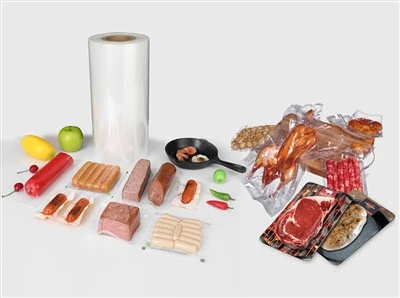
If you want to learn more and start a conversation about your packaging needs, reach out to us to discuss how we can support your home and personal care liquid product goals. We’re here to partner with you every step of the way, from initial design to delivery.
Food Packaging Solutions References
- Ellen MacArthur Foundation. (2022). The New Plastics Economy: Rethinking the Future of Plastics.
- American Society for Testing and Materials (ASTM). (2021). Standard Test Methods for Light Transmission of Plastic Packaging Materials.
- Packaging Association of North America. (2023). Life Cycle Assessment of Post-Consumer Recycled Packaging for Liquid Products.
- Journal of Applied Packaging Research. (2022). Performance of UV-Stabilized Packaging for Aqueous Personal Care Formulations.
- Sustainable Packaging Coalition. (2023). Refillable Packaging Best Practices for Home & Personal Care Liquid Products.
Qingdao Senlida Packing Co., Ltd.
Qingdao Senlida Packing Co., Ltd. is one of the most experienced home & personal care packaging solutions manufacturers and suppliers in China since 1995. With a professional production team, we are able to meet the needs of the majority of our customers. Please feel free to buy high quality packing products at competitive price from our factory.
Address: No.299 Feichao Road, Luwang Town, Huangdao District, Qingdao, Shandong Province, China.
E-mail: liuxh@qdsenlida.com
WebSite: https://www.senlidapacking.com/
