Hey everyone, it’s Jake here, your go-to guy for all things LED headlight bulbs. I’ve been supplying these bad boys for over 7 years now, and let me tell you—nothing’s more frustrating than a client getting a shipment of LED bulbs that are dead on arrival, or worse, damaged so bad they can’t be installed. So today, we’re diving deep into the question that almost every customer asks me: What’s the best way to transport LED headlight bulbs? LED Headlight Bulb
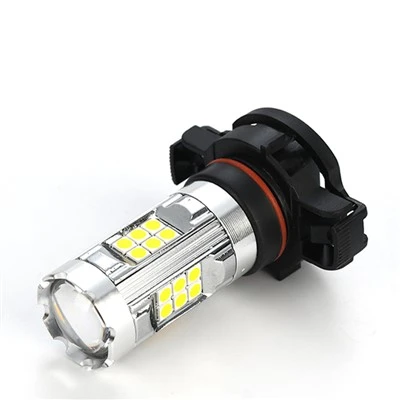
First off, let’s cut the crap. LED bulbs aren’t just regular old incandescent bulbs. They’re delicate little bundles of tech—microchips, tiny cooling fans (for our active-cool models), and super-sensitive diodes that don’t play nice with rough handling, extreme temps, or pressure changes. I’ve seen it all: a pallet of bulbs dropped from a forklift, 30% of the boxes crushed; a shipment left on a tarmac in 100°F heat, the plastic bases warped so none fit properly; and even a container left in a cold warehouse for 3 months, the internal fans seized up so they never spun right again. That’s why transport isn’t just “putting boxes on a truck”—it’s a science, and I’ve learned every lesson the hard way.
Let’s start with the basics: prepping the bulbs for transport. A lot of new suppliers skip this step, but it’s non-negotiable. When we package our bulbs, we don’t just throw a single bulb in a bubble bag and call it a day. Wait, for small retail orders, that works, but for bulk shipments (like the 50,000-unit runs we do for auto parts stores), we’ve got a system: first, each bulb goes into a molded EPE foam insert. EPE is expanded polyethylene foam—it’s soft, has shock absorption, and doesn’t scratch the aluminum heat sinks on our bulbs (scratching the heat sink kills cooling efficiency, which cuts bulb lifespan by 50%). Then, those individual foam inserts go into a corrugated box that’s reinforced with 32-edge boards on the corners. No flimsy 200-lb-test cardboard here—we use 275-lb-test, because even a 50-lb box of bulbs can get crushed if it’s stacked wrong. And we always add a humidity indicator card inside each box—LED diodes hate excess moisture, which can corrode the circuitry over long haul flights. I once had a shipment to Europe where the humidity got up to 85% in the container, and 12% of the bulbs had corroded pins. Now we use those cards, and if the reading’s over 60% at delivery, we replace the damaged ones on our dime. No exceptions.
Next, choosing the right shipping method. This is where most people mess up. Let’s break it down by order size and destination, because there’s no one-size-fits-all here. For small orders (like under 100 bulbs) going domestic, I always recommend standard ground shipping with a carrier that has a good track record for package handling—think USPS, UPS, or DHL Express’s economy, but wait, no—wait, no, for small domestic, ground is fine, but make sure you choose a carrier that doesn’t “pile and ride” packages. I once had a USPS shipment that was left under a pallet of lawn furniture, and the bulb box was crushed. Now I always mark our boxes “Fragile: Electronic Components” and “Do Not Stack” in big, bold letters, but not just in English—if we’re shipping internationally, we add the local language too. For cross-border small orders, like to Canada or Mexico, DHL’s Small Parcel is way better than regular postal services because their tracking is live, and they handle packages more carefully.
Now for bulk shipments—this is where it gets tricky. A lot of suppliers use ocean freight for bulk, and while it’s cheap, it’s not always the best. Wait, let’s be honest: ocean is great for long hauls, but you have to account for two big things: temperature and pressure. Container ships can cross the equator, where temps hit 110°F inside the container, or go to Northern Europe where it’s 20°F. Our bulbs have a temperature range of -40°F to 185°F, but constant swings are bad. So if you’re doing ocean, make sure you use a “dry van” container, not a refrigerated one—refrigerated containers have humidity issues, and the cooling coils can cause condensation. Also, don’t stack anything heavy on top of your bulb boxes. I learned this the hard way: once we had a container with 10 pallets of tires on top of our 2 pallets of bulbs, and 15% of the boxes had broken foam inserts, so the bulbs got jostled around. That’s why we always specify “palletized, no heavy stacking above” in the shipping contract.
For bulk shipments that need to get there fast (like if a customer has a rush order for a auto show), air freight is the way to go, but only if you use expedited air with a carrier that does “white glove” handling for electronics. Wait, but air pressure is a thing. When you fly at 30,000 feet, the pressure drops, and if your boxes aren’t sealed properly, the foam inserts can shift, or small components like the fan blades can break. Oh, and we’ve had issues with batteries in our active-cool bulbs—air freight has strict rules for lithium-ion batteries, which our bulbs use. So we always ship our bulbs with the batteries installed, but we declare them as “portable electronic devices” and follow IATA guidelines, which means the boxes are marked with the correct UN number. If you mess that up, your shipment can get seized by customs, which is a nightmare.
Wait, let’s talk about a common mistake: under-packaging. I’ve seen so many competitors use just a bubble bag and a regular box for bulk. That’s a disaster. Once, a client came to me with a shipment of 1,000 LED bulbs, half of which were dead because their foam inserts were generic, so during transit, the circuit boards got knocked loose. We don’t use generic foam—we get custom-molded inserts that fit each model, so there’s zero movement inside the box. That’s a huge difference. Even the bubble wrap we use is anti-static, because static electricity can fry the LED diodes. I know a lot of people think static is just a winter thing, but in warehouses with low humidity, it’s a real problem. So no regular bubble wrap here—anti-static only.
Another big factor: storage during transit. Wait, that’s not just about the shipping method, it’s about the “last mile” part. A lot of carriers will leave your pallet on a loading dock overnight, in the rain, or in direct sunlight. That’s bad. LEDs don’t like being left in extreme temps for more than a few hours. So we always require our clients (especially big retail clients) to have a climate-controlled receiving area, and we mark the boxes “Do Not Store Outside” on all sides. If a shipment is left on a dock, we’re not responsible for damage, because we’ve done our part to mark the boxes clearly.
Wait, let’s get into testing. Before we ship any order, we do a quick drop test. We drop a sample box from 3 feet (the height of a standard loading dock) onto concrete, and then check all the bulbs inside. If even one bulb breaks or has a loose connection, we repackage the entire batch. That’s a step a lot of suppliers skip, but it’s how we keep our defect rate under 0.5%—way lower than the industry average of 2-3%. Last year, a big auto parts chain told us their defect rate from other suppliers was 4%, and with us, it was 0.3%. That’s the difference between good transport prep and cutting corners.
Now, what about international shipments specifically? Customs is a big one. You can have the best packaging in the world, but if your customs declaration is wrong, your shipment gets held up for weeks, which is bad for bulbs that might be perishable? Wait, no, they’re not perishable, but time-sensitive. If a customer needs bulbs for a launch, a 3-week delay kills their timeline. So when we ship internationally, we always declare the products as “automotive lighting components” and include a detailed invoice with the product model, quantity, and value. We also make sure all the paperwork is in the local language—for example, when shipping to Brazil, the commercial invoice has to be in Portuguese, not English. I once had a shipment delayed for 10 days because I forgot that, and the customer almost lost their pre-orders. Never again.
Wait, let’s talk about the different types of LED bulbs and their transport needs. Not all LEDs are the same. Passive-cool bulbs (no fan, just a heat sink) are a little more durable, so you can get away with lighter packaging for domestic small orders. But active-cool bulbs (with a fan, like our high-performance H11 LED bulbs) are way more sensitive to vibration. So for active-cool bulbs, we always add a small shock-absorbing pad at the bottom of each box, and we mark the boxes “Vibration Sensitive” too. The fan blades are tiny—if they get knocked around during transit, they can break, and the bulb overheats in 10 minutes. That’s why our active-cool bulbs have a 2-year warranty, but we won’t honor it if damage is from improper transport. We’re fair, but we’re not going to cover a mistake that someone else made.
Another thing: palletization. For bulk shipments, we don’t just stack boxes on a wooden pallet and call it a day. We stretch-wrap the pallet three times, and then add corner protectors so the boxes don’t shift. We also use pallet caps (those plastic or cardboard covers on top of the pallet) to keep moisture and dust out. And we use heat-resistant stretch wrap—regular stretch wrap can melt in hot temps, and then the boxes come loose. I’ve seen pallets where the stretch wrap melted, and half the boxes fell off during transit. That’s a $5,000 mistake, easily.
Wait, let’s address a myth I hear all the time: “LED bulbs are just electronics, so you can ship them the same way as phones or laptops.” No, that’s wrong. Phones are designed to take a beating, but LED bulbs have a very specific shape—they have a small base that fits into a headlight, and a heat sink that’s wide. That shape makes them more prone to jostling in their packaging. Also, LED bulbs are usually smaller than laptops, so they can slip around in generic foam. That’s why custom molding is key.
Now, let’s talk about what we do to make sure our shipments arrive safe. We use real-time tracking for every order, so we can see if a shipment is delayed, if it’s left outside, or if there’s a temperature spike. If we see a shipment has been sitting at a port for more than 48 hours in 90°F heat, we contact the carrier immediately and ask them to move it. Last quarter, we had a shipment to Germany that was delayed at Hamburg port, and we got it moved to a local warehouse, so none of the bulbs were damaged. That’s the kind of proactive step that keeps our customers coming back.
I know a lot of small business owners who buy LED bulbs online, and they just pick the cheapest shipping option, then wonder why half the bulbs are dead. Don’t do that. For example, if you’re a small auto repair shop buying 50 bulbs, paying an extra $10 for a ground shipping option that marks your boxes “Do Not Stack” and uses anti-static packaging is way worth it, instead of paying $5 less and having to return 15 bulbs. Returns cost you money, and they delay your work, so better to spend a little more upfront on transport.
At the end of the day, the best way to transport LED headlight bulbs is a combination of proper packaging, the right shipping method for your order size, proactive tracking, and clear communication with your carrier. It’s not rocket science, but it’s not just “throw it on a truck” either. And that’s why we’ve built our business on this—because we don’t cut corners on transport, and our customers know that when they order from us, their bulbs will arrive ready to install, no broken diodes, no seized fans, no crushed boxes.
If you’re looking to source LED headlight bulbs for your shop, your online store, or your company, we’ve got you covered. We’ve got models for every make and model of car, from standard H4 bulbs to high-performance 9005 LEDs, and we stand behind every shipment. Reach out to us to discuss your order size, destination, and any special requirements you have. We can work with you to find the perfect transport solution that fits your budget, so you don’t have to deal with the headaches of damaged bulbs or delayed shipments.

Now, a quick note: I’ve worked with so many clients who come to me after losing thousands of dollars because they tried to save a few bucks on shipping. Don’t make that mistake. Transport is just as important as the bulb itself—if the bulb doesn’t arrive in one piece, it’s just a fancy paperweight. We take that seriously, and we make sure every shipment leaves our warehouse ready to hit the road (or the runway, or the ocean) safely.
LED Headlight Bulb References:
- International Air Transport Association (IATA) Lithium-Ion Battery Shipping Guidelines, 2023
- Automotive Aftermarket Suppliers Association (AASA) Lighting Component Transport Best Practices, 2022
- Expanded Polyethylene (EPE) Foam Shock Absorption Testing Data, 2021
- LED Technical Association (LED TA) Dode Stability and Transport Standards, 2020
Shine Bright Optoelectronic Co., Ltd.
As one of the most professional led headlight bulb manufacturers in China, we also accept customized orders. Please feel free to buy bulk advanced led headlight bulb in stock here from our factory. Welcome to contact us for quotation.
Address: 6th Floor, Buildings B & C, Baotang Industrial Zone, No. 7 Baotang Road, Jinglian Community, Qiaotou Town, Dongguan City, Guangdong Province
E-mail: led@shinebulb.com
WebSite: https://www.shinebulb.com/
