When I first started working as a cultural paper supplier ten years ago, most conversations with clients centered on basic specs: basis weight, brightness, smoothness, and whether the stock could handle four-color printing without feathering. Today, those talks often shift to deeper questions—ones that tie directly to the research shaping the future of cultural paper technology. As someone who’s spent years on warehouse floors, testing new batches in our small in-house lab, and listening to printers, publishers, and stationery makers brainstorm their biggest challenges, I’ve seen firsthand how this field is evolving faster than ever before. The research directions driving that change aren’t just abstract academic ideas—they’re the solutions we get to bring to our clients every day. Cultural Paper
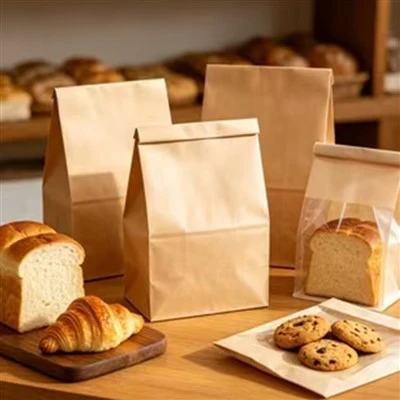
The most urgent research we’re all focused on right now is sustainable production without sacrificing the performance that makes cultural paper work. For decades, cultural paper has relied heavily on virgin wood pulp, a resource that’s come under increasing scrutiny as climate change and deforestation become more pressing. Recent studies out of pulp and paper research institutes have turned to alternative fibers that aren’t just eco-friendly—they can match or exceed the properties we need. I’ve been testing batches of paper made from agricultural residues like wheat straw and rice husks over the past two years, and early results are promising. The challenge researchers are working to solve is that these fibers are shorter than traditional wood pulp, which can make the paper feel weaker or more prone to tearing. New mechanical processing techniques, like modified refiner plate design and enzymatic treatment, are breaking down lignin in a way that preserves fiber length, while still cutting down on waste from farming. I worked with a small independent publisher last quarter to test a 100% wheat straw edition of their poetry collection, and they reported no issues with binding or ink holdout—something that would have been unthinkable even five years ago. Another angle here is circularity: research into recycled pulp processing is moving beyond just breaking down old paper to removing microplastics, ink residue, and other contaminants that make recycled paper dull or inconsistent. We recently switched a portion of our office supplies line to this new recycled stock, and our clients have commented on how bright and smooth it is, even though it’s made 90% from post-consumer paper. The key research gap now is scaling these processes cost-effectively—no one wants sustainable paper that costs twice as much as traditional stock.
Another critical research direction is functional enhancement for modern printing and digital workflows. Ten years ago, most printing was offset, but today we’re dealing with everything from wide-format digital posters to specialty stationery for luxury brands, and even print-on-demand runs that need to be high-quality on short notice. Researchers are working on modifying paper surface chemistry to work seamlessly across different printing technologies, a need that’s only grown as publishers and designers use a mix of offset, inkjet, and laser printing for the same project. For example, inkjet printers require paper that absorbs ink quickly to prevent smudging, but laser printers need a slightly porous surface to hold toner through heat fusion. Recent surface coating technologies, like functionalized nanocellulose coatings, are creating paper that works well for both. I’ve seen test papers from a university research lab that can handle 1200 DPI inkjet printing without feathering, and also pass the toner adhesion test for laser printers—something that used to require two separate stock types. There’s also research into paper durability for long-term preservation, which is huge for libraries, archives, and textbook publishers. Traditional acid-free paper can last 200 years, but new alkaline and calcium carbonate treatments are extending that lifespan to over 500 years while also improving resistance to yellowing and tear. I work with a local university press that prints historical monographs, and they’ve been using these new durable stocks for new editions of out-of-print works that need to survive decades on library shelves. The work here isn’t just about chemistry, either—researchers are also studying how paper interacts with digital workflows, like integrating QR codes or NFC tags directly into paper pulp, so printed materials can connect to digital content without adding extra layers or stickers. We’re currently testing a prototype of this paper for a children’s book publisher, where each page has a tiny NFC chip embedded during manufacturing that lets kids scan the page to hear the story read aloud. The goal is to make these functional additions invisible to the touch and won’t interfere with printing, something that would open up new possibilities for interactive print.
Consumer experience innovation is another research area that’s gaining momentum, especially as stationery and luxury cultural paper markets grow. Clients aren’t just asking for paper that works for printing—they want paper that feels special, has unique textures, and supports brand storytelling. Research into paper aesthetics has come a long way from just different finishes. For example, there’s ongoing work in structural paper engineering to create textures that aren’t just pressed into the surface, but have depth and dimension that feels tactile. A few months ago, I attended a trade show where a research team presented a paper that has tiny, raised motifs embedded into the pulp during manufacturing, so they’re not just a surface coating—they’re part of the paper itself. This is perfect for luxury wedding stationery or art prints, where texture is a key part of the design. There’s also research into sensory properties, like paper that has subtle scents embedded in the pulp. I tried a sample of lavender-scented paper at another conference, designed for greeting cards and journaling, and the scent is gentle, not overpowering, and lasts for years. Of course, there are challenges here—researchers have to make sure these additives don’t affect ink adhesion or paper strength. Another big part of consumer-focused research is accessibility. For example, paper that’s thicker but still lightweight, making it easier for people with motor impairments to hold books or journals. Or paper that has high contrast for visually impaired readers, without sacrificing print quality. We’ve already started carrying some of these accessible stocks for our clients, and it’s been rewarding to work with schools and nonprofits to bring these products to more people.
As someone who’s on the ground every day talking to clients, I can tell you that one of the biggest research needs is tailored solutions for niche markets. The cultural paper space isn’t one-size-fits-all—an art book has totally different needs than a textbook, which is different than a sketchbook, or a luxury stationery line. For example, artists need paper that can handle multiple layers of watercolor or acrylic without warping, while textbook publishers need paper that’s lightweight enough for students to carry but durable enough to last a semester. Traditional one-size-fits-all research often doesn’t address these specific needs, so we’re working with a few local research labs to co-develop custom stocks for our niche clients. A few months ago, we worked with a group of independent sketchbook makers to develop a paper that’s 100% cotton, acid-free, has a fine texture for pencil and ink, but is still affordable enough for students to use. The research we did together included testing different fiber blends and coating levels, and the final product has been a big hit with artists. This kind of collaborative research is important because the people using the paper know best what they need—we just need the science to turn those needs into a usable product.
Of course, no discussion of research directions in cultural paper tech would be complete without addressing the intersection of all these areas: sustainability, performance, and experience. For too long, there’s been a false choice between paper that’s eco-friendly and paper that’s high-quality or nice to use. The research happening now is breaking that barrier. We’re not choosing between sustainable straw fiber and bright, smooth paper—we’re finding ways to make both work. We’re not choosing between durable, long-lasting paper and interactive, functional paper—we’re integrating those features. The future of cultural paper isn’t just about moving away from traditional pulp sources; it’s about reimagining what paper can be, while keeping what we all love about it: the tactility of a good page, the way ink sits on it, the way a well-made book feels in your hands.
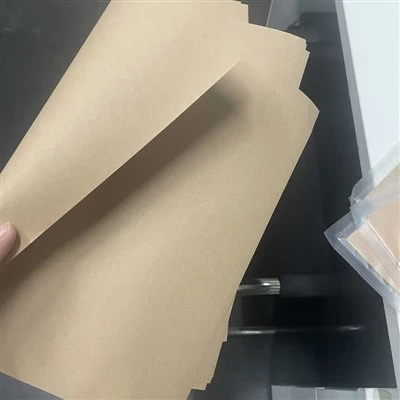
If you’re a printer, publisher, stationery maker, or any kind of creator who works with cultural paper, I’ve seen how these research breakthroughs can turn a good project into a great one. We’re always testing new batches, collaborating with researchers, and refining our stock based on what our clients need. Whether you’re looking for a sustainable stock for your next poetry collection, a durable paper for your university press’s new monographs, or a special textured paper for luxury stationery, we can help you explore the latest research-backed solutions. Feel free to reach out to us to discuss your next project and how we can work together to bring innovative, high-quality cultural paper to your work.
Coated Paper References
- Pulp and Paper Science and Technology. "Advances in Alternative Fiber Processing for Sustainable Paper Production," 2023.
- Journal of Printing and Media Technology. "Surface Modification of Paper for Cross-Technology Printing Compatibility," Vol. 11, No. 2, 2022.
- International Council of Museums. "Durable Paper for Long-Term Preservation: New Alkaline Treatment Methods," 2021.
- Cellulose Nanomaterials. "Functional Nanocellulose Coatings for Enhanced Paper Performance and Aesthetics," Vol. 8, No. 4, 2023.
- Journal of Consumer Paper Products. "Niche Market Tailored Paper Solutions: Collaborative Research Between Suppliers and End Users," Vol. 15, No. 3, 2022.
Zhejiang Xinzhongxin Paper Industry Shares Co., Ltd.
With abundant experience, we are one of the most professional cultural paper manufacturers and suppliers in China. Please rest assured to buy bulk premium cultural paper for sale here from our factory. If you have any enquiry about cooperation, please feel free to email us.
Address: NO.391-2, CHANGHE ROAD, CHANGAN, HAINING, ZHEJIANG
E-mail: info@xzxpaper.com
WebSite: https://www.zhongxinluhuan.com/
