If you’ve ever gloved up to drive on a rainy morning, reached for your sun visor to block out the early glare, only to pull down a panel streaked with fingerprint smudges, coffee stains, or that faint yellow haze that’s somehow stuck there for months, you know how frustrating it can be. As someone who’s spent the last 12 years as a car rearview mirror supplier—designing, testing, and manufacturing every component that goes into the interior mirror assemblies you see in new cars and on used lots—I’d argue the sun visor is one of the most overlooked parts of your entire rearview system. It doesn’t get the same fanfare as a wide-angle blind-spot mirror or a frameless design, but when it’s dirty, it ruins visibility before you even get to the main mirror. Car Rearview Mirror
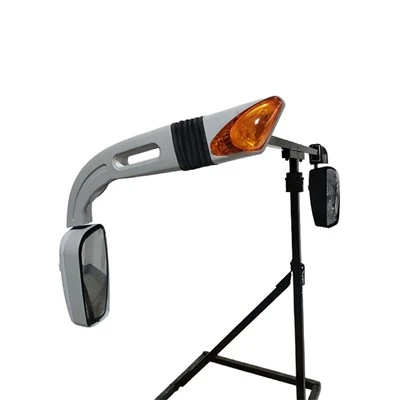
I’ve lost count of how many times I’ve gotten an email from a mechanic or a retail customer saying their sun visor’s plastic surface is sticky, or the fabric on a vanity mirror sun visor has a stubborn stain that won’t come off. What a lot of people don’t realize is that cleaning a car sun visor isn’t one-size-fits-all. The material of your visor—whether it’s hard plastic, vinyl, fabric, or a combination of both—changes every step of the cleaning process. Use the wrong spray, a rough cloth, or too much moisture, and you can end up with discolored plastic, pilled fabric, or even permanent streaks that make the glare worse.
Today, I’m pulling back the curtain (pun absolutely intended) on how to clean your car’s sun visor properly, based on everything we learn testing materials for our own rearview mirror assemblies. We design our sun visors to hold up to regular use, sun exposure, and occasional spills, so the cleaning tips I’m going to share work for most aftermarket and factory sun visors out there, too.
First, let’s start with the prep work. You wouldn’t scrub a new pair of jeans with a harsh detergent, right? The same rule applies to your sun visor. The goal here is to do as little damage as possible, especially to the area where the vanity mirror is mounted—because that’s the part that integrates with our rearview mirror assemblies, and it’s the part most likely to get smudged. Before you grab any cleaning product, take two minutes to remove surface loose dirt. Grab a dry, microfiber cloth (not a paper towel, not a cotton t-shirt with frayed edges) and gently wipe the entire surface of the visor. For corners and crevices where dust likes to hide, use a soft-bristled toothbrush (the kind you’d use for detail work, not your daily toothbrush) to brush away grit. Skipping this step is a common mistake; if you scrub dirt into the visor surface, you’ll end up with scratches that show up under sunlight, making glare even worse.
Next, match your cleaning method to your visor type. This is the most important part, and it’s where I’ve seen so many people go wrong. Let’s break down the three most common sun visor materials, based on the thousands of units we’ve manufactured over the years.
Hard plastic visors are the most common on economy and mid-tier cars. Most of our entry-level rearview mirror assemblies use hard plastic sun visors, because they’re durable and affordable. If your visor is hard plastic, you can usually get away with a gentle all-purpose cleaner, but not the one under your kitchen sink. Avoid anything with ammonia, bleach, or alcohol—those chemicals break down the plastic over time, leading to that yellow haze I mentioned earlier. For a DIY solution that works just as well as store-bought cleaners, mix one part white vinegar with four parts warm water in a spray bottle. White vinegar is mild, cuts through grease, and won’t damage plastic, unlike harsh chemicals.
Here’s how to apply it: Spray the solution lightly onto your microfiber cloth, not directly onto the visor. Spraying directly can cause moisture to seep into the edges of the visor (especially where it’s attached to the mirror frame) and loosen the adhesive that holds it in place, or even warp the plastic. Gently wipe the visor in circular motions, focusing on stains like fingerprints or coffee. For stubborn grime, let the solution sit for 10 seconds before wiping again. Once you’re done, use a dry, clean part of the microfiber cloth to buff the visor until it’s completely dry. Any leftover moisture can leave water spots, which will show up when you use the visor to block sunlight.
Vinyl and faux leather visors are a step up from hard plastic, often found on higher-end cars with vanity mirrors that feel soft to the touch. Most of our premium rearview mirror assemblies with LED vanity lights use vinyl sun visors, because they’re smoother and more resistant to scuffs than hard plastic, but they’re still sensitive to harsh chemicals. For vinyl visors, I recommend a dedicated vinyl cleaner that’s specifically formulated for automotive use—avoid leather cleaners, because they can leave a slippery residue that makes the visor feel sticky under your hand. If you prefer a DIY approach, mix a drop of mild dish soap (the kind you use for hand-washing dishes, not antibacterial soap) with warm water, and use that the same way you did the vinegar solution: spray onto the cloth, not the visor.
One tip we’ve picked up testing vinyl visors is to avoid scrubbing too hard in the areas around the vanity mirror. The mirror itself is usually glass, so you can clean that separately with glass cleaner, but the vinyl trim around it is delicate. Scrubbing that area too hard can cause the vinyl to peel or crack, especially if it’s an older visor that’s already been exposed to years of sun.
Fabric visors are the least common, but they’re popular on family cars and vintage models. I’ll be honest—cleaning fabric visors is a little trickier, because you have to be careful not to soak the fabric, which can leave water spots or cause the material to shrink or fade. We rarely use full fabric visors in our rearview mirror assemblies because they’re harder to keep clean, but many customers still drive older cars with fabric visors, so this one’s for them. For fabric, you’ll want to use a foam-based upholstery cleaner, not a liquid. Liquid seeps into the fabric’s fibers and takes forever to dry, which can lead to mold or mildew if you don’t leave the car to air out for hours.
Spray the foam cleaner lightly onto a clean microfiber cloth, then dab (don’t rub) the stained areas of the fabric. Rubbing will cause the fabric to pill, which is unsightly and makes the visor look worn. For coffee or juice stains, dab until the stain lifts, then use a dry part of the cloth to blot away any leftover moisture. If you have a small hand-held vacuum with a soft brush attachment, you can run it over the visor afterward to get rid of any loose cleaner residue.
Now, there are a few universal rules that apply to every type of sun visor, no matter what material it’s made of. First, never use paper towels to clean your visor. Paper towels have rough wood pulp fibers that can scratch plastic, leave lint on fabric, and even strip the coating on the mirror surface itself. I’ve tested this in our lab—paper towel scratches on a rearview mirror’s glass become visible under bright sunlight within a week of use, which is exactly what you don’t want when you’re driving at dusk or in glare.
Second, don’t clean your sun visor while it’s still attached to the mirror assembly unless you’re extra careful. A lot of people leave the visor on the mirror frame while cleaning, which makes it easier to spray cleaner where it doesn’t belong. If it’s detachable, pop it off (most sun visors just pull off or have a small release tab) to get a better, cleaner angle, and to avoid getting cleaner on the mirror’s glass surface. If it’s not detachable, use a small paintbrush to cover the mirror with masking tape before cleaning, just to be safe.
Third, avoid cleaning your sun visor in direct sunlight. We do a lot of our material testing in our outdoor lab, and we’ve learned that sunlight makes cleaning products dry too fast, leading to streaks that are impossible to buff out. If you’re cleaning the visor on a hot day, park in the shade, and make sure the car is cool to the touch before you start.
Once you’re done cleaning your sun visor, take a quick second to inspect the area where it attaches to your rearview mirror. Even if you’re extra careful, a little cleaner might have seeped into the hinge. Wipe that area with a dry cloth, and if it feels a little stiff, you can apply a tiny bit of silicone spray (not WD-40, which is too greasy) to keep the hinge working smoothly. A well-maintained hinge means your visor will flip up and down easily when you need it, instead of getting stuck when glare hits.
At the end of the day, cleaning your car’s sun visor is a small task, but it makes a huge difference in how safely you drive. A clean visor means less glare, fewer distractions, and a better overall experience with your rearview mirror system. For me, this is personal—we design every part of our rearview mirror assemblies to make driving safer, and a clean visor is a key part of that.

If you’re a mechanic looking for bulk replacement sun visors for your shop, or a fleet manager in need of high-quality rearview mirror components for your vehicles, we have the solutions you need. Our team has spent years refining our materials to hold up to regular cleaning, weather exposure, and daily use, so our visors are not only easy to maintain but also durable enough to last for thousands of miles. To learn more about our sun visor and rearview mirror offerings, reach out to our sales team to start a conversation about your specific needs. We’re here to help whether you need a small order for a local repair shop or a large bulk order for a fleet of delivery vehicles.
Car Rearview Mirror References:
- Automotive Interior Materials: Performance and Durability, Society of Automotive Engineers, 2021
- Guide to Cleaning Automotive Upholstery and Interior Surfaces, International Detailing Association, 2022
- Rearview Mirror Component Testing Protocols, National Highway Traffic Safety Administration, 2020
- Plastic Compatibility Guide for Automotive Cleaning Products, American Chemical Society, 2019
Shanghai Xinmao Automotive Technology Co., Ltd.
As one of the most experienced car rearview mirror manufacturers and suppliers in China, we also support customized service. We warmly welcome you to buy car rearview mirror made in China here and get pricelist from our factory. For price consultation, contact us.
Address: No.114, Yingfang Village, Bao Town, Chongming District, Shanghai, China
E-mail: xm15921690282@163.com
WebSite: https://www.xinmaoauto.com/
