If you’re a guy who’s ever stared at his closet mid-March wondering, “Why is my winter parka still sweating me through?” trust me—you’re not alone. As someone who’s been in the men’s wear game for years (and has definitely fixed a bunch of ill-fitting, wrong-season jackets for regulars), spring jackets are such a tricky sweet spot. They need to beat the random April drizzle, hold up when the wind picks up out of nowhere, and not feel like you’re wearing a trash bag when the sun hits 70 degrees. After testing tons of fabrics and hearing so many customer rants about scratchy wool or heavy nylon that’s way too hot, I’m breaking down exactly what works this year—no fancy jargon, just real, guy-tested intel. Men’s Wear
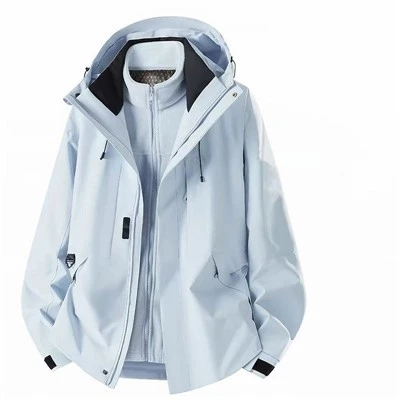
First off, let’s cut the BS: spring weather is weird. One morning you’re grabbing coffee with a hoodie under your jacket and a scarf in your bag, by lunch you’re peeling that jacket off because you’re walking to the office and it’s 72 degrees. So the best fabrics? They balance breathability, lightness, and enough stretch to move. No more stiff blazer jackets that feel like cardboard when you bend to grab a beer at the backyard BBQ, or flimsy windbreakers that turn into a tent when it gets gusty.
Let’s start with my absolute top pick right now: organic cotton twill. Wait, I know what some of you are thinking—cotton gets wet, right? Yeah, but not this specific twill blend. We’ve been using a pre-washed, slightly brushed organic cotton twill for our spring blazer jackets and casual field jackets for two seasons now, and the feedback has been insane. Why does it work so well for spring? First, it’s lightweight—way lighter than thick winter cotton twill, but still has that structured feel that makes it look put-together for a date or a client meeting. The brushing on the inside is subtle, so it’s not scratchy like old flannel, but it adds a tiny layer of warmth for those early mornings. The best part? It wicks moisture way better than regular cotton. I wore one of these jackets last month when I got caught in a 20-minute drizzle walking to a golf course, and by the time I got there, my shirt under was just damp, not soaked through. The water beads up on the surface instead of absorbing, and it dries in like an hour if you hang it up—way faster than heavy denim. Bonus: organic cotton is super soft, so you don’t have to break it in like old workwear. We also add a tiny bit of stretch (2% spandex, don’t panic) to the cuffs and side seams, so if you’re reaching for a gym bag or tying your shoes, you don’t feel restricted. The only tiny downside? It’s not fully waterproof—if you’re in a full downpour, you’ll want an umbrella—but it’s perfect for that random spring drizzle we all hate.
Next up, recycled polyester microfiber. I know polyester gets a bad rap, but hear me out—this is not the cheap shiny stuff from high school windbreakers. We’ve been using recycled microfiber for our casual lightweight bomber jackets this year, and it’s a game-changer for guys who hate heavy layers. Why? First, it’s super breathable—way more than regular polyester, because the microfibers are so fine they let air flow through but block wind. I wore one of these to a college football game last weekend where it was 55 degrees, windy, and sunny, and I didn’t overheat even when I was standing around yelling for my team. It’s also stain-resistant—we tested it with coffee, barbecue sauce, and mud, and most of it just wipes right off with a damp cloth. That’s huge for guys who don’t want to stress about getting their jacket dirty when they’re out with friends. The best part? It’s lightweight enough to fold up and stick in your backpack, so if the afternoon gets too warm, you’re not stuck carrying a heavy jacket. We line ours with a thin mesh, so there’s no sticky feeling against your skin, and it’s available in tons of neutral and fun colors—navy, olive, even light gray for summer transition. The only thing to note: it’s not the most formal fabric, so save the microfiber bomber for weekends or casual office days, not client meetings.
Now, let’s talk about a fabric that’s been popping up everywhere lately, and for good reason: linen-cotton blend. Wait, I know linen wrinkles, right? And it’s super hot? No, not when it’s blended with cotton. We did a line of unstructured field jackets this spring that are 70% linen, 30% cotton, and it’s by far our most popular item right now. Linen alone is great for breathability, but it’s too flimsy for wind and wrinkles way too much. Add cotton, and it adds structure and softness, plus it cuts down on the extreme wrinkling. I wore mine to a wedding last month, and after sitting through a 2-hour ceremony, eating dinner, and dancing, it only had a few tiny wrinkles that a quick tug fixed—no need to iron it, which is perfect for guys who don’t want to fuss with their clothes. The breathability here is unbeatable. If you’re in a part of the country where spring turns straight into summer by May, this is your fabric. It’s light enough that when the sun hits, you feel air on your arms, but the cotton adds a little thickness so it’s not see-through and blocks light wind. The only catch? It’s not water-resistant at all—if you get caught in rain, it will soak through—but it dries pretty fast, and the wrinkles just add to that casual, relaxed vibe (which is totally on trend right now, by the way). We also make these in a slightly darker linen-cotton blend for guys who want something that works for after-work drinks, so it’s versatile enough to wear for multiple occasions.
Wait, can’t forget about technical wool. I know wool is usually for winter, but technical wool is a whole different beast. We did a test run of lightweight merino wool jackets last year, and we were shocked at how well they worked for spring. Merino wool is naturally breathable, odor-resistant, and it regulates temperature—so when it’s cool, it keeps you warm, when it’s warm, it lets heat escape. The technical part is that it’s treated to be water-resistant, not like a rain jacket, but enough to repel light drizzle and spills. It’s also super lightweight—way lighter than regular wool, so you don’t feel like you’re wearing a old winter sweater. The best part? It’s odor-resistant, so if you wear it all day to work, you don’t have to wash it after every use, which saves you time and money. I had a customer who bought one last March and wore it almost every day for 3 months, and he said it still smelled fine even when he forgot to wash it for a week. The only thing to note: it’s a little more expensive than the other fabrics, but it’s durable enough to last for years, so it’s worth the investment if you want a jacket that works for office days and casual nights. Also, it’s a little softer than regular wool, so no itchy neck, which is a huge win.
Now, what fabrics should you skip this spring? Let’s get that out of the way so you don’t waste your money. First, heavy winter wool. I know it’s warm, but it’s way too hot for spring—you’ll sweat through it the second the sun comes out, and it’s bulky, so it doesn’t layer well. Next, cheap nylon. That shiny, stiff nylon you find at big box stores? It’s not breathable, so you’ll get all sweaty on the inside, and it’s not durable—by the end of spring, it’ll start peeling or fading. Finally, heavy denim. Denim is great for jeans, but heavy winter denim jackets are way too thick and dark for spring—they absorb water, take forever to dry, and make you feel like you’re wrapped in a blanket. If you want a denim jacket for spring, go for a light-wash, thin denim one, but even that’s not as good as the fabrics I mentioned above.
As a supplier, I’ve learned over the years that the best spring fabrics aren’t just trendy—they’re practical. Guys don’t want to think about their jacket all day: do I need an umbrella? Will I overheat? Will this stain if I spill my beer? The fabrics I talked about—organic cotton twill, recycled polyester microfiber, linen-cotton blend, technical merino wool—all solve those problems. They’re light enough for warm afternoons, have enough structure for cool mornings, handle light spring weather, and look good for any occasion.
If you’re a retailer looking to stock these jackets, or a guy who needs to refresh his spring wardrobe, hit us up. We work with small boutiques and big brands alike, offer bulk pricing for stores, and can customize these fabrics to match your brand’s look. No minimum orders for small shops, and we give free samples so you can test them out before buying. Spring is all about feeling comfortable, not stressing about your clothes, and the right fabric makes all the difference. Don’t waste another season on a jacket that’s either too hot, too heavy, or falls apart after a month—reach out and let’s find the perfect spring jacket for you (or your store).
Men’s Wear References:
- Textile Institute. (2022). Performance Characteristics of Blended Fabrics for Seasonal Apparel.
- Outdoor Industry Association. (2023. Men’s Spring Outerwear Material Trends and Testing.
- Organic Cotton Accelerator. (2021. Benefits of Pre-Washed Organic Cotton for Casual and Formal Apparel.
- Merino Wool Association. (2022. Temperature Regulation Properties of Lightweight Merino Wool for Everyday Wear.
Tengzhou Jufulong Garment Co., Ltd.
We are one of the most professional men’s wear manufacturers and suppliers in China, also support customized service. With abundant experience, we warmly welcome you to wholesale high quality men’s wear made in China here from our factory. Contact us for free sample.
Address: Zongzhuang Village, Jisuo Town, Tengzhou City, Zaozhuang City, Shandong Province (West of Jisuo Middle School)
E-mail: 17606320177@163.com
WebSite: https://www.jufulongwear.com/
