If you’ve ever stood in a luggage shop, staring at two identical fabric bags with different price tags, you’ve probably asked the same question I get every day as a travel bags supplier: “Can travel bags be used as duffel bags?” For years, I’ve heard this from casual travelers who want to cut down on gear, from small business owners packing sample kits, and even from backpackers who lost their duffel on a trail and need a quick replacement. The short answer is yes—but the long answer, based on how we design travel bags, the materials we use, and the actual needs people bring to us, is more nuanced than you might think. Let me break this down, because understanding the difference between the two can save you time, money, and a lot of headache on your next trip. Travel Bags

First, let’s set the basics. What do most people mean when they say “travel bag” vs. “duffel bag”? For us as a supplier, a standard travel bag is designed for multi-use trips: a weekend getaway, a work trip where you need to switch between a carry-on and a personal item, or a family trip where you need to pack clothes, toiletries, and a few small souvenirs. We build these with features that prioritize versatility—removable shoulder straps, external pockets for a water bottle or passport, and sometimes a sleeve that slides over a rolling suitcase’s handle to make navigating airports easier. A duffel bag, on the other hand, is traditionally a soft-sided, unstructured bag with a single large compartment, designed for short, casual trips or for carrying gear that doesn’t need to be organized. But here’s the thing: modern duffels don’t fit that old definition any more than modern travel bags do. The line between the two has blurred so much that many of the bags we sell as travel bags are identical to what competitors label as duffels.
Let’s talk about structure, because that’s where the biggest confusion happens. Years ago, travel bags used to have rigid frames or internal dividers to keep clothes from getting wrinkled—something duffels rarely had. Our current models, though, balance that structure with flexibility. For example, our mid-sized travel bag has a lightly padded base that keeps it upright on airport floors, but the rest of the bag is soft enough to stuff into a car trunk or a hotel closet shelf when it’s not full. That’s exactly the same as a popular duffel style we see. The difference comes down to small details, not the core design. A duffel might have a longer shoulder strap for wearing over bulky hiking gear, while a travel bag might have a smaller, more padded back panel for carrying as a personal item on a plane. But if you’re not a hiker, and you’re not flying basic economy where every ounce matters, that strap difference is negligible. I’ve had regular customers use our travel bags as duffels for ski trips, for moving small items between apartments, and even for carrying groceries when they don’t feel like hauling a separate tote.
Materials are another point where the two overlap completely. For decades, travel bags were made from nylon or polyester, heavy-duty fabrics that could handle the wear and tear of being checked or carried around crowded transit hubs. Duffels, historically, were made from canvas, a thicker, more rugged fabric. Now? Most duffel manufacturers use the same nylon and polyester we do, because they’re water-resistant, easy to wipe clean, and durable enough for constant use. One of our top-selling travel bags is made from 1000-denier nylon, the same material used for high-end duffels that cost twice as much. Last year, a customer from a small landscaping company bought four of our travel bags and started using them as duffels to carry tools to job sites—he told us the nylon held up better than the “professional” duffels he’d bought before, which tore after a few months of being dragged over gravel. That’s the kind of use I didn’t design the bags for, but because of the material, it works perfectly.
But here’s where it’s important to be honest: there are times when a travel bag won’t work as a duffel, or vice versa. Let’s start with when a travel bag is a great duffel substitute. If you’re taking a weekend trip where you don’t need to check a bag, our travel bags have the right size for most airline carry-on limits (we test every model to make sure it fits in standard overhead bins). They have external pockets for your phone, keys, and a boarding pass, which is perfect for a short trip where you don’t want to rummage through a big bag. If you’re going to a music festival or a day trip where you don’t want to bring a hard-shell suitcase, a travel bag’s soft structure makes it easy to carry on your back or over one shoulder. I’ve also had business travelers use our larger travel bags as duffels for client events, packing sample brochures, a laptop, and a change of clothes all in one—far more organized than a basic duffel, which usually has no internal pockets to keep your laptop safe.
Now, when should you not use a travel bag as a duffel? If your duffel needs to carry very heavy items, for one. We design our travel bags for personal use, not for hauling 50 pounds of camping gear or moving boxes. The shoulder straps on our travel bags are padded, but they’re not reinforced to handle that kind of weight—if you overload it, the strap can tear or the bag can stretch out of shape. A proper duffel will have heavy-duty reinforced handles and straps, sometimes made with extra webbing for load-bearing, which our travel bags don’t have. Another exception: if you’re flying on a budget airline that charges extra for carry-ons over a certain size. Our travel bags are sized to fit in most overhead bins, but if you stuff it full to the point where it can’t fold flat, some airlines will count it as a checked bag—duffels, which are usually more unstructured, are easier to compress to fit size limits, even if they hold the same amount of stuff.
As a travel bags supplier, I’ve seen this blurring of lines happen over the last five years. The rise of remote work and flexible travel means people don’t want to carry separate bags for work trips, leisure trips, and everyday use. They want something that does it all. That’s why we stopped making “travel bags” that only work for one purpose, and started making bags that work as travel bags, duffels, gym bags, even carryalls for the grocery store. A lot of our customers don’t even refer to them as travel bags—they call them “duffels” or “weekend bags” because that’s the use they need. The brand name doesn’t matter as much as how the bag fits your needs.
Let me give you a real example from last year. A customer named Sarah contacted us in March, after a long road trip where her usual duffel split open on the side of the highway. She needed a bag that could hold her clothes, a cooler, and a portable speaker for camping, and also double as a carry-on for her flight back home. She didn’t want to buy a separate duffel and a travel bag—she wanted one that did both. We sent her our 40L travel bag, which has reinforced bottom handles, a shoulder strap that can hold up to 35 pounds, and an external pocket that fits a water bottle or a small cooler. She emailed us two weeks later to say it had worked perfectly: it held all her camping gear, fit as a carry-on, and even survived being dragged across a parking lot at a rest stop. She told us she’d already used it as a duffel for a friend’s wedding the month before, too. That’s exactly the flexibility we design our bags for.
Another common question I get: does using a travel bag as a duffel void any warranties? For our brand, no. We build all our bags to handle regular use, including being carried over uneven ground, stuffed into tight spaces, and loaded up with what people need. The warranty covers defects in materials and workmanship, no matter how you use the bag. That’s not true for all brands, though—some will only warranty their bags for “travel-specific use,” which is a loophole if you use it for camping or moving. That’s why when you’re shopping, it’s worth reading the fine print before you buy.
What about gym use? A lot of gym-goers ask if a travel bag works as a gym duffel. It does, but there are a few things to consider. Our travel bags have separate pockets for shoes or a water bottle, which is great—you don’t want your gym shoes mixing with your work clothes. But if you’re bringing a lot of equipment, like boxing gloves or a yoga mat, a proper gym duffel might have specific compartments for that, which some of our travel bags don’t. Still, for most people, our travel bag works just as well as a gym duffel, and it’s versatile enough to take to work after the gym, too. That’s the kind of multi-use value that our customers love.
I’ve seen this trend grow so much in the last decade. Ten years ago, if you asked someone if a travel bag could be a duffel, they’d say no—they were two separate products for two separate needs. Now, the lines are so blurred that even department stores don’t know how to categorize them. Our top three best-selling bags on our site this year are all labeled as “travel bags,” but 70% of the reviews say they use them as duffels, weekend bags, or gym bags. That tells me people don’t care what it’s called—they care if it does what they need it to do.
If you’re on the fence about whether a travel bag will work as a duffel for your next trip, here’s a quick checklist: first, check the size. If you need a carry-on, make sure it fits your airline’s size limits. If you’re hauling heavy items, look for a bag with reinforced handles and straps. Second, think about the features you need. Do you need internal pockets for a laptop or toiletries? Our travel bags have those, which makes them better than a basic duffel for organized trips. Do you need something soft enough to stuff into a car? The flexible fabric of a travel bag works just as well as a duffel for that. Third, consider the warranty. If you’re buying from a reputable supplier, like us, you don’t have to worry about the bag breaking if you use it for something other than “intended” travel.
At the end of the day, the question “Can travel bags be used as duffel bags?” doesn’t have a one-word answer. It’s yes—if you pick the right model, for the right use. No—if you’re hauling more than the bag is designed for. And that’s okay. The best bags, whether you call them travel bags, duffels, or something else, are the ones that adapt to your life, not the other way around. For too long, the luggage industry has forced people to buy separate bags for every little trip, charging extra for labels and brand names instead of functionality. That’s why we build our bags to be flexible—because we know most of our customers don’t want to carry more stuff than they have to.
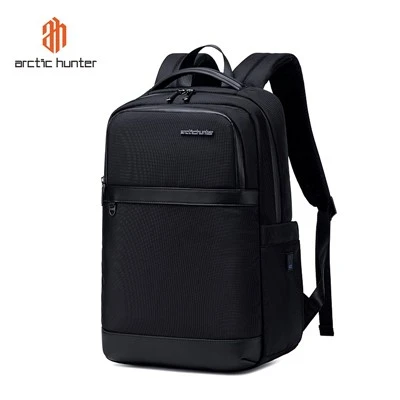
If you’re looking for a bag that works as both a travel bag and a duffel, or you have questions about which size or material is right for your needs, feel free to reach out to our team to discuss your requirements. We’ve helped hundreds of customers find the right bag for their unique use cases, and we’re here to help you too. Whether you’re planning a weekend trip, a work event, or a cross-country road trip, we can match you with a bag that fits your needs, no matter what you call it.
Travel Bags References:
- “Luggage Industry Trends 2023,” Travel Goods Association
- “Material Durability Testing for Soft-Sided Bags,” International Journal of Travel Product Design, 2022
- Consumer Report: Airline Carry-On Size Policies, 2024
- “Multi-Functional Luggage: Consumer Needs and Preferences,” Journal of Retail and Consumer Services, 2023
Guangzhou Leading Wolf Leather Products Co., Ltd.
We are one of the most experienced travel bags manufacturers and suppliers in China since 2009. With a professional production team, we are able to meet the needs of the majority of our customers. We warmly welcome you to buy bulk custom made travel bags from our factory. Join our distributor recruitment program now!
Address: Floor 1-3, Building A, No. 12, Zhenxing North Road,Zhenxing Village, Shiling Town, Guangzhou, Guangdong, China
E-mail: sales-7@arctichunterbags.com
WebSite: https://www.arctichunter.com/
