If you’ve ever shopped for a wide-format printer for apparel, custom goods, or promotional items, you’ve probably faced a common fork in the road: sublimation printer vs. laser printer. As someone who’s been supplying sublimation printers for small businesses, custom decor shops, and apparel brands for years, I’ve fielded dozens of questions about this exact comparison. Most of the time, it’s not a case of one being “better” overall—it’s about what you’re trying to make, how much you value color vibrancy, and what long-term costs fit your workflow. Let’s break this down plainly, no tech jargon, just real talk from someone who works with these machines every day. Sublimation Printer
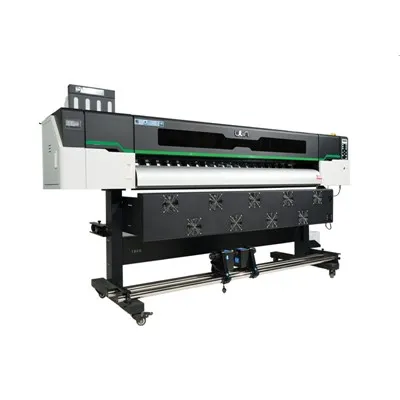
First, let’s start with the basics: how each works, because their core mechanisms are where almost all their differences stem from. A laser printer uses toner, which is a dry powder made of plastic, pigment, and iron oxide. The process goes like this: a corona charge inside the printer transfers the toner onto a rotating drum, then that drum presses the toner onto paper. Finally, heated fuser rollers melt the plastic in the toner so it sticks permanently to the page. It’s fast, it’s reliable for plain paper, and it’s been the standard for office printing for decades.
A sublimation printer? It’s a whole different animal. Instead of toner, it uses sublimation ink—a water-based mix of dyes that turn from solid to gas (sublimate) when heated, without melting into a liquid. The printer prints your design onto a special transfer paper with these inks, then you take that paper, press it onto a substrate coated for sublimation (think polyester fabric, mugs, phone cases, or metal plaques) with a heat press set to 380–400 degrees Fahrenheit. The heat turns the ink gas, which bonds directly to the substrate’s molecules, leaving no layer on top. That’s a huge point most casual buyers miss.
Now, let’s talk about the big stuff that matters to your business: print quality. If you’re printing text, black-and-white documents, or simple logos on plain paper, a laser printer will hold its own—and even come out on top. Text is sharp, edges are crisp, and black ink is deep and solid, no blurring even if you’re cranking out 50 pages an hour. But color? That’s where sublimation takes the lead for custom, vibrant work. Sublimation produces seamless, photo-realistic colors that look like they’re part of the material, not sitting on top. A laser printer’s color toner is limited in its color gamut—you won’t get the neon brights, soft gradients, or exact shade matches that sublimation can pull off, especially on textiles or curved hard goods. For example, a neon pink logo for a brand jersey? Laser toner will turn it a washed-out pastel; sublimation will get that bright, true neon you want your customers to notice.
Durability is another huge factor, especially if your products are going to be used and washed. Laser prints can crack, fade, or peel over time if exposed to frequent washing, sunlight, or high temperatures. The plastic toner layer can chip if you run a mug through the dishwasher a few times, or a shirt through the dryer. Sublimation prints? They’re permanent because the ink is bonded directly to the substrate. A sublimated shirt will survive dozens of washes without fading, and a sublimated mug won’t peel the design even after a year of daily use. That’s a massive selling point for any business selling goods that need to hold up to regular use.
Speed and volume—these are where laser printers often shine for office use, but they’re not always better for custom orders. A mid-range laser printer can print 30–50 pages per minute, which is ideal for bulk office docs. But sublimation printers aren’t built for plain paper; they’re built for transfer paper and custom substrates. For small runs (1–10 shirts, 5–10 mugs), a sublimation workflow is actually faster once you have your heat press set up—you don’t have to wait for toner to dry, and the process is straightforward for custom jobs. For ultra-large bulk runs, laser might have a slight edge, but if you’re doing custom work (changing designs per order, adding names to shirts), sublimation is far more flexible. You can print a full design for one customer’s jersey, a custom dog tag for another, and a mug for a third, all in a single print run without reconfiguring the machine, whereas a laser printer would take longer to swap out toner for different color jobs or adjust settings for non-paper substrates.
Cost is the part that trips up a lot of new buyers. Let’s break it down upfront, no hidden fees. The initial machine cost: entry-level laser printers are cheap, often $100–$500 for a basic home or small office model. Entry-level sublimation printers start around $600, and mid-range professional models go up to $2,000 or more. But don’t stop at the machine—look at the long-term supplies. For laser printers, toner cartridges are expensive, especially for color models. A high-yield color toner cartridge might cost $50–$100, and it only prints 1,000–2,000 pages. If you’re printing a lot of color, those costs add up fast. Sublimation supplies: transfer paper is cheaper at around $0.10–$0.50 per sheet, and sublimation ink is often refillable or comes in bulk sets that last for thousands of prints. For a custom apparel business, I’ve seen clients switch to sublimation and cut their printing supply costs by 30–40% within the first six months, even with the higher initial machine cost.
Also, don’t forget compatibility. Laser printers only work with toner, and they’re limited to plain paper and some specialty paper (like glossy photo paper) that’s designed to handle toner fusing. If you want to print on polyester fabric, ceramic mugs, acrylic, or metal, a standard laser printer won’t do that—you need a specialized laser model, but even then, the results are far worse than sublimation. Sublimation printers are built specifically for those coated substrates, and they work with a huge range of products: apparel, home decor, promotional items, small signage, and more. The only thing sublimation won’t work with? Cotton fabric, untreated wood, or any substrate that doesn’t have a polyester coating. If you want to print on 100% cotton, you’d need a different process like screen printing, but that’s a whole other conversation.
Wait, let’s address a common myth: some people think sublimation is only for small businesses, but that’s not true. We supply sublimation printers to large brands, too—they use them for short-run custom products, limited-edition lines, and personalized items that laser can’t replicate. And laser printers aren’t dead; they’re still the best choice for offices, bulk text printing, and simple, high-volume color jobs where color vibrancy isn’t the top priority.
So who should choose which? If you’re an office manager printing memos, reports, and basic documents, laser is the way to go. It’s fast, low-cost for your average use, and reliable. If you’re a custom apparel shop, home decor maker, promotional item supplier, or anyone selling products with custom, vibrant, permanent designs? Sublimation is the clear choice. It’s more versatile for the products that are driving revenue for small businesses, and the long-term durability and lower supply costs make it a better investment.
As a sublimation printer supplier, I’ve seen clients make the wrong choice because they focused only on the initial machine cost, not their actual needs. A small startup that wants to sell custom t-shirts bought a cheap laser printer, spent more on toner for color prints, and ended up with designs that faded after a few washes. Now they upgrade to a sublimation printer, and their customer retention went up because their products hold up. That’s the real value here—not just a machine, but a solution that fits your business.
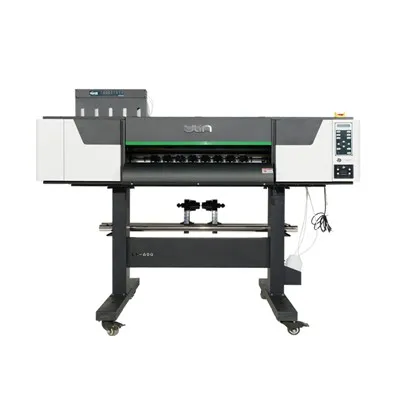
If you’re still unsure which is right for your workflow, or you’re ready to upgrade from a laser printer to something that can take your custom products to the next level, I’m here to help. We work with businesses of all sizes, from home-based crafters to mid-sized brands, and we can walk you through which model fits your order volume, product type, and budget. Reach out to connect, and let’s find the right solution for your custom printing needs.
DTF Printer References
- "Sublimation Printing vs. Laser Printing: A Comprehensive Guide for Custom Products" – Printful Industry Insights, 2023
- "Toners vs. Inks: Performance and Cost Comparison for Commercial Printers" – International Data Corporation (IDC), 2024
- "Permanent Print Technologies: Durability and Color Gamut Analysis" – Journal of Digital Printing Technology, 2022
- "Small Business Printing Workflows: Cost-Benefit Analysis of Sublimation and Laser Systems" – U.S. Small Business Administration (SBA) Office of Innovation, 2023
Hangzhou Yulan Technology Co., Ltd.
Hangzhou Yulan Technology Co., Ltd. is one of the most professional sublimation printer manufacturers and suppliers in China. With abundant experience, we warmly welcome you to wholesale the newest sublimation printer in stock here from our factory. Good service and quality products are available.
Address: Building, No.128 Rihui Road, Linping District, Hangzhou, China.
E-mail: ulinprint@gmail.com
WebSite: https://www.ulinprinter.com/
