Hey everyone, it’s Jake here from the textile hot air blowing equipment team—you know, the folks who keep those big, loud (but totally necessary) hot air dryers running smoothly for factories. Lately, I’ve been getting so many DMs and calls from new textile plant owners asking the same question: “What even are the actual safety rules for these hot air blowers? I don’t wanna blow up my whole workshop, y’know?” Fair enough—hot air and fabric dust? That’s a recipe for disaster if you skip the safety basics. Let’s break this down like I would over a coffee with a plant supervisor, no stuffy jargon, I promise. Textile Hot Air Blowing

First off, let’s get real about what these machines do. Textile hot air blowing equipment isn’t just some fancy hair dryer for fabric. It’s pumping hundreds of cubic feet of hot air (usually between 120°C and 200°C, depending on the fabric—think cotton needs way less heat than synthetic polyester) through nozzles to dry, set dye, or even finish fabric after washing. The problem? Textile factories are basically floating in fine lint, right? That lint is super flammable, and combine it with a machine that’s cranking out hot air? You’ve got a potential fire hazard waiting to happen. So the first safety rule isn’t even about the machine itself—it’s about the air around it.
Let’s start with the big one: ventilation. I can’t tell you how many times I’ve walked into a small factory where the hot air blower is crammed in a corner with zero exhaust. The OSHA (Occupational Safety and Health Administration) and NFPA (National Fire Protection Association) rules here are specific: you need at least 6 air changes per hour in the area where the blower is running. That means having exhaust vents that suck out all that lint-laden hot air before it builds up. We actually engineered our latest line of hot air blowers with built-in venting ports that hook straight into your factory’s existing exhaust system—no extra rigging needed, and that’s not a sales pitch, it’s actual safety advice I give every client. Also, make sure the blower isn’t right next to fabric rolls or storage bins. I’ve seen guys stuff fabric within 1 foot of the nozzle because they wanted to save space—don’t do that. The minimum clearance should be at least 3 feet, per NFPA 70, the electrical code for industrial machinery.
Next up: heat monitoring. These machines can get way too hot if they’re left running unattended, especially if the air filter is clogged. That’s why every industrial hot air blower needs two separate temperature sensors—one right at the nozzle, and another inside the heating chamber. If the temp spikes above your set point (say, 180°C for a polyester setting), the sensor should automatically shut off the heater, not just an alarm. A lot of cheap used blowers skip this, which is why we insist all our equipment comes with redundant safety sensors—if one fails, the other kicks in. Also, daily temp checks aren’t optional. We train our clients to do a 5-minute pre-start check every morning: verify the sensors, make sure the display matches the actual temp with a handheld thermometer, that sort of thing. Small mistake here can lead to a melted fabric batch or worse.
Lint management—this is the unsung hero of textile blower safety. Like I said, lint is flammable as hell, and it builds up fast in the filters, ducts, and even inside the blower housing. OSHA requires that you clean the lint filters every 4 hours during a shift, and do a deep clean of the blower’s ductwork once a week. Wait, 4 hours? Yeah, I know that sounds frequent, but think about it—if lint clogs the filter, the air can’t circulate, so the heating element overheats. We designed our filters to be quick-release, so a worker can yank them out, tap the lint off, and pop them back in in 30 seconds—no tools needed, no downtime. Also, lint collection bins need to be non-combustible metal, not plastic or cardboard. And empty them at the end of every shift, not when they’re full to the brim. That’s such a simple step but you’d be shocked how many factories skip it.
Electrical safety—don’t sleep on this. These machines draw a lot of power—our standard 100kW blower runs on 480V, three-phase power. If your factory’s wiring is old or too small, that’s a fire risk too. The NEC (National Electrical Code) says you need to size the wiring at least 125% of the blower’s maximum amperage, and have a dedicated circuit for the hot air blower—no sharing with other machinery. Also, all electrical connections need to be in a sealed, explosion-proof enclosure. Why? Because if there’s a small lint fire, you don’t want sparks from loose wiring setting the whole thing off. We pre-wire all our equipment with explosion-proof components specifically for textile environments, so clients don’t have to worry about retrofitting later.
Operator training—this is probably the most important one, and it’s the one I see factories mess up all the time. I’ve been doing this for 8 years, and I’ve seen a new worker with 1 day of training accidentally leave the blower on overnight, leading to a small fire. OSHA requires that every operator is formally trained on the specific hot air blowing equipment they’re using, and gets a refresh every year. What does that training cover? Not just how to turn the machine on and off, but how to recognize when the sensor is failing, how to check for clogged filters, what to do if the temp alarm goes off (step 1: hit the emergency stop, step 2: shut off the heater, step 3: ventilate the area, step 4: call maintenance, not try to fix it yourself). We include free on-site training for every client that buys our equipment, because I’d rather spend 4 hours training a team than get a call at 2 a.m. about a blown-up blower. Also, make sure there are clear emergency stop buttons within arm’s reach of the operator station, and they’re labeled in big, red letters—no hiding them behind fabric rolls.
Wait, what about maintenance? I can’t leave that out. It’s not just about operating the machine, it’s about keeping it in good shape. NFPA says industrial hot air blowers need a full professional inspection every 6 months. That includes checking the heating elements for damage, testing the temperature sensors, cleaning the internal ductwork, and making sure the ventilation system is working right. We offer discounted maintenance packages for our clients, because we know how busy factory teams are—they don’t have time to schedule a third party to come check the blower. Also, replace worn parts before they fail. A lot of guys wait for a sensor to break before replacing it, but that’s just asking for trouble. We send our clients a maintenance calendar with reminders to change filters, check parts, and schedule inspections—we’re basically the safety sidekick to their team.
Oh, and one more thing—smaller workshops, don’t think you can skip these rules because you’re not a huge factory. I’ve got clients with 2-person operations running our compact hot air blowers, and they still have to follow all the same safety rules. The lint is still there, the heat is still hot, the risks are the same no matter the size. I had a small factory owner in North Carolina call me last year saying he thought the rules were “for big guys only” and he ended up with a lint fire that burned through half his fabric inventory. That’s a $20k mistake he’ll never make again, and it all could’ve been avoided by following basic safety steps.
Let me wrap this up real quick, because I don’t wanna bore you with all the regulations, but the takeaway is this: safety for textile hot air blowing equipment isn’t about following random rules—it’s about protecting your team, your inventory, and your business. If you’re in the market for new hot air blowers, don’t just go for the cheapest one on Alibaba. Look for ones with built-in safety features (redundant sensors, quick filters, explosion-proof wiring), and make sure the supplier can help you set up a safety plan for your workshop.
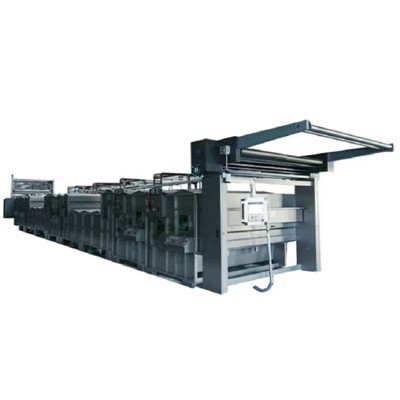
If you’re a plant manager, a maintenance lead, or just someone who’s dealing with these machines and has questions about safety, hit me up. I’m here to help, no sales pitch (well, okay, maybe a little—we make these machines for a reason, and we’re good at keeping them safe). But mostly, I just wanna make sure no one has to go through that same scare that small factory owner in NC did.
Stenter Machine References
- Occupational Safety and Health Administration (OSHA). 29 CFR 1910.106 – Flammable and Combustible Liquids. U.S. Department of Labor, 2023.
- National Fire Protection Association (NFPA). NFPA 70: National Electrical Code. NFPA, 2024.
- National Fire Protection Association (NFPA). NFPA 70B: Recommended Practice for Electrical Equipment Maintenance. NFPA, 2023.
- Occupational Safety and Health Administration (OSHA). 29 CFR 1910.94 – Ventilation, Exposure Control, and Industrial Hygiene. U.S. Department of Labor, 2022.
- American National Standards Institute (ANSI). ANSI/NFPA 2113: Standard for Fire Safety for Garments. ANSI, 2021.
Jiangsu Feng Te Technology Co., Ltd.
We’re well-known as one of the leading textile hot air blowing manufacturers in China. With a professional production team, we are able to meet the needs of the majority of our customers. Please rest assured to buy discount textile hot air blowing for sale here from our factory.
Address: No. 4 Zhanghong Road, Siying Industrial Park, Lianyungang City, Jiangsu Province, China
E-mail: frentejenny@foxmail.com
WebSite: https://www.jsfrente.net/
