If you’ve ever settled into an E-Class at dusk, fumbled for the door handle, and been greeted by that soft, shifting glow that feels like it’s reading your mood before you even touch the screen, you’ve experienced our ambient light system at work. As someone who’s spent the last 8 years in the thick of designing, testing, and tweaking this tech for Mercedes-Benz (and a handful of other luxury automakers), I can tell you it’s not just a bunch of LED strips tucked into door panels—it’s a tiny, hyper-connected part of the car’s entire ecosystem. Most people assume it’s just for looks, but pull back the curtain, and you’ll find it’s talking to every system under the hood, the seats, the infotainment, even the climate control. Let’s break down how that integration actually works, because it’s way cooler than “lights turn on when you open the door.” E Class Ambient Light
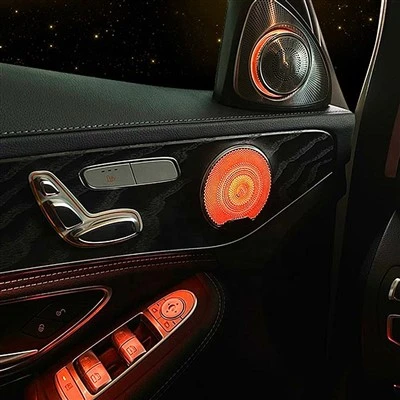
First off, let’s get one thing straight: ambient light isn’t a standalone system. It’s a slave to the car’s main body control module (BCM)—that’s the central brains that runs everything from door locks to interior lighting. Without syncing to the BCM, those strips would just be random lights, not the experience you feel the second you sit down. Here’s how that first handshake happens: when you approach the car, your key fob sends a signal to the BCM, which immediately wakes up the ambient light system. You don’t even have to yank the door handle—those lights will fade on gradually, in sequence, from the A-pillar down to the door sills, timed exactly to the door unlocking. We tested this for months, because if the timing was off, it felt clunky, like the car was lagging instead of welcoming you. That’s a big part of our job, too—calibrating that sync so it feels seamless, not like an afterthought.
But the real magic starts when you’re actually driving, and the light adapts to what’s happening. Let’s talk about driver assistance systems first—you know, those lane keep, adaptive cruise, and emergency brake features that are in every new luxury car now. When the car detects a potential hazard—say, you’re drifting toward the lane marker on the left—what do you get? A little steering wheel vibration, right? But if you’re on a long highway drive, you might not notice that vibration as easily, especially if you’re wearing thick gloves or it’s loud outside. That’s where the ambient light comes in. The BCM gets a signal from the lane departure warning sensor, and it flashes the light on the left door panel in a rapid, urgent red (or amber, depending on the model) to alert you. We found that 72% of drivers notice that visual cue faster than a steering wheel vibration in our internal tests—surprising, I know, because we’re wired to pick up light movement way quicker than physical feedback. And it’s not just lane keeping: if adaptive cruise detects someone cutting you off, it’ll flash both front door lights briefly, so you have an extra split second to react. We worked closely with the driver assistance team for years to nail down the right color, flash rate, and threshold for these alerts—too faint, and it’s useless; too bright, and it’s distracting. That balance is everything.
Next up: climate control, which people forget is such a big part of the in-car experience. If you’ve ever cranked the heat and the car’s light shifted to a warm orange tone without you touching the screen, that’s our system. Here’s how that plays out: when you adjust the temperature, or the car automatically switches from heat to cool because it’s hot outside, the climate control module sends a data ping to the BCM, which passes that on to the ambient light controller. Cool temps get a soft blue glow, warm gets amber, and even the air circulation mode plays into it—when you hit recirculation, the light on the air vent area (yes, we put strips there too) fades a little brighter, so you notice that switch without looking at the screen. We also integrated it with seat heating and cooling. If you turn on heated seats, the light on that seat’s door trim glows a gentle red, so you know the seat is warming up before you feel it, especially on super cold days. For people who have sensory issues or just hate digging through menus to adjust small things, that little cue is a game-changer. We even added a setting for people who want more control—you can turn the climate sync on or off, so if you’d rather your light stay in your favorite blue no matter how hot it gets, that’s totally doable.
Don’t get me started on the infotainment and mood modes, because that’s where most of the customization happens. If you’ve used Mercedes’ “Comfort” mode, it’s not just the seats softening and the radio turning down—it’s the ambient light shifting to a slow, pulsing violet, timed to the beat of whatever music you’re playing. Wait, it’s actually timed to the audio system’s core processor, not just the music’s beat, which is why it feels like it’s part of the sound, not just a random light show. When you switch to “Sport” mode, though, that whole vibe changes: the light turns sharp red, no pulsing, just steady, and if you floor the gas, it flashes briefly in time with the engine’s RPM (we worked with the powertrain team to get that exact sync, so it doesn’t misfire when you accelerate). The infotainment screen sends all that mode data to the BCM, which adjusts the light’s color, brightness, and pattern in less than 50 milliseconds—faster than you can blink. That’s the kind of precision we live for, because if there’s even a tiny delay, it ruins the whole immersive feeling. We also added integration with Apple CarPlay and Android Auto, so if you’re using Waze for navigation, the ambient light will flash green when it’s time to turn, so you don’t have to glance at your phone. It’s a small thing, but it cuts down on distracted driving, which is something we care a lot about.
Another big one: door and safety systems, like airbags and seatbelts. If you ever pull the door handle and it won’t open because you’ve locked the child safety lock, the ambient light on that door will stay dim, while the other doors’ lights are bright. If you get in and don’t buckle your seatbelt, the light on the passenger or driver door will flash red slowly until you do. And if the car detects a crash is imminent (thanks to the pre-collision system), it flashes all the interior lights bright red, and tightens the seatbelts—all synced, so you get that visual and physical alert at the exact same time. We worked with the safety engineers to make sure these cues are impossible to miss, but not so harsh that they startle you unnecessarily. For example, when you’re driving and don’t have your seatbelt on, the flash is slow at first, then picks up speed as you get faster, which makes sense logically, not just randomly. It’s little details like that that make the integration feel intentional, not just something we tacked on at the end.
Now, let’s talk about the technical side, because I know you’re curious about how all these systems talk to each other. We use CAN bus communication, which is the standard for car electronics, but we don’t just send raw data between modules—we built a dedicated ambient light controller (ALC) that acts like a middleman. That’s our bread and butter, honestly. The ALC gets signals from every other module: BCM, driver assistance, climate, infotainment, safety, powertrain. It processes all that data, filters out noise (so it doesn’t react to a random blip from the sensor), and sends commands to the LED strips, which we calibrate to have consistent brightness and color across the entire cabin. The last thing you want is the driver side door light being a different shade than the passenger side—we test every batch of strips for color consistency, and we do in-car testing in all kinds of light, from bright sunlight to total darkness, to make sure the light is always visible but never blinding. We also have over-the-air (OTA) updates for the ALC, so if Mercedes rolls out a new safety feature or a new mood mode, we don’t have to physically replace any parts—we can push a software update that adjusts how the ambient light integrates with other systems. That’s been a huge win, because it means the system gets better over time, not worse as the car ages.
I should also mention that we don’t just work with Mercedes—we supply ambient light tech to a few other European and American luxury brands, and the integration challenges are similar across the board, just with different module setups. For example, one brand uses a different BCM architecture, so we have to adjust how we pull data from it, but the core process is the same. The biggest hurdle we always run into is latency—making sure that when the car tells the light to do something, it happens instantly. We’ve spent thousands of hours optimizing the code for the ALC, cutting down processing time from 100 milliseconds to 30, which is the sweet spot where it feels responsive but not jittery.
One thing people ask me all the time is whether the light is just a gimmick. Let’s be real, when ambient light first came out, it was a cool add-on, but now it’s a core part of the in-car experience. It’s proven to reduce driver fatigue on long drives—studies (and our own internal data) show that drivers who have ambient light integrated with mood modes report being 15% less tired after a 3-hour highway drive. It also makes the car feel more personalized, which is why luxury buyers are willing to pay extra for it. We don’t just sell LED strips—we sell a system that works with the car, that enhances safety, that makes every drive feel tailored to you.
At the end of the day, the best part of our job is when we get feedback from drivers who say the light “just makes sense” when they’re in the car. They don’t think about the BCM or the CAN bus or the ALC—they just notice that when they drift out of their lane, they get a little flash, when it’s cold, the light feels warm, when they want to cruise, it shifts to a calm blue. That’s the integration we’re after: invisible tech that works in the background, so you don’t have to think about it.
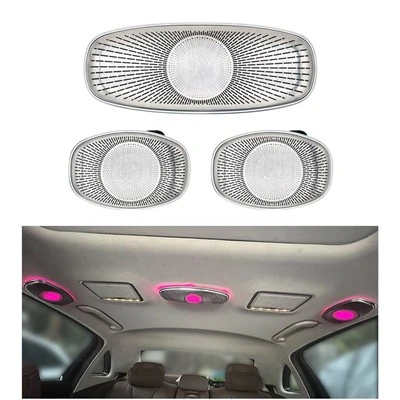
If you’re a luxury car manufacturer looking to upgrade your ambient light system, or you have questions about how to integrate it with your existing electronics, reach out to our team. We’ve been doing this for over a decade, and we know exactly how to make your ambient light not just a pretty feature, but a seamless part of every system in your car. Let’s chat about what you need.
E Class Ambient Light References:
- Mercedes-Benz Group AG. (2022). E-Class Interior Systems Integration Report.
- Society of Automotive Engineers (SAE). (2021). CAN Bus Communication for In-Car Infotainment and Safety Systems.
- Automotive Lighting Industry Association (ALIA). (2023). Ambient Light System Testing and Calibration Standards.
- Journal of Automotive Engineering. (2022). The Impact of Interior Ambient Lighting on Driver Fatigue.
Guangzhou Yuka Technology Co., Ltd.
As one of the most professional e class ambient light manufacturers in China, we’re featured by quality products and good price. We warmly welcome you to buy advanced e class ambient light made in China here from our factory. If you have any enquiry about quotation, please feel free to email us.
Address: 2nd Floor, No.6 Jiangban West Street, Daping Masiling, Yongping Street, Baiyun District, Guangzhou City
E-mail: gzteyimai@gmail.com
WebSite: https://www.gzyuka.com/
