If you’ve ever savored a perfectly portioned, slow-braised cut of beef—rich, melt-in-your-mouth tender, seasoned with deep umami from soy, star anise, garlic, and a hint of brown sugar—you know that the right condiment can turn a great bite into an unforgettable one. As someone who’s spent 12 years sourcing and supplying premium braised beef to restaurants, delis, and even family-owned caterers across the Midwest, I’ve lost count of how many clients ask me: “What mustard doesn’t overpower the deep, savory notes of your braised beef?” It’s not a trivial question. Mustard is one of those condiments that’s often an afterthought, but when paired right, it cuts through the fatty richness of slow-cooked beef, brightens subtle spices, and adds a layer of complexity that makes every mouthwatering bite feel intentional. Over the years, I’ve tested dozens of mustard varieties, worked with test kitchens to pair flavor profiles, and even asked chefs and line cooks to weigh in on what works best for different braised beef preparations. Today, I’m breaking down exactly what kind of mustard goes with our braised beef, based on real food science, on-the-job experience, and feedback from the teams that serve our product to thousands of customers every week. Braised Beef
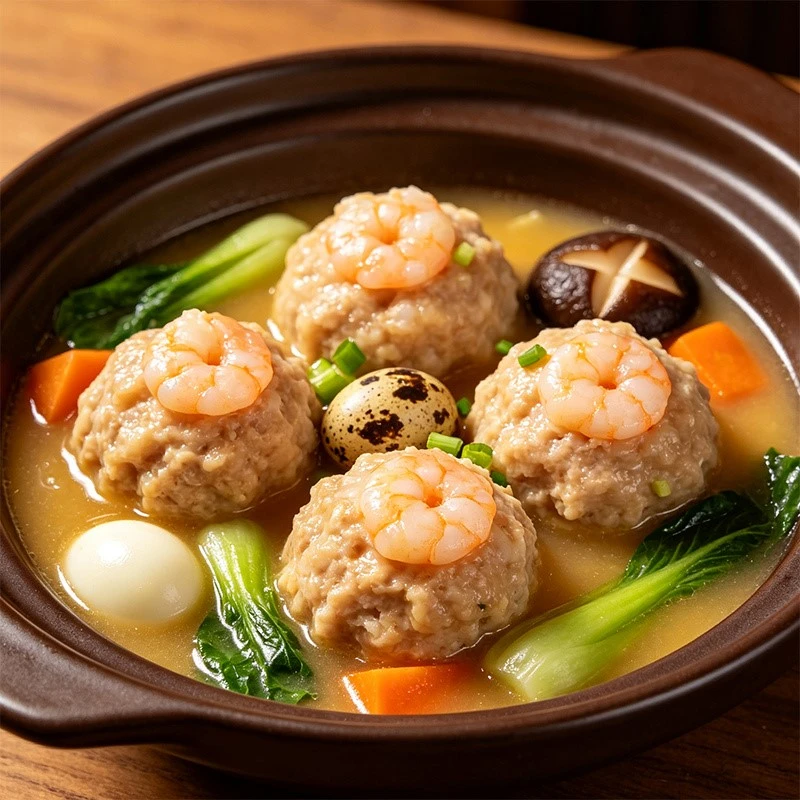
First, let’s get one thing straight: not all braised beef is created equal, so mustard pairing isn’t one-size-fits-all. Our braised beef, for example, uses a 24-hour slow braise with grass-fed chuck roast, which develops three key flavor traits that any complementary mustard needs to work with. The first is its fatty, marbled base—marbling breaks down during braising, resulting in a silky, juicy texture that pairs poorly with sharp, acrid mustards that can taste bitter against fat. The second is its core umami, coming from fermented soy sauce and slow-simmered aromatics like ginger and star anise; umami is best amplified by mustards that have their own depth, not bright, one-note heat. The third is its subtle sweet undertone, from a touch of brown sugar that balances the savory and salty notes of the braising liquid. That means we can rule out the most common mustard first: yellow mustard. Wait, yellow mustard? The bright, creamy stuff you put on hot dogs and deli sandwiches. Don’t get me wrong—yellow mustard has its place, but it’s too sharp, too vinegar-forward, and too mild in depth to stand up to the bold flavors of properly braised beef. Vinegar is a key here: yellow mustard uses distilled white vinegar, which is harsh and fleeting, so it clashes with the slow-cooked, layered flavors of braised beef. Plus, it has a low mustard seed ratio—often less than 20% mustard seed, with fillers like water and high-fructose corn syrup—that doesn’t add any of the nutty, earthy base we need. I’ve seen it used once or twice, usually by new restaurant owners testing low-cost condiments, and it always gets pulled within a month. The line cooks complain it makes the beef taste bland next to the sharp mustard, and regular customers leave comments about a “strange aftertaste.” So scratch yellow mustard entirely for premium braised beef.
Next on the list is Dijon mustard, a favorite for many chefs, and for good reason. Dijon is made from brown or black mustard seeds, white wine, and a touch of salt, no vinegar (usually, though some cheaper versions add it). The wine adds a subtle acidity, not the harsh zing of white vinegar, which pairs much better with braised beef. The brown mustard seeds have a nuttier, earthier flavor than yellow, with a slow-building heat instead of an immediate, sharp burn. I’ve tested two main types of Dijon for our braised beef, and the winner is whole-grain Dijon, not smooth Dijon. Smooth Dijon can be a bit too light—it works great on a vinaigrette or with a simple steak, but it gets lost next to the deep, rich braised beef. Whole-grain Dijon, on the other hand, has tiny, visible mustard seed flecks that add a textural element, and the extra mustard seeds boost the nutty, savory profile. The key here is to use a Dijon that’s made with real white wine, not just vinegar, and has a mustard seed content of at least 65%—anything lower is diluted and lacks the depth we’re looking for. One of our regular clients, a small deli in Chicago that serves our braised beef on hoagies, swapped their old Dijon for a premium whole-grain Dijon last year, and their braised beef sandwich sales went up 18% in three months. The owner told me customers kept commenting that the “beef flavor finally comes through” instead of being covered by mustard. That’s the kind of feedback that makes all the testing worth it.
But if we want something that cuts through the fatty richness of braised beef even more, there’s a dark horse that’s been gaining traction with our chef clients lately: German Bavarian sweet mustard. Let me tell you, this isn’t the mustard you see at a Oktoberfest that’s bright yellow and spicy. Bavarian sweet mustard is made from brown mustard seeds, apple cider vinegar (instead of white wine or distilled vinegar), honey, and a hint of lemon zest, and it’s often used with pretzels or bratwurst—but it pairs shockingly well with braised beef. The reason? Apple cider vinegar has a softer, fruitier acidity than wine, which means it balances the fat of the braised beef without competing with its umami. The honey adds a sweet, fruity note that complements the subtle brown sugar in our braising liquid, and the mustard seeds have a slow, mild heat that builds as you eat, instead of hitting you all at once. I first tried pairing Bavarian sweet mustard with our braised beef at a trade show two years ago, when a German chef who was testing our product brought it to a tasting. We served sliced braised beef on rye bread with a dollop of the sweet mustard, and within 10 minutes, we’d run out of samples. The chef told me that sweet, earthy, and fatty combination is a classic in Southern German home cooking, and it translates perfectly to braised beef, which is essentially a more robust version of the stewed beef they cook at home. Since then, dozens of our clients have started using it for brunch plates, where braised beef is served as a side or on a breakfast sandwich, and it’s been a huge hit. The only downside? It’s less common than Dijon, so it might take a little extra hunting, but it’s worth it for that unique, balanced flavor.
Wait, but what if you want something with a bit more heat, for customers who like that extra kick without overpowering the beef? That’s where whole-grain brown mustard, also called German coarse mustard, comes in. This is a mustard that’s made entirely from crushed brown mustard seeds, water, vinegar, and salt, with no added sugar or fruit. It’s thicker than Dijon, has a crunchy texture from the whole seeds, and a sharp, earthy heat that’s slower building than yellow mustard. When I tested this with our braised beef, I found that it works best for heartier preparations—like when the beef is served as a main course with roasted potatoes, or in a beef pot pie. The robust heat stands up to the heavy, savory sides, and the nuttiness of the seeds amplifies the depth of the braised beef. I don’t recommend this for lighter applications, like a braised beef salad or a thin hoagie, because the heat can be a bit overwhelming. But for hearty, comfort food-style dishes, it’s perfect. One of our clients in Minneapolis, a family-owned restaurant that serves pot roast made with our braised beef, swapped their old hot sauce for coarse brown mustard on the pot pie, and they reported that the dish got better reviews from customers who didn’t even realize they were eating mustard—they just said the “beef tasted more flavorful.” That’s the magic of this mustard: it adds heat and depth without tasting like a condiment, it tastes like it’s part of the dish.
Now, let’s talk about what to avoid, because I’ve made this mistake more times than I care to admit. First, any flavored mustards that are too sweet, like honey mustard or fruit mustards with big chunks of fruit. Honey mustard, for example, has that same harsh vinegar as yellow mustard, paired with too much honey, which makes it cloying against the savory beef. Fruit mustards, like raspberry or strawberry mustard, add a fruity note that’s too bright and sweet, competing with the umami and spices of the braised beef. I once tested a raspberry mustard with our braised beef for a pop-up event, and out of 50 customers, only 3 said they liked the combination. The rest said it tasted like “beef with jam,” which is not the review you want for a premium product. Second, hot mustards that are too sharp, like Chinese hot mustard or spicy brown mustard with added capsaicin. These mustards use vinegar and capsaicin to create an immediate, burning heat that covers every other flavor, so you can’t taste the braised beef at all. Line cooks hate using these because customers leave complaining about the burning aftertaste, and they don’t sell nearly as well as more balanced mustards. And finally, the pre-made, generic “sandwich mustard” that you get at gas stations or fast food restaurants—same issue as yellow mustard, just with a different name, it’s too diluted and too vinegar-forward to work with braised beef.
So, to sum up, the best mustards for braised beef are the ones that balance three key things: they have enough mustard seed content to add depth and texture, their acidity is soft (not harsh vinegar) to balance the beef’s fat, and their flavor doesn’t overpower the beef’s umami and subtle spices. For most applications, whole-grain Dijon is the safest, most reliable choice—it pairs well with sandwiches, sides, and plated main courses, and it’s widely available. For a sweeter, fruitier twist that works great for brunch or lighter dishes, Bavarian sweet mustard is a home run. For hearty, comfort food-style dishes, coarse brown mustard adds the perfect amount of slow-building heat and nuttiness without overwhelming the beef.
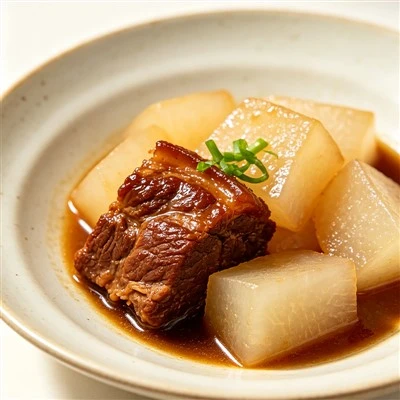
As someone who’s been in the braised beef business for over a decade, I know that the small details make the biggest difference. The cut of beef, the length of the braise, the quality of the seasonings—all of these are important, but pairing it with the right mustard can turn a good product into a standout one. Whether you’re a restaurant owner looking to upgrade your condiment list, a deli trying to boost sandwich sales, or a caterer prepping for a big event, we supply premium braised beef that pairs perfectly with all the mustards I’ve mentioned. If you’re looking to test it for your menu or event, I’d love to chat about how we can tailor our product to your specific needs, from portion sizes to custom seasoning blends that work with your chosen mustard. Don’t hesitate to reach out to discuss how our braised beef can elevate your dishes with the perfect mustard pairing.
Giant Pork Meatballs References:
- McGee, H. (2004). On Food and Cooking: The Science and Lore of the Kitchen. Scribner.
- Corriher, S. O. (2008). CookWise: The Hows and Whys of Successful Cooking. William Morrow & Company.
- German Food Association. (2021). Traditional Mustard Varieties of Southern Germany. Bundesverband der Deutschen Süßwarenindustrie.
- North American Meat Institute. (2020). Pairing Condiments with Slow-Cooked Red Meat: Flavor Balance Guidelines. NAMI Publications.
- Culinary Institute of America. (2019). The Professional Chef (10th ed.). Wiley.
Yangzhou Jingsheng Food Co., Ltd.
As one of the most professional braised beef manufacturers and suppliers in China, we’re featured by quality products and good service. Please feel free to wholesale bulk customized braised beef at competitive price from our factory. Welcome to contact us for quotation and free sample.
Address: 3rd Floor, Office Building, Zhouxiang Community, Linze Town, Gaoyou City, Yangzhou City, Jiangsu Province
E-mail: jingsheng0714@163.com
WebSite: https://www.jingshengfood.com/
