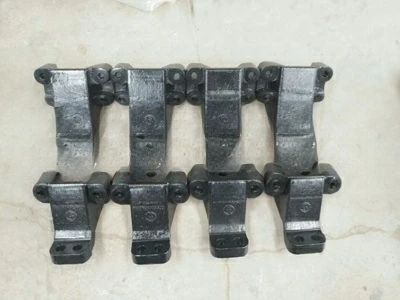
In the transportation industry, buses play a crucial role in moving people from one place to another. As a supplier of bus parts, I’ve witnessed firsthand the challenges and opportunities in dealing with old bus parts. Recycling these parts is not only an environmentally responsible choice but also a smart business strategy. In this blog, I’ll share some insights on how to recycle old bus parts effectively. Bus Parts
Understanding the Significance of Recycling Old Bus Parts
Recycling old bus parts is essential for several reasons. Firstly, it helps conserve natural resources. Many bus components, such as metals, plastics, and rubber, are derived from finite natural resources. By recycling these materials, we can reduce the need for new raw materials extraction, which in turn conserves our planet’s precious resources.
Secondly, recycling old bus parts reduces waste sent to landfills. Landfills are filling up at an alarming rate, and bus parts, which are often large and bulky, can take up a significant amount of space. Recycling these parts helps to alleviate this problem and reduces the environmental impact associated with landfill disposal.
Finally, recycling can be a profitable venture. Reconditioning and selling recycled bus parts can provide a new revenue stream for bus parts suppliers and other stakeholders in the transportation industry. It also offers cost – effective alternatives for bus operators looking to maintain their fleets on a budget.
Types of Old Bus Parts That Can Be Recycled
1. Metal Parts
Buses contain a large amount of metal, including steel, aluminum, and copper. Engine blocks, chassis frames, and body panels are made of steel, while radiator cores and some engine components are often made of aluminum. Copper can be found in wiring harnesses and electrical components.
These metal parts can be recycled through a process called smelting. In smelting, the metal is heated to a high temperature to separate it from other materials and impurities. Once purified, the metal can be reused to make new products, including new bus parts.
2. Plastic Parts
Plastic parts in buses, such as interior trim panels, dashboard components, and some electrical housings, can also be recycled. There are different types of plastics used in buses, and each type requires a specific recycling process.
Some plastics can be melted down and re – molded into new plastic products. For more complex plastics, chemical recycling techniques may be required to break them down into their original monomers, which can then be used to make new plastics.
3. Rubber Parts
Rubber is used in various bus components, such as tires, seals, and gaskets. Recycling rubber parts is a bit more challenging due to the cross – linked structure of the rubber. However, it is still possible.
One common method of recycling rubber is through a process called devulcanization. In devulcanization, the cross – links in the rubber are broken, making the rubber more pliable and easier to re – process. The recycled rubber can then be used to make new rubber products, such as new tires or rubber mats.
4. Engine Components
Engine components, such as pistons, cylinders, and crankshafts, can often be reconditioned and reused. Instead of scrapping these parts, they can be cleaned, machined, and inspected to ensure they meet the required specifications. Reconditioned engine components can offer a cost – effective alternative to new parts for bus operators.
Steps to Recycle Old Bus Parts
1. Collection and Sorting
The first step in recycling old bus parts is to collect them from various sources. As a bus parts supplier, I work closely with bus operators, repair shops, and scrapyards to obtain old bus parts. Once the parts are collected, they need to be sorted by material type and component. This sorting process is crucial as it ensures that each type of material is sent to the appropriate recycling facility.
2. Cleaning and Inspection
After sorting, the parts need to be cleaned to remove dirt, grease, and other contaminants. This cleaning process can use different methods, such as pressure washing, chemical cleaning, or ultrasonic cleaning. Once cleaned, the parts are inspected to determine their condition. Parts that are in good condition can be reconditioned, while those that are severely damaged may need to be recycled into raw materials.
3. Reconditioning or Recycling
For parts that are in good condition and can be reconditioned, the next step is to repair and refurbish them. This may involve replacing worn – out components, machining surfaces to the correct specifications, and repainting. Reconditioned parts are then tested to ensure they function properly before being put back on the market.
For parts that cannot be reconditioned, they are sent to recycling facilities. As mentioned earlier, different materials require different recycling methods. Metal parts are sent to smelters, plastic parts are sent to plastic recycling plants, and rubber parts are sent to rubber recycling facilities.
4. Marketing and Sales of Recycled Products
Once the parts are reconditioned or recycled into new products, the next step is to market and sell them. As a supplier, I use various marketing channels, such as online platforms, industry trade shows, and direct sales to bus operators and repair shops. By promoting the benefits of recycled bus parts, such as cost savings and environmental friendliness, I can attract more customers.
Challenges in Recycling Old Bus Parts
While recycling old bus parts offers many benefits, there are also several challenges that need to be overcome.
1. Technological Limitations
Some bus parts, especially those made of advanced materials or with complex designs, may be difficult to recycle using current technologies. For example, some high – performance plastics and composite materials used in modern buses require more advanced recycling techniques that are not yet widely available.
2. Regulatory Hurdles
There are many regulations governing the recycling of bus parts, especially when it comes to environmental and safety standards. Complying with these regulations can be time – consuming and costly, especially for small – and medium – sized recycling facilities.
3. Quality Assurance
Ensuring the quality of recycled bus parts is of utmost importance. Reconditioned parts need to meet the same safety and performance standards as new parts. However, maintaining quality control can be challenging, especially when dealing with a large volume of parts from different sources.
Solutions to the Challenges
1. Investing in Research and Development
To overcome technological limitations, it is essential to invest in research and development. By working with universities, research institutions, and other industry players, we can develop new recycling technologies and processes for advanced bus materials.
2. Collaborating with Regulatory Bodies
To deal with regulatory hurdles, bus parts suppliers and recycling facilities should collaborate closely with regulatory bodies. By providing input on regulations and working together to develop more practical and effective standards, we can ensure that the recycling process is both environmentally friendly and economically viable.
3. Implementing Strict Quality Control Measures
To ensure the quality of recycled bus parts, strict quality control measures should be implemented. This includes thorough inspection and testing of parts at every stage of the recycling and reconditioning process. By providing warranties and after – sales support, we can build trust with our customers.
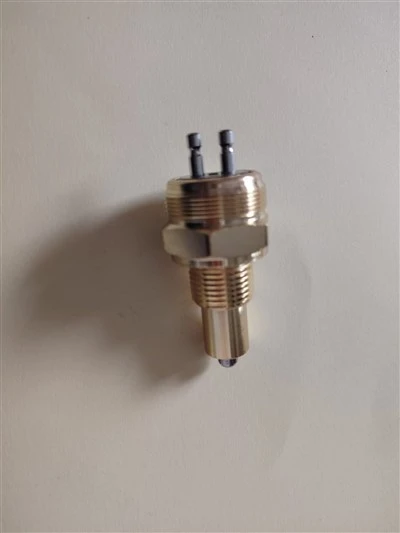
As a bus parts supplier, I’m committed to promoting the recycling of old bus parts. Recycling is not only good for the environment but also makes good business sense. By offering high – quality recycled and reconditioned bus parts, we can provide cost – effective solutions for bus operators while reducing our environmental impact.
Sinotruck Parts If you’re in the market for reliable bus parts, whether new, recycled, or reconditioned, I invite you to contact us to discuss your specific needs. We have a wide range of bus parts available and can offer expert advice on the best options for your fleet. Let’s work together to build a more sustainable transportation future.
References
- "Handbook of Recycling: State of the Art in Reduce, Reuse and Recycle." Editors: Ilhan Yildirim, Mark Scheinberg.
- "The Business of Sustainable Transportation." Authors: Various industry experts.
Jinan Hong’an Machinery Parts Co., Ltd.
As one of the most professional bus parts manufacturers and suppliers in China, we offer a wide range of products with superior quality. With abundant experience, we warmly welcome you to buy high quality bus parts for sale here from our factory. For price consultation, contact us.
Address: Quanli Heavy Truck Parts City, No. 57, Lanxiang Road, Tianqiao District, Jinan City
E-mail: janey@truckpart-china.com
WebSite: https://www.truckpart-china.com/
