A Hipot tester, also known as a high potential tester, plays a crucial role in ensuring the safety and reliability of electrical products on the production line. As a leading Hipot tester supplier, I’ve witnessed firsthand how these devices can streamline operations, enhance quality control, and safeguard both products and users. In this blog post, I’ll share valuable insights on how to effectively use a Hipot tester in a production line setting. Hipot Tester
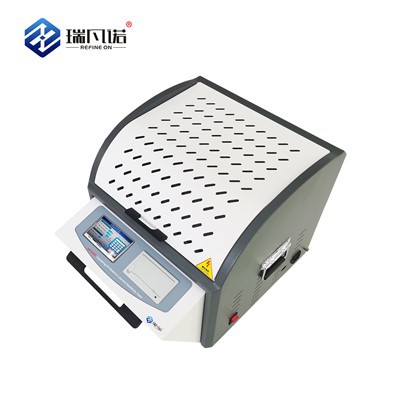
Understanding the Hipot Tester
Before delving into its practical application, it’s essential to grasp the fundamental principles of a Hipot tester. At its core, a Hipot tester is designed to apply a high voltage to an electrical device for a specified duration to detect insulation weaknesses and potential electrical hazards. By subjecting the device to an elevated voltage, any insulation breakdown or leakage current can be identified, allowing manufacturers to rectify issues before the product reaches the market.
There are several types of Hipot tests, including dielectric withstand tests, insulation resistance tests, and ground bond tests. Each test serves a specific purpose and provides valuable information about the electrical integrity of the device under test. For instance, a dielectric withstand test assesses the ability of the insulation to withstand a high voltage without breaking down, while an insulation resistance test measures the resistance of the insulation material to the flow of electrical current.
Preparing for Hipot Testing on the Production Line
Proper preparation is key to ensuring accurate and reliable Hipot testing results. Here are some essential steps to take before conducting Hipot tests on the production line:
Select the Appropriate Hipot Tester: Choose a Hipot tester that meets the specific requirements of your production line, including the voltage range, test time, and current measurement capabilities. Consider factors such as the type of products being tested, the production volume, and the available power supply.
Calibrate the Hipot Tester: Regularly calibrate your Hipot tester to ensure accurate and consistent test results. Calibration should be performed by a qualified technician using traceable standards.
Train Operators: Provide comprehensive training to production line operators on how to use the Hipot tester safely and effectively. Operators should be familiar with the test procedures, safety precautions, and troubleshooting techniques.
Prepare the Test Environment: Ensure that the test environment is clean, dry, and free from any sources of electrical interference. The test area should be well-ventilated to prevent the buildup of heat and humidity.
Inspect the Test Fixture: Check the test fixture for any signs of damage or wear. Ensure that the test leads are properly connected and that the test electrodes are clean and in good condition.
Conducting Hipot Tests on the Production Line
Once you’ve prepared for Hipot testing, it’s time to conduct the tests on the production line. Here are the general steps to follow:
Set Up the Test Parameters: Configure the Hipot tester according to the specific test requirements, including the test voltage, test time, and current limit. Refer to the product specifications and safety standards for guidance on the appropriate test parameters.
Connect the Device Under Test (DUT): Connect the DUT to the Hipot tester using the appropriate test leads and electrodes. Ensure that the connections are secure and that there are no loose wires or exposed conductors.
Initiate the Test: Start the Hipot test and monitor the test results. The Hipot tester will display the test voltage, current, and any fault indications. If the test fails, the Hipot tester will automatically shut off the voltage and provide a fault indication.
Record the Test Results: Record the test results for each DUT, including the test voltage, test time, current measurement, and pass/fail status. This documentation is essential for quality control purposes and can be used to track the performance of the production line over time.
Troubleshoot Failed Tests: If a DUT fails the Hipot test, it’s important to troubleshoot the issue to determine the root cause. This may involve inspecting the DUT for visible damage, checking the test fixture and connections, and repeating the test. If the issue persists, the DUT may need to be further investigated or repaired.
Safety Considerations
Hipot testing involves the use of high voltage, which can pose a serious safety hazard if not performed correctly. Here are some important safety considerations to keep in mind when using a Hipot tester on the production line:
Follow Safety Procedures: Always follow the manufacturer’s safety procedures and guidelines when using a Hipot tester. This includes wearing appropriate personal protective equipment (PPE), such as gloves and safety glasses, and ensuring that the test area is properly grounded.
Avoid Contact with Live Parts: Do not touch the test leads or electrodes while the Hipot tester is in operation. Ensure that the test voltage is turned off and the device is properly discharged before making any connections or adjustments.
Use a Ground Fault Circuit Interrupter (GFCI): Use a GFCI to protect against electrical shock in case of a ground fault. A GFCI will automatically shut off the power if it detects an imbalance in the electrical current.
Perform Regular Maintenance: Regularly inspect and maintain the Hipot tester to ensure that it is in good working condition. This includes checking the test leads, electrodes, and other components for any signs of damage or wear.
Tips for Optimizing Hipot Testing on the Production Line
To maximize the efficiency and effectiveness of Hipot testing on the production line, consider the following tips:
Integrate Hipot Testing into the Production Process: Incorporate Hipot testing into the production process at an early stage to identify and address any potential issues before they become costly problems. This can help to reduce production downtime and improve overall product quality.
Automate the Testing Process: Use automated testing equipment to streamline the Hipot testing process and improve productivity. Automated testing systems can perform multiple tests simultaneously, reduce human error, and provide real-time test results.
Implement a Quality Control System: Establish a quality control system to monitor and track the performance of the Hipot testing process. This can include setting up inspection checkpoints, conducting regular audits, and analyzing test data to identify trends and areas for improvement.

Stay Up-to-Date with Industry Standards: Keep abreast of the latest industry standards and regulations related to Hipot testing. This can help to ensure that your products meet the required safety and quality standards and avoid any potential legal issues.
Conclusion
Transformer Tester In conclusion, using a Hipot tester effectively on the production line is essential for ensuring the safety and reliability of electrical products. By understanding the principles of Hipot testing, preparing properly, following safety procedures, and implementing best practices, manufacturers can optimize the testing process, improve product quality, and reduce the risk of electrical hazards. As a Hipot tester supplier, I’m committed to providing high-quality products and comprehensive support to help manufacturers achieve their production goals. If you’re interested in learning more about our Hipot testers or have any questions about Hipot testing, please don’t hesitate to contact us to discuss your specific requirements.
References
- "Electrical Safety Testing Handbook," by John A. Sabatini.
- "High Voltage Testing: Principles and Techniques," by E. Kuffel, W. S. Zaengl, and J. Kuffel.
- Industry standards and regulations related to Hipot testing, such as UL, IEC, and CSA.
Refine On (Hebei) Electric Power Technology Co., Ltd.
Refine On (Hebei) Electric Power Technology Co., Ltd. is one of the most reliable hipot tester manufacturers and suppliers in China, also supports customized service. Please feel free to wholesale advanced hipot tester at competitive price from our factory. Contact us for quotation.
Address: Building 13, Liandong U Valley, No.64, Jing SAN South Street, Economic Development Zone, Mancheng District, Baoding City, China
E-mail: victor@transformer-test.com
WebSite: https://www.transformer-test.com/
