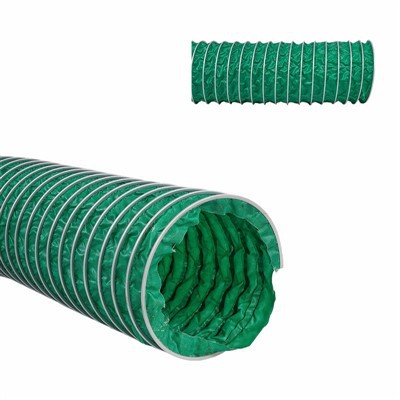
Aluminum tubes have emerged as a versatile and valuable material in various industries, and the automotive sector is no exception. As an aluminum tube supplier, I’ve witnessed firsthand the growing interest and adoption of aluminum tubes in automotive applications. In this blog post, I’ll explore the potential of aluminum tubes in the automotive industry, discussing their advantages, applications, challenges, and future prospects. Aluminum Tube
Advantages of Aluminum Tubes in Automotive Applications
One of the primary reasons for the increasing use of aluminum tubes in the automotive industry is their lightweight nature. Aluminum is approximately one-third the density of steel, which means that using aluminum tubes can significantly reduce the weight of a vehicle. This weight reduction has several benefits, including improved fuel efficiency, reduced emissions, and better handling. As the automotive industry continues to focus on sustainability and meeting strict fuel economy standards, the lightweight properties of aluminum tubes make them an attractive option.
In addition to their lightweight, aluminum tubes offer excellent corrosion resistance. Unlike steel, which can rust and corrode over time, aluminum forms a protective oxide layer on its surface that prevents further corrosion. This makes aluminum tubes ideal for use in automotive applications where they may be exposed to harsh environments, such as road salt, moisture, and chemicals. The corrosion resistance of aluminum tubes helps to extend the lifespan of automotive components, reducing maintenance costs and improving reliability.
Another advantage of aluminum tubes is their high strength-to-weight ratio. Despite being lightweight, aluminum tubes can provide significant strength and structural integrity. This makes them suitable for use in various automotive components, such as frames, suspension systems, and engine parts. The high strength-to-weight ratio of aluminum tubes allows for the design of lighter and more efficient automotive structures, without sacrificing performance or safety.
Aluminum tubes are also highly malleable and can be easily formed into various shapes and sizes. This flexibility in manufacturing allows automotive designers to create complex and customized components that meet the specific requirements of different vehicles. Whether it’s a simple straight tube or a complex curved shape, aluminum tubes can be fabricated to fit the exact specifications of the application. This versatility in design makes aluminum tubes a popular choice for automotive manufacturers looking to differentiate their products and improve performance.
Applications of Aluminum Tubes in the Automotive Industry
Aluminum tubes are used in a wide range of automotive applications, from structural components to fluid systems. One of the most common applications of aluminum tubes in the automotive industry is in the manufacturing of vehicle frames. Aluminum frames offer several advantages over traditional steel frames, including reduced weight, improved corrosion resistance, and better fuel efficiency. Many modern vehicles, especially electric and hybrid cars, are now using aluminum frames to enhance their performance and sustainability.
Another important application of aluminum tubes in the automotive industry is in the suspension system. Aluminum tubes are used to manufacture control arms, stabilizer bars, and other suspension components. The lightweight and high strength-to-weight ratio of aluminum tubes help to improve the handling and ride quality of the vehicle, while also reducing unsprung weight. This results in better traction, improved steering response, and a more comfortable driving experience.
Aluminum tubes are also widely used in the automotive fluid systems, such as coolant lines, fuel lines, and brake lines. The corrosion resistance of aluminum tubes makes them ideal for use in these applications, as they can withstand the harsh chemicals and high pressures associated with automotive fluids. Additionally, the lightweight nature of aluminum tubes helps to reduce the overall weight of the vehicle, improving fuel efficiency and performance.
In addition to these applications, aluminum tubes are also used in the manufacturing of engine components, such as intake manifolds, exhaust systems, and radiator cores. The high thermal conductivity of aluminum makes it an excellent choice for these applications, as it helps to dissipate heat more efficiently. This can improve the performance and reliability of the engine, while also reducing emissions.
Challenges and Considerations
While aluminum tubes offer many advantages in automotive applications, there are also some challenges and considerations that need to be addressed. One of the main challenges is the cost of aluminum compared to steel. Aluminum is generally more expensive than steel, which can increase the manufacturing cost of automotive components. However, as the demand for aluminum in the automotive industry continues to grow, the cost of aluminum is expected to decrease over time.
Another challenge is the joining of aluminum tubes. Unlike steel, which can be easily welded using traditional welding methods, aluminum requires specialized welding techniques and equipment. This can increase the complexity and cost of the manufacturing process. However, advancements in welding technology have made it possible to join aluminum tubes more efficiently and effectively, reducing the cost and improving the quality of the joints.
In addition to these challenges, there are also some environmental considerations associated with the use of aluminum tubes in the automotive industry. Aluminum is a highly recyclable material, but the production of aluminum requires a significant amount of energy. As the automotive industry continues to focus on sustainability, it’s important to consider the environmental impact of aluminum production and ensure that the aluminum used in automotive applications is sourced from sustainable and responsible suppliers.
Future Prospects
The future prospects for aluminum tubes in the automotive industry are very promising. As the automotive industry continues to evolve and focus on sustainability, the demand for lightweight and high-performance materials is expected to increase. Aluminum tubes offer several advantages over traditional materials, such as steel, and are well-suited to meet the needs of the automotive industry.
In addition to the growing demand for lightweight materials, the automotive industry is also investing in new technologies and manufacturing processes that are making it easier and more cost-effective to use aluminum tubes in automotive applications. For example, advancements in extrusion technology have made it possible to produce aluminum tubes with complex shapes and profiles, while improvements in welding technology have made it easier to join aluminum tubes more efficiently and effectively.
Another trend that is expected to drive the growth of aluminum tubes in the automotive industry is the increasing adoption of electric and hybrid vehicles. These vehicles require lightweight materials to improve their range and performance, and aluminum tubes are an ideal choice for this application. As the demand for electric and hybrid vehicles continues to grow, the demand for aluminum tubes is also expected to increase.
Conclusion
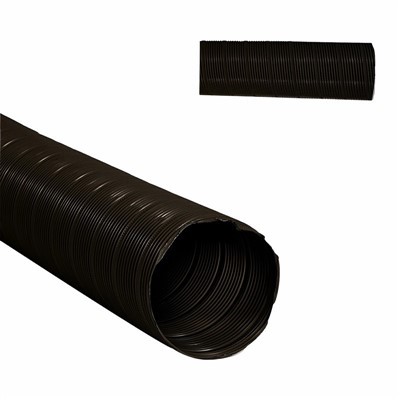
In conclusion, aluminum tubes have the potential to play a significant role in the automotive industry. Their lightweight nature, excellent corrosion resistance, high strength-to-weight ratio, and versatility in design make them an attractive option for a wide range of automotive applications. While there are some challenges and considerations that need to be addressed, the future prospects for aluminum tubes in the automotive industry are very promising.
Aluminum Foil Tube As an aluminum tube supplier, I’m excited to see the growing interest and adoption of aluminum tubes in the automotive industry. I’m committed to providing high-quality aluminum tubes that meet the specific requirements of our automotive customers. If you’re interested in learning more about how aluminum tubes can be used in your automotive applications, or if you have any questions or concerns, please don’t hesitate to contact me. I’d be happy to discuss your needs and provide you with more information about our products and services.
References
- ASM Handbook, Volume 2: Properties and Selection: Nonferrous Alloys and Special-Purpose Materials.
- Aluminum Association. Aluminum in Transportation.
- SAE International. Automotive Materials Handbook: Aluminum.
Dongyang Hstube Co., Ltd.
As one of the leading aluminum tube manufacturers and suppliers in China, we warmly welcome you to wholesale cheap aluminum tube for sale here from our factory. If you have any enquiry about free sample, please feel free to email us. Quality products and reasonable price are available.
Address: NO.5 CHENGDONG ECOLOGICAL INDUSTRIAL ZONE, DONGYANG, ZHEJIANG, CHINA.
E-mail: sales@hstube.com
WebSite: https://www.ductword.com/
