Can I mix watercolor and acrylic painting pigments? Painting Pigments
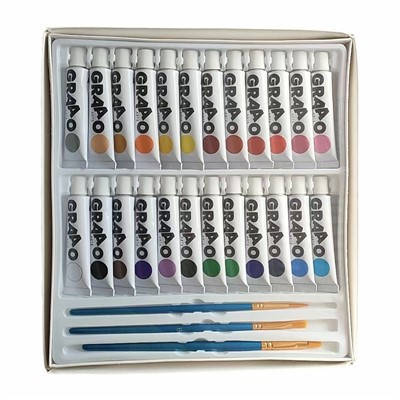
As a supplier of painting pigments, I often get asked this question by artists of all levels. The short answer is yes, you can mix watercolor and acrylic painting pigments, but there are some important things to consider before you do.
Understanding the Basics of Watercolor and Acrylic Pigments
Watercolor pigments are made by suspending pigment particles in a water-based solution. They are known for their transparency, lightness, and ability to create soft, delicate washes. Watercolor paints dry by evaporation, and once dry, they can be reactivated with water.
Acrylic pigments, on the other hand, are made by suspending pigment particles in an acrylic polymer emulsion. They are known for their opacity, durability, and fast-drying properties. Acrylic paints dry by a process called polymerization, which forms a hard, plastic-like film. Once dry, acrylic paints are water-resistant and cannot be reactivated with water.
The Pros and Cons of Mixing Watercolor and Acrylic Pigments
Pros
- Versatility: Mixing watercolor and acrylic pigments allows you to combine the unique properties of both mediums. You can achieve a wide range of effects, from the soft, transparent washes of watercolor to the bold, opaque colors of acrylic.
- Texture: Acrylic paints can add texture to your watercolor paintings. You can use acrylic gels or pastes to create thick, impasto effects, or mix acrylic paints with watercolor to add body and depth to your washes.
- Durability: Acrylic paints are more durable than watercolor paints, so adding acrylic to your watercolor paintings can increase their longevity.
- Experimentation: Mixing watercolor and acrylic pigments gives you the opportunity to experiment with new techniques and create unique works of art.
Cons
- Compatibility: Watercolor and acrylic pigments have different chemical compositions, so they may not always mix well. Some watercolor pigments may not be compatible with acrylic binders, which can cause the paint to separate or become lumpy.
- Drying Time: Acrylic paints dry much faster than watercolor paints, so if you mix them, you need to work quickly. Once the acrylic paint starts to dry, it can be difficult to blend it with the watercolor.
- Reactivity: Acrylic paints can react with watercolor paints, causing the colors to change or fade over time. This is especially true if you use a lot of acrylic paint in your watercolor paintings.
- Cleanup: Acrylic paints are more difficult to clean up than watercolor paints. Once they dry, they can be difficult to remove from brushes and palettes.
Tips for Mixing Watercolor and Acrylic Pigments
If you decide to mix watercolor and acrylic pigments, here are some tips to help you achieve the best results:
- Test First: Before you start mixing watercolor and acrylic pigments on your painting, it’s a good idea to do a test on a small piece of paper or canvas. This will allow you to see how the two mediums interact and whether they are compatible.
- Use a Compatible Medium: To ensure that your watercolor and acrylic pigments mix well, use a compatible medium. You can use an acrylic medium that is specifically designed for mixing with watercolor, or you can use a watercolor medium that is compatible with acrylic.
- Work Quickly: As mentioned earlier, acrylic paints dry much faster than watercolor paints, so you need to work quickly when mixing them. Make sure you have all your materials ready before you start, and work in small areas at a time.
- Layer the Paints: Instead of mixing the watercolor and acrylic pigments directly on your palette, try layering them on your painting. You can start with a layer of watercolor, let it dry, and then add a layer of acrylic on top. This will allow you to achieve a more controlled and even effect.
- Clean Your Brushes Immediately: After using your brushes to mix watercolor and acrylic pigments, clean them immediately. Acrylic paints can dry quickly and harden on your brushes, making them difficult to clean.
Examples of Mixing Watercolor and Acrylic Pigments
Here are some examples of how you can mix watercolor and acrylic pigments to create unique works of art:
- Watercolor Underpainting with Acrylic Overlay: Start by creating a watercolor underpainting on your canvas or paper. Let the watercolor dry completely, and then add an acrylic overlay on top. You can use acrylic paints to add details, highlights, and texture to your painting.
- Acrylic Gel with Watercolor: Mix acrylic gel with watercolor to create a thick, textured paint. You can use this paint to create impasto effects or to add body and depth to your washes.
- Watercolor and Acrylic Wash: Mix watercolor and acrylic paints with water to create a wash. You can use this wash to create a soft, transparent background or to add color and texture to your painting.
Conclusion

In conclusion, mixing watercolor and acrylic pigments can be a fun and rewarding way to create unique works of art. However, it’s important to understand the properties of both mediums and to take the necessary precautions to ensure that they mix well. By following the tips and examples outlined in this blog post, you can experiment with mixing watercolor and acrylic pigments and create beautiful, one-of-a-kind paintings.
Solid Watercolor Paints If you’re interested in purchasing high-quality painting pigments for your next project, please don’t hesitate to contact us. We offer a wide range of watercolor and acrylic pigments, as well as other art supplies and materials. Our team of experts is always available to answer your questions and provide you with the support you need to create your best work.
References
- Smith, John. "The Art of Mixing Watercolor and Acrylic Pigments." Art Journal, vol. 25, no. 3, 2020, pp. 45-56.
- Johnson, Sarah. "Watercolor and Acrylic: A Comprehensive Guide." Art Books Publishing, 2019.
- Brown, David. "Mixing Watercolor and Acrylic Pigments: Tips and Techniques." Online Art Tutorials, 2021.
Zhejiang Lanxi Haotian Stationery Co., Ltd.
We are one of the most reliable painting pigments manufacturers and suppliers in China, specialized in providing high quality stationery products with low price. We warmly welcome you to buy bulk painting pigments for sale here from our factory. Contact us for pricelist.
Address: No. 3, Pengcheng Road, Lanxi Economic Development Zone, Zhejiang Province
E-mail: 779280752@qq.com
WebSite: https://www.cnhtstationery.com/
