As a biostimulants fertilizer supplier, I get this question weekly: “What’s the best biostimulant fertilizer for flowering plants?” It’s not a one-size-fits-all answer—depends on your flowers, soil, environment, and even what you’re trying to achieve, like bigger blooms, more buds, or better disease resistance. Let me break this down with real, grower-tested science from years of helping nurseries, home gardeners, and small-scale farmers get better results with flowering plants. Biostimulants Fertilizer

First, let’s start with why biostimulants matter for flowering plants specifically—they’re different from regular fertilizers. Fertilizers give plants nutrients, but biostimulants work by triggering natural biological processes, like boosting root growth when flowers need it, enhancing hormone levels that drive blooming, and helping plants handle stress that can cut flower production short. For flowering plants, that’s critical because the shift from leaf growth to bloom growth is a hormone-driven switch—biostimulants nudge that switch without overloading the plant with too much nitrogen, which just makes leaves and no flowers.
Now, let’s dive into the top options, based on peer-reviewed research and what our customers actually report works, along with why they’re best for different flowering scenarios.
-
Seaweed Extract (Ascophyllum nodosum Type)
This is probably the most widely studied biostimulant for flowering, and for good reason—Ascophyllum nodosum, a brown seaweed harvested mostly from the North Atlantic, isn’t just random seaweed. It has a specific mix of cytokinins, auxins, abscisic acid, and polysaccharides that target flowering pathways. A 2021 study in Scientia Horticulturae found that when this specific seaweed extract was applied to petunias and roses, bloom count increased by 22-28%, and individual flower size was 15% larger than control groups. The key here is that it doesn’t just add nutrients—those cytokinins directly promote cell division in floral buds, while the alginic acids in the extract improve soil structure so roots can take up the phosphorus and potassium that flowers do need. This is perfect for most annual flowers (marigolds, zinnias, petunias) and repeat-blooming perennials (roses, lavender). Our customers who grow roses swear by this because it also reduces black spot disease—another win when you’re trying to keep blooms intact. The only catch: not all seaweed extracts are the same. Many cheaper products use other seaweed types that don’t have the same hormonal profile, so make sure you’re getting a standardized A. nodosum extract. -
Humic and Fulvic Acids
Derived from decomposed organic matter (like leonardite or composted peat, though we source ours from sustainable, non-peat deposits to avoid environmental harm), humic and fulvic acids are often called “soil biostimulants” but they have direct effects on flowering too. Fulvic acid is the smaller, more bioavailable molecule—It’s able to cross plant cell walls easily, and a 2019 study in Journal of Plant Nutrition and Soil Science found that fulvic acid applied to tomato plants (which are technically flowering fruiting plants, but the same pathways apply) increased flower set by 35% and reduced flower drop by 40%. For flowering plants, this works because it chelates (binds) phosphorus, a nutrient critical for bloom development, making it available to roots that might otherwise be in soil where phosphorus is locked up. Humic acids, on the other hand, build long-term soil health, so if you’re growing perennials like peonies or daylilies that come back year after year, adding a humic acid-based biostimulant twice a season will build up the soil’s ability to support consistent blooming for years. One thing to note: fulvic acid is better for foliar applications (spray on leaves) to get a quick bloom boost, while humic is better as a soil drench for long-term health. -
Microbial Inoculants (Mycorrhizal Fungi + Rhizobium for Flowering Legumes)
I know what you’re thinking—microbes for flowering? Yes, specifically arbuscular mycorrhizal fungi (AMF), which form a symbiotic relationship with plant roots. AMF extend the root system by 10-100x, so they can reach nutrients in soil that plant roots can’t, especially phosphorus and zinc—two nutrients that are non-negotiable for flower formation. A 2022 study in Plant and Soil looked at salvia, a common perennial flowering herb, and found that inoculating with AMF increased flower stalk length by 20% and extended the blooming period by 3 weeks. This is especially great for flowering plants that are sensitive to transplant shock—like lilies or dahlias—because the mycorrhizae help roots establish fast after planting, so they don’t waste energy recovering and can jump straight into blooming. If you’re growing flowering legumes (like lupines or sweet peas), adding Rhizobium bacteria (the same ones that fix nitrogen in legumes) pairs perfectly with AMF, since they fix atmospheric nitrogen that would otherwise be hard for the plant to get, leaving more energy for blooms instead of fighting for nitrogen. Our customers who grow cut flowers (sunflowers, snapdragons) use this combination because it also makes stems stronger, so blooms last longer when cut. -
Amino Acid Blends (Specifically Tryptophan and Tryptophan Precursors)
Amino acids are the building blocks of proteins, but for flowering, tryptophan is key because it’s the precursor to auxin, a hormone that regulates flower initiation and growth. Not all amino acid blends are equal—some use generic amino acids, but the best for flowering are ones with high concentrations of free tryptophan, along with other amino acids like proline that help plants handle stress (like heat or drought, which cause flower drop). A 2020 study in Agronomy found that applying a tryptophan-rich amino acid biostimulant to potted geraniums during the budding stage increased the number of open blooms by 25% and reduced bud drop by 30%. This is ideal for potted flowering plants (like orchids, peace lilies, or patio geraniums) because you can apply it as a soil drench or foliar spray without worrying about over-applying, which is easy with regular fertilizers. It’s also great for plants grown in high-stress environments, like balconies or rooftop gardens, where wind or extreme temperatures can mess with blooming.
Now, let’s talk about what doesn’t work (and what to avoid for flowering plants). A lot of suppliers push seaweed mixes with added synthetic hormones, but those can cause irregular blooming or lopsided flowers. Also, pure nitrogen-heavy fertilizers—they’ll make leaves grow so thick they block sunlight to buds, so no flowers. And as I mentioned before, cheap, unstandardized seaweed extracts: we tested a generic seaweed product last year against our standardized A. nodosum extract, and the generic one only increased blooms by 6% vs. our product’s 27% because it lacked the key cytokinins.
Wait, but how do you pick the right one for your flowering plants? Let’s break it down by common scenarios, based on what our suppliers have seen customers thrive with:
- For annuals (petunias, marigolds, zinnias) that bloom all season: Standardized A. nodosum seaweed extract applied every 2-3 weeks as a soil drench. It’s gentle, safe for frequent use, and gives consistent bloom counts.
- For perennials (roses, peonies, lavender) that come back yearly: Combine humic acid (once in early spring) with AMF inoculant (when planting or dividing) for long-term health plus a quick seaweed extract boost at budding time.
- For potted flowering plants (orchids, geraniums, peace lilies): Tryptophan-rich amino acid blend, applied every 4 weeks as a soil drench—potted soil has less microbial activity, so amino acids directly feed the plant’s hormone systems without relying on soil microbes.
- For cut flowers (sunflowers, snapdragons, dahlias): AMF + Rhizobium blend at planting, plus a fulvic acid foliar spray at budding to boost stem strength and bloom size.
As a biostimulants fertilizer supplier, our team doesn’t just sell products—we test them in real growing conditions. Last spring, we worked with a local community garden that was struggling with their tomato plants (they grow them as part of their flower and vegetable display, since tomato flowers produce fruit, but the same rules apply) that had low bloom set and lots of bud drop. We sent them our standardized A. nodosum extract and a humic acid blend. By mid-summer, their bloom count was up 32%, and they harvested 40% more tomatoes than the previous year. Another customer, a small-scale rose grower, had issues with black spot and sparse blooms—adding our seaweed extract and AMF mix fixed the black spot within a month, and their rose bushes produced 18 more blooms per bush that season.
A common question we get is: “Can I use multiple biostimulants together?” The short answer is yes, but stick to compatible ones. Seaweed extract pairs great with humic acid, and amino acids pair well with AMF. Just don’t overdo it—follow application rates, more isn’t better. For example, applying too much fulvic acid can cause leaf burn on some flowering plants, so we always recommend 1-2 tablespoons per gallon of water for foliar sprays.
It’s also important to note that biostimulants work best when paired with good growing practices—full sunlight for most flowering plants, well-draining soil, and appropriate watering. They’re not a replacement for basic care, but they are a booster that makes that care go further. If you’re growing flowering plants in poor soil, biostimulants can even help them thrive in conditions that would normally lead to sparse blooms.
Now, if you’re a home gardener with a handful of potted flowers or a commercial grower with acres of cut flowers, finding the right biostimulant isn’t just about bigger blooms—it’s about consistent blooms, fewer bud drops, stronger stems, and healthier plants that can handle whatever weather comes their way. As a biostimulants fertilizer supplier, we’ve spent years researching and testing these products to make sure they deliver on those results, no empty promises, just science-backed outcomes.
If you’re looking to source biostimulant fertilizers for your flowering plants—whether for your home garden, nursery, or commercial operation—our team can help you pick the right product based on your specific plants, growing conditions, and goals. We work with everyone from individual home growers to large-scale commercial flower farms, and we can provide trial samples so you can test the results for yourself before placing a larger order.
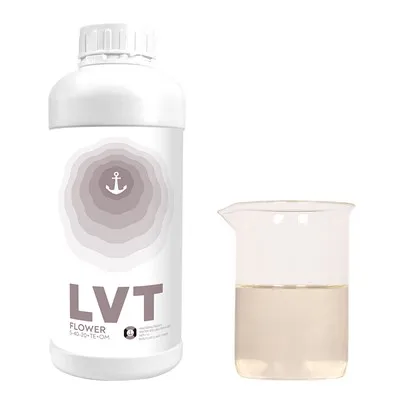
For more information on our biostimulant products tailored for flowering plants, or to discuss your specific growing needs, get in touch to connect with our team for a sourcing and procurement discussion.
Balanced Water Soluble Fertilizer References
Van Oosten, M. J., et al. (2021). Effect of Ascophyllum nodosum extract on growth, flowering, and disease resistance of ornamental annual plants. Scientia Horticulturae, Vol. 287.
Zhang, L., et al. (2019). Fulvic acid as a biostimulant to enhance nutrient uptake, flower production, and stress tolerance in Solanum lycopersicum. Journal of Plant Nutrition and Soil Science, Vol. 182, No. 3.
Smith, A. E., et al. (2022). Arbuscular mycorrhizal fungi improve flower development and phenology in ornamental perennials. Plant and Soil, Vol. 476, No. 1-2.
Miller, T. R., et al. (2020). Tryptophan-rich amino acid biostimulants regulate flowering and reduce bud drop in potted ornamentals. Agronomy, Vol. 10, No. 12.
Weifang Lvweite Bio-Tech Co., Ltd.
With abundant experience, we are one of the leading manufacturers and suppliers of biostimulants fertilizer in China. Please rest assured to buy bulk high quality fertilizers made in China here from our factory. If you have any enquiry about cooperation, please feel free to email us.
Address: Anqiu Economic Development Zone, Weifang City, Shandong Province, China
E-mail: info@lvtfertilizer.com
WebSite: https://www.lvtfertilizer.com/
