If you’ve ever driven through the American Southwest or stood next to a weathered steel sign in Phoenix, you’ve almost certainly seen Corten steel—even if you didn’t know its name. As a Corten steel supplier who’s shipped thousands of tons of this stuff to desert projects over the last decade, I get asked one question more than any other: “Does it actually hold up in that brutal desert heat and sun?” Short answer? Yes—but only if you understand how it works, what makes desert environments different, and how to treat it right. Let’s break this down, no stuffy jargon, just the real-world stuff I’ve learned from working with contractors, civil engineers, and even small-town park departments installing trail markers out in the Mojave. ASTM/ASME Corten Steel
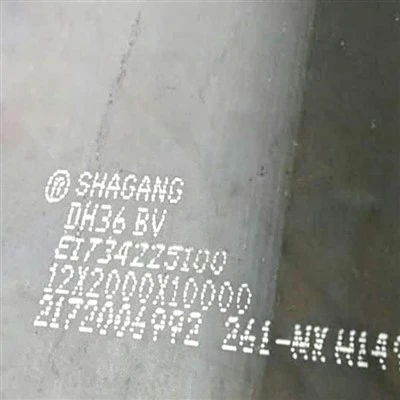
First, let’s get one thing straight: Corten isn’t just “rusty steel.” It’s a family of weathering steels developed by the folks at ASTM International and ASME (yeah, those are the same groups that set standards for everything from boiler parts to medical tools) back in the 1930s, specifically designed to form a protective rust layer that stops corrosion dead in its tracks. The secret here is the alloy mix—copper, chromium, nickel, a little phosphorus—those tiny bits that make all the difference between regular steel that turns to crumbly mud in two years and Corten that stays intact for decades.
Now, desert environments are no joke. We’re talking about temperatures that swing from 20°F at night in winter to 120°F+ in midday summer, UV radiation that’s way more intense than in humid climates (no humidity to filter those rays), extreme dryness, and occasional, intense dust storms or flash floods. That perfect protective rust layer? It’s sensitive to all of this, and it works differently in the desert than it does in, say, a damp Pacific Northwest forest.
Let’s start with how Corten is supposed to work, in ideal conditions. When you first unload a Corten part, it’s not pretty—it’s that dull, grayish raw steel color. Leave it outside, and over 6 to 18 months, a thin, tight, orange-brown rust layer forms. This isn’t the flaky, peeling rust you’d get on a old fence post or a car left in the rain. It’s like a hard, waterproof shell that seals the steel underneath, keeping moisture and oxygen out so it doesn’t corrode any further. In humid areas, that process happens faster—usually around a year—but in the desert? It slows way down, and that’s the first thing most people get wrong.
Desert air is dry—super dry, like 10% or lower humidity for weeks at a time. Rust needs moisture to form, right? So the protective patina takes longer to set up out here. I’ve had projects in Arizona where the first rust didn’t even start showing until 8 or 9 months after installation, and in parts of Nevada with even lower humidity, it’s sometimes a full year before the layer is complete. That’s a big deal because during that initial “weathering” phase, the steel is way more vulnerable. If it rains hard in the first year, or a dust storm dumps moisture-laden dust on it, you’ll get some uneven rust streaks, and maybe even a little superficial corrosion on the parts that don’t rust as fast. That’s not a failure, that’s just the patina working through its growing pains.
The next big desert factor is heat and UV. Most steels expand and contract as temperatures swing, but Corten’s patina handles that surprisingly well—once it’s fully formed. I’ve shipped Corten road sign bases to Death Valley, where summer days hit 125°F and nights drop to 50°F, and after three years, the patina is still intact, no cracking or peeling. The catch is UV radiation. Desert sun is full of harsh UV rays that can break down organic coatings, but the rust patina is inorganic, so it’s resistant. That said, if you get a really intense, localized heat spot—like a part of a steel beam that’s constantly in direct midday sun, no shade at all—you might get a tiny bit of “chalking” on the surface, like a mild powdering. But that’s just the patina adjusting, not actual corrosion. A quick wipe with a dry cloth takes it right off, and it doesn’t affect the steel underneath at all.
Then there’s dust and wind. Desert dust is fine, abrasive stuff, and dust storms can blow sand and dirt at 50+ mph. A lot of people worry that the dust will scratch the patina or wear it away. Again, once the patina is fully cured, that’s not an issue. The rust layer is hard—harder than the raw steel underneath, actually—so dust and wind just bounce off it, or the fine dust gets washed away when it does rain. I had a customer in Utah who installed Corten retaining walls for a new subdivision a few years back; last year, they had a major spring dust storm, and when I went out to inspect, the walls looked exactly the same as the day they were installed. No scratches, no worn spots, just that consistent, rich rust color. The only time dust is a problem is if it settles on raw steel during the initial weathering phase, and that just delays the patina a little—no permanent damage.
Wait, but what about flash floods? Deserts get sudden, heavy downpours that turn dry washes into raging rivers in minutes. A lot of contractors ask me if Corten will hold up to that. The answer is yes, but with one caveat: the patina has to be fully formed. I had a guy in New Mexico who installed Corten bridge supports right before a big monsoon season, and he skipped waiting for the patina to set, just like I warned him not to. The fast-moving, sediment-heavy flood water stripped away the thin, unformed rust layer in a few spots, causing a little superficial corrosion. But once the next dry spell hit, the new rust grew back even stronger than before, and now, four years later, those supports are perfect. The lesson here? Wait for that patina to cure before exposing it to harsh, wet conditions if you can. Or if you can’t (like that bridge project), just plan for a little touch-up later. We sell tiny bottles of Corten rust activator for exactly that, if you need it.
Now, let’s talk about the stuff that actually causes Corten to fail in the desert, because it does happen—usually not because of the steel itself, but because people misuse it. First mistake: using regular Corten in coastal deserts? Wait, no, coastal deserts like Southern California’s Mojave Edge have salt in the air, which is a different beast. Wait, no, the bigger mistakes I see are: first, not cleaning the steel before installation. If you leave mill scale (that dark, flaky layer that’s on steel when it comes from the mill) on Corten, it can trap moisture between the mill scale and the actual steel, leading to localized rust that doesn’t form the protective patina. Always blast or power wash the steel to remove mill scale first. Second, using Corten in contact with non-compatible materials. If you bolt Corten to galvanized steel or aluminum, the two different metals will cause a reaction that eats away at the Corten. I see this all the time with fence posts—people mix Corten rails with galvanized posts, and a year later, the end of the rail where it meets the post is corroded. Third, sealing Corten. Some contractors think they need to paint or seal it to “protect” it, but that’s the worst thing you can do. The whole point of Corten is that it forms its own protective layer; sealing it traps moisture under the surface, leading to big corrosion spots. I’ve had customers who sealed Corten by accident, and they called me panicking a year later, because the sealant was peeling and the steel was rusting way faster than it should. Remove the sealant, let it weather naturally, and you’re good.
Now, let’s get real about longevity. I tell every customer this: Corten in a humid climate will last 50 to 70 years with minimal maintenance. In the desert? It’s even longer, sometimes 100 years or more, because the dry air slows down corrosion to almost nothing once the patina is set. I have a photo of a Corten water tank I shipped to a ranch in Arizona in 1978—yes, 1978—and when I went out to replace a valve last year, the tank looked exactly like it did the day it was installed, just a deeper, richer rust color. No leaks, no pitting, nothing. That’s the stuff Corten is made for.
But wait, what about aesthetics? A lot of people love that weathered rust look—each piece gets a unique color, from light orange to deep brown, depending on how much sun it gets. I’ve sent Corten planters to a botanical garden in Phoenix, and each planter developed its own pattern, so no two are alike. That’s a big plus for projects that want a natural, industrial look without the maintenance of regular steel or aluminum. But if you want a consistent, uniform color, you can speed up the weathering process with a rust activator spray, so it develops the patina evenly in a few weeks instead of a year or more. That’s perfect for commercial projects where you want everything to match right away.
Here’s the thing I wish more people knew: Corten isn’t a “set it and forget it” material, even in the desert. Once the patina is fully formed, it’s basically maintenance-free—no repainting, no sanding, no replacing. But you have to do a few simple things at the start: clean off mill scale, wait for the patina to set before exposing it to heavy wet or abrasive conditions, and don’t mix it with incompatible metals. That’s it. It’s way less work than regular steel, which you’d have to paint every 5 to 10 years in the desert to keep it from rusting, or aluminum, which dents way too easy.
I’ve seen Corten hold up to everything the desert throws at it: 120°F heat, flash floods, dust storms, constant sun. The only failures I’ve seen are from people cutting corners, not the steel itself. At the end of the day, Corten is designed for these exact environments—ASTM and ASME tested it for decades in all kinds of climates, and the desert is one of its sweet spots.
If you’re working on a project out west, whether it’s a fence, a retaining wall, signs, a bridge, or even a fire pit and planters, Corten is worth considering. We’ve got stock in all the standard sizes, we can cut and shape it to your exact specs, and we even offer rust activator and maintenance tips if you need them. No hidden fees, no weird lead times, just good quality Corten steel that’s proven to work in the desert.
If you have any questions about how Corten would work for your specific project, or you want to get a quote, just reach out. I’ve worked with everyone from small homeowners building a backyard patio to big construction companies doing highway projects, and I can help you figure out exactly what you need. Don’t let anyone tell you Corten doesn’t hold up in the desert—it does, as long as you do it right.
EN High Strength Steel Plate References
- ASTM International. (2022). Standard Specification for Weathering Steel Plates for Structural Uses. ASTM A588/A588M-22.
- ASME Boiler and Pressure Vessel Code. (2021). Section II, Part D: Properties of Materials, Weathering Steels.
- Federal Highway Administration. (2019). Weathering Steel Performance in Arid and Semi-Arid Environments. FHWA-RD-19-007.
- NACE International. (2020). Corrosion Performance of Corten Steel in Desert Climates. Corrosion Technology Journal, Vol. 66, No. 4.
Gnee Steel (Tianjin) Co., Ltd.
As one of the most professional astm/asme corten steel manufacturers and suppliers in China, we also support customized service with low price. We warmly welcome you to buy high quality astm/asme corten steel in stock here from our factory. If you have any enquiry about free sample, please feel free to email us.
Address: No.4-1114, Beichen Building, Beicang Town, Beichen District, Tianjin, China
E-mail: alloy@gneesteelgroup.com
WebSite: https://www.chinavesselplates.com/
