As a semi-trailer supplier who’s worked with these units for over a decade, I can’t tell you how many times I’ve had customers come back to me frustrated because their trailer, which should have lasted 10+ years, started rusting out in half that time. Rust doesn’t just ruin the look of your trailer—it weakens structural integrity, leads to costly breakdowns on the road, and cuts into your bottom line fast. That’s why I’ve spent years testing and refining anti-corrosion measures that actually work for the harsh realities of semi-trailer use: whether you’re hauling grain across dusty plains, corrosive chemicals, or goods through rain-soaked coastal highways, one size never fits all. Let me walk you through the strategies I recommend, both for the trailers we build and for our customers to maintain their units long after they leave our yard. Semi-trailer
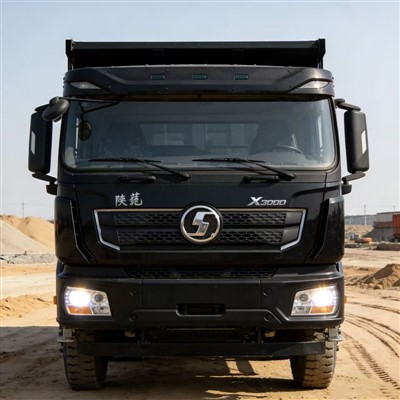
First, let’s start with the foundation of any good anti-corrosion plan: the materials and manufacturing choices we make right here in our factory. Too many budget-focused suppliers cut corners on steel grade, using thinner, lower-quality carbon steel that’s prone to rust from the start. That’s a mistake. For most general-haul semi-trailers, we use hot-rolled high-strength steel with a minimum yield strength of 345 MPa—strong enough to handle heavy loads, but also thicker and more corrosion-resistant than standard mild steel. For customers in industries where corrosion is non-negotiable—like chemical transport or coastal logistics—we go a step further: we spec marine-grade stainless steel for floor crossmembers and undercarriage components, and even aluminum for some exterior panels. Aluminum doesn’t rust, it forms a tight, self-healing oxide layer when exposed to oxygen, which acts as a barrier against moisture and chemicals. I’ve seen customers who run trailers along the Florida coast switch from steel to aluminum panels and cut their rust-related repairs by 70% in just two years.
But even the best steel is useless without proper surface preparation before coating. This is another area where many suppliers skip steps to save time, and it shows within a year of delivery. When we build a new trailer, we start with shot blasting every steel component—this isn’t just hosing off dirt; it’s propelling 25-micron steel particles at 100 psi to strip away mill scale, rust, and oil from the manufacturing process, leaving a uniform, rough surface that paint and other coatings can adhere to. We follow that with a phosphate coating bath, a chemical layer that bonds to the steel and adds another 50% to the corrosion resistance of the paint that goes on next. I once had a customer who bought a “discounted” trailer from a supplier who skipped shot blasting and phosphate; within 18 months, their paint was chipping off in sheets, and the undercarriage was pitted with rust. They ended up buying a new trailer from us, and now they’re our repeat customer.
Speaking of coatings: there are three main types we use, depending on the trailer’s intended use, and each serves a specific purpose. The first is epoxy primer, the base coat we apply to every component after surface prep. Epoxy is the gold standard for adhesion and chemical resistance; it forms a hard, impermeable layer that blocks moisture from reaching the steel. For the exterior of the trailer, we use polyurethane topcoat, which is flexible enough to withstand vibrations from the road, UV rays, and minor impacts from rocks or cargo. Polyurethane doesn’t fade or crack as easily as regular acrylic paint, which is critical for trailers that sit outside for long periods. For the undercarriage—where rust develops the fastest, hidden from view—we use a different coating: liquid applied rubberized undercoating, or for customers hauling salt-laden materials in winter, we even do a hot-applied asphalt undercoat. This stuff is thick, flexible, and it seals every nook and cranny of the frame, axles, and crossmembers that regular paint can’t reach. I can’t stress this enough: the undercarriage is where 80% of semi-trailer corrosion starts, so skimping on its coating is the single biggest mistake owners make.
Once the trailer is on the road, proper maintenance is just as important as the initial coating. I tell all our customers to stick to a simple, quarterly routine, and it takes less than two hours per visit. First, power washing the undercarriage—wait until the weather’s above 40°F, because cold water can cause metal to contract and crack existing coatings—every 90 days. This isn’t just for cleaning; it’s to remove salt, mud, and chemical residues that get caked on during hauls. If you leave salt on the undercarriage, it’s like leaving a sponge on steel: it draws moisture in and accelerates rust by a factor of three. I’ve seen trailers in the Midwest, where road salt is used heavily in winter, go 12 years without major rust issues just because owners power wash their undercarriage every spring and fall.
Another key maintenance step is inspecting and repairing chips in the coating. Rocks, pallet forks, and even the edges of cargo can nick the paint over time, and any exposed steel will start to rust within days if left untreated. We keep touch-up paint in every trailer we deliver, and I tell customers to fill any chip within 48 hours. Don’t use regular touch-up paint; use epoxy-based touch-up paint that matches the original primer, not just the topcoat. The primer is what seals the steel, so skipping that step is like painting over a rust spot—you’re just covering up the problem, not fixing it.
For specialized use cases, there are additional anti-corrosion measures that make a huge difference. If you’re hauling food-grade products or chemicals, where spills are frequent, we recommend adding a galvanized steel layer to the trailer’s floor. Hot-dip galvanizing is a process where steel is dipped in molten zinc, which forms a protective alloy layer that’s three times more corrosion-resistant than epoxy paint. Galvanized floors are also easier to clean, which is a bonus for food transport customers. We also install splash guards on all our trailers, especially for those traveling on highways; splash guards redirect road water and mud away from the undercarriage, reducing the amount of moisture that sits on frame components.
I’ve also tested a lot of the newer anti-corrosion products on the market, and while some are gimmicks, a few are worth the investment. For example, corrosion inhibitors: we add a water-based inhibitor to the fuel tanks of every diesel-powered semi-trailer we build, and it prevents internal rust that can damage fuel lines over time. For the exterior, some customers use nano-ceramic coatings after the initial polyurethane topcoat; these coatings are thinner than traditional waxes, last up to five years, and are more resistant to chemicals and UV rays. I recommend this for customers who want to cut down on annual waxing and keep their trailer’s resale value high.
But here’s the thing: even the best anti-corrosion measures fail if you neglect basic practices. I had a customer who ran a fleet of 10 grain trailers in Texas; most of them stayed in good shape, but two of them were always breaking down with rust-related issues. When I looked into it, I found out those two trailers were always parked in a muddy, low-lying area that held rainwater. The other trailers were parked on gravel pads with good drainage. That’s the difference: moisture is the enemy, so ensuring your trailer is stored on a flat, well-drained surface, and if possible, covered when not in use, can add years to its life.
As a semi-trailer supplier, our job isn’t just to build a trailer that gets your cargo from point A to point B—it’s to build one that does it for as long as possible, without costing you a fortune in repairs. That’s why we’ve spent years refining every step of our anti-corrosion process, from material selection to final coating, and we’re always updating it based on what our customers tell us works in their industries. If you’re in the market for a new semi-trailer, or you’re looking to extend the life of your existing fleet, we’re here to help. We can walk you through the best anti-corrosion options for your specific haul needs, share maintenance checklists, and even offer tailored solutions for industries with extreme corrosion challenges. Don’t let rust eat into your profits or put your drivers at risk—reach out to us to discuss your semi-trailer needs today.
Dump Truck References
- International Organization for Standardization. (2019). Road vehicles — Corrosion protection of commercial vehicles and their components. ISO 16067:2019.
- Society of Automotive Engineers. (2021). Corrosion control methods for heavy-duty truck and trailer applications. SAE International J2008:2021.
- American Trucking Associations. (2022). Fleet maintenance best practices: Corrosion prevention for heavy-duty trailers. ATA Maintenance Council Report 2022-03.
- NACE International. (2020). Protective coatings for steel structures in transportation applications. NACE Standard RP0176-2020.
Liangshan Guanyue Auto Trading Co., Ltd.
As one of the leading semi-trailer manufacturers and suppliers in China, we warmly welcome you to buy bulk high quality semi-trailer at low price from our factory. If you have any enquiry about pricelist and quotation, please feel free to email us.
Address: Liangshan County, Jining City, Shandong Province
E-mail: guanyuetruck@gmail.com
WebSite: https://www.gytruck.com/
