Hey everyone, it’s Sam from your go-to power transformer supplier here – and let’s be real, I’ve spent way too many late nights troubleshooting transformers that decided to throw a fit mid-shift. Whether you’re a plant manager, a maintenance tech, or someone who just needs to keep the lights on (and no, not the fancy LED kind that flickers when your transformer’s on its last legs), knowing what common faults to watch for is half the battle. I’ve fixed hundreds of these units over the years, and I’m here to spill the tea on the stuff that takes down more transformers than bad weather or poor maintenance combined. Let’s cut the jargon, keep it real, and break down the most common fails we see every single day. Power Transformer

First off, let’s talk about insulation breakdown – and no, I don’t mean the “I forgot my keys” kind. This is the big one, the one that accounts for like 40% of all transformer faults I’ve dealt with. Insulation is what keeps the high-voltage windings from touching each other or the core, right? But over time, it gets beat up. What causes this? Let’s list the usual culprits: moisture seeping in through a busted gasket or a tiny crack in the tank – I’ve seen transformers that were only 5 years old with gaskets that crumbled like old bread. Then there’s thermal stress; transformers get hot when they run, and if they’re loaded too hard (we’ve all had that one machine that demands 110% power 24/7), the insulation heats up, breaks down chemically, and turns brittle. Oh, and overvoltage spikes – lightning hits lines all the time, or power surges from switching heavy equipment at a plant – that zaps the insulation before you even see it. Last month, we had a customer with a transformer that died because a storm knocked out their main grid, and they used their backup generator to kick back on without a surge suppressor. The insulation fried in 10 minutes flat. The worst part? Insulation breakdown often hides at first – you might see small gas bubbles in the oil or a weird vibration, but by the time it’s loud enough to hear, it’s usually too late for a quick fix.
Next up, winding faults. These are basically the transformer’s “heart” problem. The windings are those copper or aluminum coils that carry the electricity, right? Common issues here: inter-turn shorts, where two adjacent wires in the winding touch each other because their insulation wore thin. Or open circuits, where a wire breaks – usually from thermal expansion and contraction over years of heating up and cooling down, like bending a paperclip back and forth until it snaps. We also see winding displacement, where the coils shift out of place because of a huge short circuit or a seismic event (though not as common in places like the US Midwest, definitely a thing in earthquake zones). Why does this matter? If windings are messed up, the transformer can’t transfer power properly, it gets way too hot, and if it keeps running, it’ll melt down the copper and turn your entire unit into a expensive paperweight. A few years back, a manufacturing plant called us because their transformer was making a weird growling noise – turns out the windings had shifted during a lightning strike, and each time it loaded up, they rubbed against the core, generating heat until the insulation gave out. We had to rewind the whole thing, and that cost them 3 weeks of downtime – way more than if they’d caught the shift during a routine check.
Then we have core-related faults, which are simpler but super sneaky. The core is that big stack of metal sheets that the windings wrap around – its job is to guide the magnetic field. Most core issues are from something called “core grounding faults.” The core is supposed to be grounded once, right? If it gets grounded in two places, you get stray currents that flow through the core sheets, heating them up and slowly burning through the insulation between the sheets. Over time, that turns the core into a hot mess, reduces efficiency, and can even cause local overheating that damages the insulation we talked about earlier. I’ve also seen core lamination faults, where the thin metal sheets that make up the core separate from each other, again causing eddy currents and heat. This is usually from poor manufacturing (cheap lamination that’s not bonded well) or rough handling during installation – someone dropped a core segment, and it never sits right. Core faults are tricky because you can’t spot them with a quick visual check – you have to do an oil test or a core flux test to pick them up. A lot of customers wait too long to do that, and by the time the core’s damaged, the whole transformer is done.
Oil-related faults are another huge category, and honestly, this one’s preventable 90% of the time. The insulating oil in a transformer does two things: it insulates the windings and cools everything down. If the oil is bad, the transformer is bad. What’s wrong with oil, you ask? First, contamination – dirt, moisture, even metal particles from wear in the windings. Water in oil is a big no-no; it lowers the oil’s dielectric strength, makes it easier for electricity to arc through, and speeds up insulation breakdown. I once tested an oil sample that had 1,200 parts per million of water (the safe limit is like 30 ppm for medium-voltage transformers) – the transformer was a rental unit for a construction site, and the tank had a tiny leak that let rain in over a month. Then there’s oil degradation – over time, the oil breaks down from heat and oxidation, forming sludge and acids that eat away at insulation. Sludge blocks the cooling channels, so the transformer runs hotter, which makes the oil break down faster – it’s a vicious cycle. We see this all the time with transformers that are left sitting unused for years, too – their oil turns thick and cloudy, like old cooking oil that’s been reheated 100 times. Even brand-new transformers can have oil faults if the factory didn’t properly degas or dry the oil before filling the tank.
Wait, let’s not forget tap changer faults – those are the little (or big) switches that adjust the transformer’s voltage output to match the grid. Most transformers have tap changers, especially on large units for industrial or utility use. The main issue here is contact wear – the metal contacts inside the tap changer rub together every time you adjust the taps, so over years of use, they get pitted, worn down, or covered in oil sludge. That causes bad connections, high resistance, which leads to overheating and arcing. We had a utility customer last year whose tap changer contacts got so worn that they started arcing, which burned through the tap winding and caused a full outage across 5 small towns. The fix was replacing the tap changer, but that outage cost them way more than the part would have, if they’d just done an annual tap changer inspection. Also, tap changers can have motor or linkage issues – the motor that moves the taps burns out, or the linkages get jammed with dirt or corrosion, so the taps won’t adjust when needed. That leads to overvoltage or undervoltage, which damages connected equipment – we’ve seen a customer’s entire warehouse AC system fry because the tap changer got stuck on a high tap for a week.
Oh, and let’s throw in some miscellaneous faults that still give us headaches, like bushing failures. Bushings are the ceramic or composite insulators that let the high-voltage leads pass through the transformer tank. They get dirty, cracked, or have moisture inside, which causes surface arcing or flashovers. Last summer, a bush fire near a substation covered a transformer’s bushings in ash, and the high voltage jumped from the bushing to the tank, blowing the whole unit. Bushing cracks also happen from thermal cycling – when the transformer heats up and cools down, the ceramic expands and contracts, and if it’s a cheap bushing, it cracks. Another one: pressure relief device malfunctions. That’s the little valve on top of the tank that opens if the internal pressure gets too high (from a fault that’s causing a lot of heat and gas). If it sticks closed, the tank can rupture, which is a huge safety hazard. If it opens too easily, you get oil leaking out, leading to low oil levels and more faults.
Now, before you panic and go check every transformer you own, let’s be clear: most of these faults are preventable. Regular maintenance, oil testing, visual inspections, and not loading transformers way beyond their rated capacity go a long way. But even with good maintenance, transformers will develop faults over time – that’s just the nature of electrical equipment. And that’s where we come in, right? We don’t just sell transformers – we’ve been in this game for years, so we know exactly how to diagnose a problem fast, whether you need a repair, a replacement, or even a custom unit tailored to your site’s specific needs. If you’re seeing weird noises, checking your oil and seeing bubbles, or just want to schedule a routine inspection to catch faults before they turn into outages, hit us up. We’ll send a tech out that same week, no runaround, no hidden fees. Don’t wait until your transformer dies mid-production or during a storm – a little proactive check now saves you way more headache and money later.
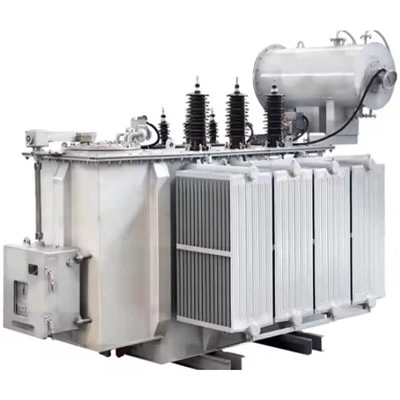
At the end of the day, power transformers are workhorses, but they’re not indestructible. Knowing the common faults, what causes them, and how to spot them is the key to keeping your operations running smoothly. If you have questions about your current units, need a quote for a new transformer, or just want to pick my brain about maintenance tips, don’t hesitate to reach out. We’re here to help you keep the power flowing.
Three Phase Oil Immersed Transformer References
- IEEE Std C57.12.00-2015, "IEEE Standard for General Requirements for Liquid-Immersed Distribution, Power, and Regulating Transformers"
- Transformer Maintenance Guide, Electric Power Research Institute (EPRI), 2021
- "Common Failures in Power Transformers: A Statistical Analysis," International Council on Large Electric Systems (CIGRE), 2019
Zhejiang Jiangshan Hengli Electrical Co., Ltd.
Zhejiang Jiangshan Hengli Electrical Co., Ltd. is one of the most professional power transformer manufacturers and suppliers in China, featured by quality products and low price. Please rest assured to wholesale cheap power transformer in stock here and get pricelist from our factory. Customized orders are welcome.
Address: 212 Fuzhu Street Sidu Town, Jiangshan, Zhejiang, China
E-mail: henglijs@foxmail.com
WebSite: https://www.henlypower.com/
