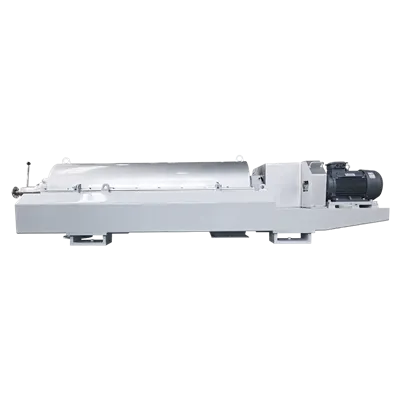
As a dewatering centrifuge supplier deeply entrenched in the industry, I’ve witnessed firsthand the critical importance of maintaining a centrifuge’s stability during operation. A stable dewatering centrifuge not only ensures efficient separation of solids from liquids but also minimizes maintenance costs and enhances the overall lifespan of the equipment. In this blog, I’ll share some insights and practical tips on how to ensure the stability of a dewatering centrifuge during operation. Dewatering Centrifuge
Understanding the Basics of Dewatering Centrifuges
Before delving into the stability aspects, it’s crucial to understand the basic working principle of dewatering centrifuges. These machines utilize centrifugal force to separate solids from liquids. The mixture is fed into a rotating drum, and the centrifugal force causes the denser solids to settle on the inner wall of the drum, while the lighter liquid phase is discharged through an outlet.
The key components of a dewatering centrifuge include the rotor, the differential mechanism, the feed system, and the control system. Each of these components plays a vital role in the centrifuge’s operation and stability.
Proper Installation
The installation process sets the foundation for the stable operation of a dewatering centrifuge. Here are some key points to consider:
- Leveling: Ensuring that the centrifuge is properly leveled is paramount. An uneven installation can lead to excessive vibration, which not only affects the separation efficiency but also puts additional stress on the centrifuge components. Use a high – precision level during the installation process and make adjustments as needed.
- Foundation: The centrifuge should be installed on a strong and stable foundation. The foundation needs to be able to support the weight of the centrifuge and withstand the dynamic forces generated during operation. If the foundation is weak, it can cause the centrifuge to shift or vibrate excessively, leading to premature wear and tear.
- Connection: All the pipes, electrical cables, and other connections should be properly installed and tightened. Loose connections can lead to leakage of the processed material or electrical malfunctions, both of which can disrupt the stable operation of the centrifuge.
Regular Maintenance
Regular maintenance is the cornerstone of ensuring the long – term stability of a dewatering centrifuge.
- Lubrication: The moving parts of the centrifuge, such as the bearings and the differential mechanism, require proper lubrication. Use high – quality lubricants recommended by the manufacturer and follow the specified lubrication intervals. Insufficient lubrication can lead to increased friction, heat generation, and eventual wear of the parts, which can cause instability in the centrifuge’s operation.
- Inspection of Components: Conduct regular inspections of the centrifuge’s components, including the rotor, the drums, the seals, and the control system. Look for signs of wear, corrosion, or damage. Replace any worn – out or damaged parts immediately. For example, if the seals are damaged, it can lead to leakage of the processed material, which can not only reduce the separation efficiency but also cause imbalance in the centrifuge.
- Cleaning: Keep the centrifuge clean both inside and outside. Accumulation of solids, dirt, or other debris can affect the balance of the rotor and the overall performance of the centrifuge. Regularly clean the feed system, the drum, and the discharge channels to prevent clogging.
Optimizing the Operating Parameters
Proper adjustment of the operating parameters is essential for maintaining the stability of a dewatering centrifuge.
- Speed Control: The rotational speed of the centrifuge directly affects the centrifugal force and, consequently, the separation efficiency. However, running the centrifuge at an inappropriate speed can cause instability. Always operate the centrifuge within the speed range recommended by the manufacturer. If the speed is too high, it can lead to excessive vibration and potential damage to the centrifuge; if the speed is too low, the separation efficiency will be compromised.
- Feed Rate: Controlling the feed rate is crucial. An excessive feed rate can overload the centrifuge, causing it to become unstable and reducing the separation efficiency. On the other hand, a very low feed rate may not fully utilize the centrifuge’s capacity. Monitor the feed rate continuously and adjust it according to the characteristics of the processed material and the centrifuge’s capacity.
- Operating Temperature: The operating temperature of the centrifuge also affects its stability. High temperatures can cause the deformation of components, especially the rotor. Make sure to monitor the temperature of the centrifuge during operation and take measures to keep it within the normal range. This may involve using cooling systems if necessary.
Operator Training
Well – trained operators are essential for the stable operation of a dewatering centrifuge.
- Knowledge of the Equipment: Operators should have a thorough understanding of the dewatering centrifuge’s working principle, components, and operating procedures. They should be able to identify potential problems and take appropriate actions in a timely manner.
- Safety Awareness: Safety is of utmost importance when operating a dewatering centrifuge. Operators should be trained on safety procedures, such as wearing appropriate personal protective equipment and following lock – out/tag – out protocols.
- Troubleshooting Skills: Provide operators with training on basic troubleshooting skills. They should be able to diagnose and solve common problems, such as vibration, leakage, or abnormal noise, which can help maintain the centrifuge’s stability and avoid costly downtime.
Monitoring and Control Systems
Modern dewatering centrifuges are often equipped with advanced monitoring and control systems.
- Vibration Monitoring: Install vibration sensors on the centrifuge to continuously monitor the vibration levels. Excessive vibration can be an early indicator of problems, such as imbalance, misalignment, or component failure. By monitoring the vibration, operators can detect and address these issues before they cause significant damage.
- Process Parameter Monitoring: Continuously monitor important process parameters, such as the feed rate, rotational speed, and temperature. Use a control system to automatically adjust these parameters within the optimal range to ensure stable operation.
- Data Analysis: Collect and analyze the data from the monitoring systems. This can help identify trends, predict potential problems, and make informed decisions about maintenance and operation.
Quality of the Processed Material
The characteristics of the processed material can also have a significant impact on the stability of the dewatering centrifuge.
- Particle Size and Distribution: If the particle size of the solids in the processed material is too large or the distribution is too wide, it can cause imbalance in the centrifuge and affect the separation efficiency. Consider pre – treating the material to ensure a more uniform particle size.
- Viscosity: High – viscosity materials can be more difficult to process in a centrifuge. They may cause clogging in the feed system or the discharge channels, leading to instability. Adjust the operating parameters or use additives to reduce the viscosity if necessary.
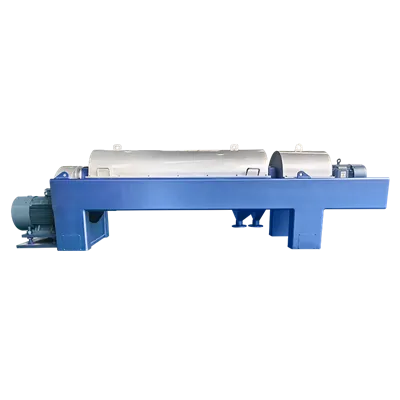
In conclusion, ensuring the stability of a dewatering centrifuge during operation requires a comprehensive approach that includes proper installation, regular maintenance, optimization of operating parameters, operator training, and the use of advanced monitoring and control systems. By following these guidelines, you can maximize the efficiency and lifespan of your dewatering centrifuge.
Decanter Centrifuge If you are in the market for a dewatering centrifuge or need advice on maintaining the stability of your existing equipment, I encourage you to reach out to us. We have a team of experts ready to assist you in finding the best solutions for your specific needs. Let’s start a conversation about how we can help you optimize your dewatering process.
References
- Perry, R. H., & Green, D. W. (Eds.). (2008). Perry’s Chemical Engineers’ Handbook. McGraw – Hill.
- Coulson, J. M., & Richardson, J. F. (1999). Chemical Engineering Volume 2: Particle Technology and Separation Processes. Butterworth – Heinemann.
Lishui Yuanrong Environmental Protection Equipment Co., Ltd.
As one of the most professional dewatering centrifuge manufacturers and suppliers in China, we have world-leading production equipment and strong manufacturing capabilities. Please feel free to buy customized dewatering centrifuge from our factory. Also, quotation is available.
Address: Lot 6-1, Block 15, Wanyang Zongchuang City, Lishui, Zhejiang, China
E-mail: 361184920@qq.com
WebSite: https://www.yrhdc.com/
