Hey there! As a provider of EPS Shape Molding Machines, I’ve noticed that one common headache for many users is the uneven density of products. It’s a real pain in the neck because inconsistent density can lead to all sorts of product quality issues. But don’t worry, I’m here to share some solid tips on how to tackle this problem. EPS Shape Molding Machine
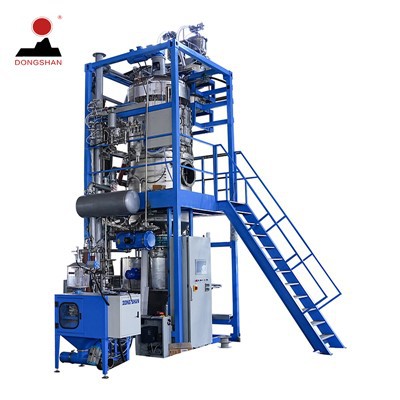
First off, let’s understand what causes the uneven density in the first place. One major culprit is improper steam distribution. In an EPS Shape Molding Machine, steam is used to expand the EPS beads and then fuse them together. If the steam doesn’t reach all parts of the mold evenly, some areas will have more expanded beads and higher density, while others will be less dense.
Another reason is the variation in the initial bead size and quality. If the EPS beads you’re using aren’t uniform in size or if their quality varies, it’s gonna be super hard to get a consistent density across the product. Also, the way you load the beads into the mold matters. If they’re not spread out evenly, you’re likely to end up with uneven density.
Now, let’s dive into the solutions.
1. Optimize Steam Distribution
The first thing you need to do is to make sure your steam system is working properly. Check the steam pipes for any blockages or leaks. A blocked pipe can prevent steam from reaching certain parts of the mold, and a leaky pipe means you’re losing steam pressure. You can use a pressure gauge to monitor the steam pressure at different points in the system. If you notice any significant pressure differences, it’s a sign that there might be an issue with the pipes.
Another thing you can do is to adjust the steam inlet and outlet positions. In some machines, you can actually customize where the steam enters and exits the mold. By experimenting with different positions, you can find the setup that gives you the most even steam distribution. For example, if you notice that one side of the mold always has a lower density, you can try moving the steam inlet closer to that side.
You should also pay attention to the steam temperature and flow rate. The temperature needs to be just right. If it’s too low, the beads won’t expand fully, and if it’s too high, they might over – expand in some areas. You can use a temperature sensor to monitor the steam temperature and make adjustments as needed. As for the flow rate, a consistent and appropriate flow is essential for even bead expansion. A slow flow might not reach all parts of the mold in time, while a too – fast flow could cause the beads to be displaced unevenly.
2. Ensure Bead Quality and Uniformity
When it comes to EPS beads, quality is key. Make sure you’re sourcing your beads from a reliable supplier. A good supplier will offer beads with a narrow size distribution. You can ask for a sample first and use a sieve to check the bead size. Beads that are too large or too small can disrupt the expansion process and lead to uneven density.
It’s also a good idea to store the beads properly. Exposure to moisture can damage the beads and affect their expansion properties. Keep them in a dry and cool place, and make sure the storage containers are sealed tightly.
Before loading the beads into the mold, you can use a pre – expansion tester. This device will help you determine the best pre – expansion time and temperature for your beads. By pre – expanding the beads evenly, you’re one step closer to getting a consistent density in the final product.
3. Improve Bead Loading
The way you load the beads into the mold can make a huge difference. Instead of just dumping them in, try using a bead loader or a vibrating table. A bead loader can distribute the beads more evenly across the mold cavity. It works by controlling the flow of beads and spreading them out in a controlled manner.
A vibrating table is also very useful. By vibrating the mold gently while loading the beads, you can help the beads settle into place and fill all the nooks and crannies of the mold. This ensures that there are no voids or areas with less bead coverage, which would otherwise result in uneven density.
You can also divide the loading process into multiple steps. Start by adding a thin layer of beads, vibrating the mold to settle them, and then add another layer. Repeat this process until the mold is filled to the appropriate level. This method helps to ensure that the beads are evenly distributed throughout the mold.
4. Adjust Machine Settings
Your EPS Shape Molding Machine has a bunch of settings that can affect the product density. Take the time to understand these settings and make some adjustments. For example, the clamping force of the mold is important. If the clamping force is too low, the beads might not be compressed evenly during the molding process, leading to uneven density. On the other hand, if it’s too high, it could damage the mold or cause the beads to break.
The cooling time is another crucial factor. After the beads are expanded and fused together with steam, the product needs to be cooled properly. If the cooling is too fast or uneven, it can cause shrinkage in some areas and lead to density variations. You can adjust the cooling water flow rate and temperature to ensure a gradual and even cooling process.
The molding cycle time also matters. A cycle that’s too short might not give the beads enough time to expand and fuse properly, while a cycle that’s too long could waste energy and cause over – expansion. Experiment with different cycle times to find the optimal setting for your specific product and machine.
5. Regular Maintenance and Monitoring
Don’t forget about regular maintenance of your EPS Shape Molding Machine. Clean the mold regularly to remove any debris or residue that might affect the bead flow and steam distribution. Check the seals and gaskets to make sure they’re in good condition. A faulty seal can cause steam leaks, which will lead to uneven density.
You should also set up a monitoring system. Use sensors to keep track of important parameters such as steam pressure, temperature, and product density. By collecting data over time, you can identify any trends or patterns that might indicate a problem. For example, if you notice a gradual decrease in product density in a certain area of the mold, it could be a sign of a developing issue with the steam system or the mold itself.
In conclusion, solving the uneven density problem in an EPS Shape Molding Machine requires a combination of proper steam distribution, high – quality beads, correct loading techniques, appropriate machine settings, and regular maintenance. By following these tips, you can significantly improve the consistency of your product density and enhance the overall quality of your EPS products.
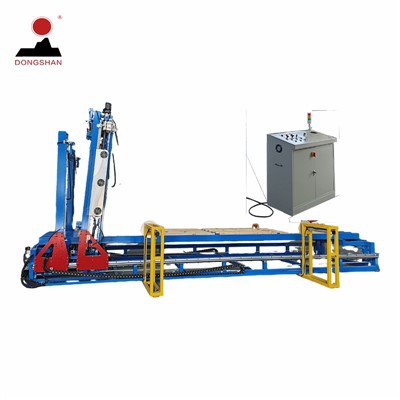
If you’re struggling with this issue or thinking about upgrading your EPS Shape Molding Machine, I’d love to have a chat with you. I’ve got a wealth of experience in this field and can offer you the best solutions for your specific needs. Don’t hesitate to reach out and let’s start a discussion about how I can help you achieve better product quality.
EPS Block Molding Machine References:
- [1] Industry reports on EPS manufacturing processes.
- [2] Technical manuals of EPS Shape Molding Machines.
Hangzhou Fuyang Dongshan Plastic Machinery Co., Ltd.
Hangzhou Fuyang Dongshan Plastic Machinery Co., Ltd. is one of the most professional EPS shape molding machine manufacturers and suppliers in China, featured by quality products and low price. Please feel free to wholesale advanced EPS shape molding machine made in China here and get quotation from our factory. Customized orders are welcome.
Address: 101 Guanting, Baiqian Villige, Luzhu Town, Fuyang District, Hangzhou City, Zhejiang Province, China
E-mail: xu@dong-shan.cn
WebSite: https://www.epseppmachinery.com/
