What is the energy consumption of a commercial hot water dispenser?
As a supplier of commercial hot water dispensers, I’ve encountered numerous inquiries about the energy consumption of these essential appliances. Understanding the energy usage of a commercial hot water dispenser is crucial for businesses aiming to manage costs, optimize efficiency, and make informed purchasing decisions. In this blog post, I’ll delve into the factors influencing energy consumption, how to calculate it, and strategies to reduce it. Commercial Hot Water Dispenser
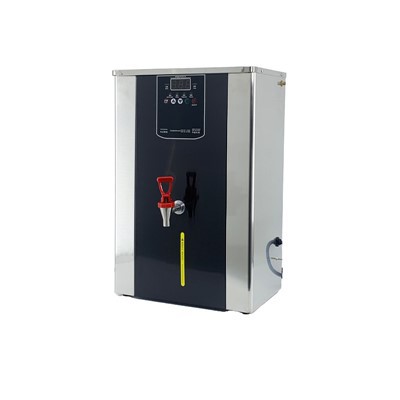
Factors Influencing Energy Consumption
Several factors contribute to the energy consumption of a commercial hot water dispenser. By understanding these factors, businesses can better manage their energy usage and reduce costs.
- Heating Capacity and Power Rating: The heating capacity and power rating of a commercial hot water dispenser are significant determinants of energy consumption. Dispensers with higher heating capacities and power ratings generally require more energy to heat water. For instance, a dispenser with a 3000-watt power rating will consume more energy than one with a 1500-watt rating when heating water to the same temperature. When choosing a commercial hot water dispenser, businesses should consider their hot water demand and select a dispenser with an appropriate heating capacity and power rating.
- Insulation: The quality of insulation in a commercial hot water dispenser plays a crucial role in energy conservation. Well-insulated dispensers retain heat more effectively, reducing the need for frequent reheating and thus lowering energy consumption. Dispensers with poor insulation, on the other hand, lose heat more quickly, requiring the heating element to operate more frequently to maintain the desired water temperature. When selecting a dispenser, businesses should look for models with high-quality insulation materials, such as polyurethane foam, to minimize heat loss and save energy.
- Usage Frequency: The frequency and volume of hot water usage also impact energy consumption. Commercial establishments with high hot water demand, such as restaurants, cafes, and offices, will consume more energy than those with lower demand. Additionally, the time of day when hot water is used can affect energy consumption. For example, if a large volume of hot water is used during peak hours, the dispenser may need to work harder to meet the demand, resulting in higher energy consumption. Businesses can optimize energy usage by scheduling hot water usage during off-peak hours and implementing water-saving measures, such as using low-flow faucets and encouraging employees to use only the amount of hot water they need.
- Initial Water Temperature: The temperature of the incoming water can also influence the energy required to heat it to the desired temperature. In regions with colder climates, the initial water temperature may be lower, requiring more energy to heat the water to the set temperature. Conversely, in warmer climates, the initial water temperature may be higher, reducing the energy needed for heating. Businesses in colder regions may need to consider additional insulation or preheating options to minimize the energy required to heat the water.
Calculating Energy Consumption
Calculating the energy consumption of a commercial hot water dispenser can help businesses estimate operating costs and compare different models. The following formula can be used to calculate the energy consumption of a dispenser:
Energy Consumption (kWh) = Power Rating (kW) × Operating Time (hours)
For example, if a commercial hot water dispenser has a power rating of 2 kW and operates for 8 hours a day, the daily energy consumption would be:
Energy Consumption = 2 kW × 8 hours = 16 kWh
To calculate the monthly or annual energy consumption, simply multiply the daily energy consumption by the number of days in the month or year.
It’s important to note that the actual energy consumption of a commercial hot water dispenser may vary depending on factors such as usage frequency, insulation, and initial water temperature. Therefore, the calculated energy consumption should be used as an estimate rather than an exact figure.
Strategies to Reduce Energy Consumption
Reducing the energy consumption of a commercial hot water dispenser can help businesses save money on utility bills and minimize their environmental impact. Here are some strategies to consider:
- Choose an Energy-Efficient Model: When purchasing a commercial hot water dispenser, look for models with energy-efficient features, such as high-quality insulation, low standby power consumption, and adjustable temperature settings. Energy Star-certified dispensers are designed to meet strict energy efficiency guidelines and can help businesses save energy and money.
- Optimize Usage: Encourage employees to use only the amount of hot water they need and avoid leaving the dispenser running when not in use. Implementing a policy to turn off the dispenser during non-business hours can also significantly reduce energy consumption.
- Maintain the Dispenser: Regular maintenance of the commercial hot water dispenser is essential to ensure optimal performance and energy efficiency. This includes descaling the heating element, checking the insulation for damage, and replacing any worn-out parts. A well-maintained dispenser will operate more efficiently and consume less energy.
- Consider Alternative Energy Sources: In some cases, businesses may consider using alternative energy sources, such as solar or geothermal energy, to power their commercial hot water dispensers. These renewable energy sources can significantly reduce energy costs and carbon emissions, making them a sustainable and cost-effective option for businesses.
Conclusion

Understanding the energy consumption of a commercial hot water dispenser is crucial for businesses looking to manage costs, optimize efficiency, and make environmentally friendly choices. By considering factors such as heating capacity, insulation, usage frequency, and initial water temperature, businesses can calculate the energy consumption of a dispenser and implement strategies to reduce it.
Commercial Hot Water Dispenser As a supplier of commercial hot water dispensers, I’m committed to helping businesses find the most energy-efficient solutions for their needs. If you’re interested in learning more about our products or have any questions about energy consumption, please don’t hesitate to contact us. We’d be happy to discuss your requirements and provide you with a customized solution that meets your budget and sustainability goals.
References
- "Energy Efficiency Standards for Commercial Water Heaters." U.S. Department of Energy.
- "Commercial Hot Water Dispensers: A Guide to Energy Efficiency." Energy Star.
- "Reducing Energy Consumption in Commercial Buildings." American Council for an Energy-Efficient Economy.
Guangzhou Xinglan Kitchenware Co., Ltd.
As one of the most experienced commercial hot water dispenser manufacturers and suppliers in China, we also support customized service. Please feel free to buy high quality commercial hot water dispenser made in China here from our factory. For more information, contact us now.
Address: No.17, Duna West Road, Shibi Street, Panyu District, Guangzhou, Guangdong Province, China
E-mail: 13928793158@163.com
WebSite: https://www.cnaisilan.com/
