What are the power limitations when using a Jp Standard Plug Pin in an RV?
As a supplier of JP standard plug pins, I often encounter inquiries from RV enthusiasts regarding the power limitations when integrating these plug pins into their recreational vehicles. This topic is crucial as it directly impacts the safety, efficiency, and functionality of the electrical systems within an RV. In this blog post, I will delve into the details of these power limitations, providing valuable insights for those considering using JP standard plug pins in their RVs. Jp Standard Plug Pin
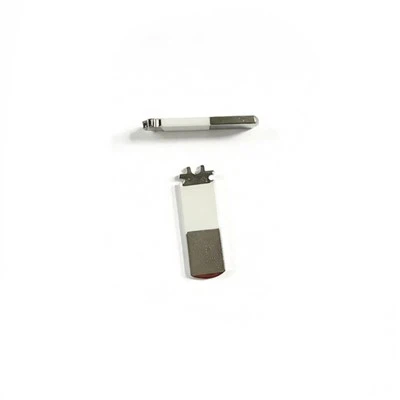
Understanding the JP Standard Plug Pin
Before discussing the power limitations, it is essential to understand what a JP standard plug pin is. The JP standard refers to the electrical plug and socket standards used in Japan. These plug pins are designed to fit into corresponding Japanese electrical outlets, ensuring a secure and reliable connection for electrical devices. They come in various configurations, including two – prong and three – prong designs, each with specific characteristics and applications.
The two – prong JP standard plug pins are commonly used for low – power electrical devices, while the three – prong version includes a grounding pin, which is crucial for safety, especially when dealing with high – power or sensitive equipment. In the context of an RV, the choice between two – prong and three – prong plug pins depends on the electrical requirements of the devices to be connected.
Power Ratings and Compatibility
One of the primary factors determining the power limitations when using a JP standard plug pin in an RV is the power rating of the plug pin itself. JP standard plug pins typically have specific amperage and voltage ratings. In Japan, the standard household voltage is 100V, and the amperage ratings for common plug pins can range from 5A to 15A.
When using these plug pins in an RV, it is important to note that the electrical systems in RVs may have different voltage and amperage requirements. Most RVs in North America, for example, operate on a 120V electrical system, while some larger RVs may also have a 240V option. This difference in voltage can pose a significant challenge when using JP standard plug pins.
If you try to connect a device designed for 100V (using a JP standard plug pin) to a 120V RV electrical system without proper conversion, the device may overheat, malfunction, or even be damaged. On the other hand, if you attempt to connect a 120V device to a 100V JP – compatible circuit in an RV, the device may not operate at its full capacity or may not work at all.
In addition to voltage differences, the amperage rating of the JP standard plug pin must be considered. If the electrical device in the RV draws more current than the plug pin can handle, it can lead to overheating of the plug pin, which is a serious safety hazard. For example, if a high – power device such as an air conditioner or a microwave requires 15A of current, but the JP standard plug pin has a rating of only 5A, the plug pin will likely become hot, and the insulation may melt, potentially causing a fire.
Circuit Capacity in an RV
Another aspect to consider is the overall circuit capacity of the RV’s electrical system. RVs have a limited number of electrical circuits, each with a specific amperage capacity. These circuits are designed to distribute power safely throughout the vehicle.
When using a JP standard plug pin in an RV, you need to ensure that the additional load from the connected device does not exceed the capacity of the circuit. Overloading a circuit can cause circuit breakers to trip, cutting off power to the affected area. In some cases, continuous overloading can damage the electrical wiring in the RV, leading to costly repairs.
For instance, if an RV has a 15A circuit dedicated to a particular area, and you connect a device using a JP standard plug pin that draws a significant amount of power, you need to calculate the total load on the circuit. If the combined load of all the devices on the circuit exceeds 15A, the circuit breaker will trip.
Adaptation and Conversion
To overcome the power limitations and compatibility issues when using a JP standard plug pin in an RV, adaptation and conversion may be necessary. There are several options available:
Voltage Converters: A voltage converter can be used to change the voltage from the RV’s electrical system (e.g., 120V) to the 100V required by the JP – compatible device. However, it is important to choose a converter with an appropriate power rating. If the converter’s power rating is too low, it may not be able to handle the load of the device, leading to inefficiency or damage.
Adapter Plugs: Adapter plugs can be used to physically fit the JP standard plug pin into the RV’s electrical outlets. These adapters do not change the voltage or amperage, but they allow the plug pin to be inserted into the outlet. However, it is crucial to ensure that the adapter is of high quality and can handle the electrical load.
Safety Considerations
Safety should always be the top priority when using a JP standard plug pin in an RV. Here are some important safety considerations:
- Inspect the Plug Pin and Adapter: Regularly inspect the JP standard plug pin and any adapters or converters for signs of damage, such as frayed wires, loose connections, or melted insulation. If any damage is found, do not use the plug pin or adapter until it has been repaired or replaced.
- Follow Manufacturer’s Instructions: Always follow the manufacturer’s instructions for the electrical devices, plug pins, adapters, and converters. This includes proper installation, usage, and maintenance.
- Use a Surge Protector: A surge protector can help protect the electrical devices in the RV from power surges, which can occur due to various reasons, such as lightning strikes or fluctuations in the electrical grid.
Conclusion
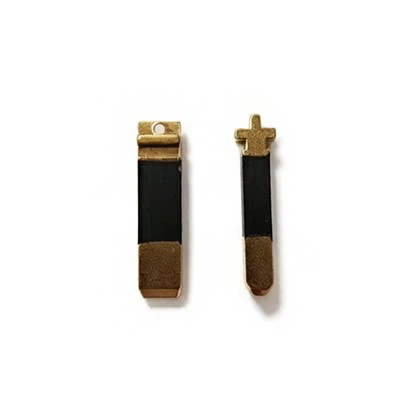
In conclusion, using a JP standard plug pin in an RV comes with several power limitations that need to be carefully considered. The differences in voltage and amperage ratings between the JP standard and the RV’s electrical system, as well as the circuit capacity of the RV, can pose challenges. However, with proper adaptation, conversion, and safety precautions, it is possible to use JP standard plug pins safely and effectively in an RV.
Jp Standard Plug Pin If you are an RV enthusiast interested in using JP standard plug pins or need more information about their compatibility and power limitations, I encourage you to reach out to me. As a supplier of JP standard plug pins, I have the expertise and knowledge to help you make the right choices for your RV’s electrical system. Whether you need advice on voltage converters, adapter plugs, or the best plug pin configurations for your specific needs, I am here to assist you. Contact me to start a discussion about your requirements and explore the options available for integrating JP standard plug pins into your RV.
References
- Electrical Engineering Handbook, Third Edition. CRC Press.
- RV Electrical Systems Manuals from leading RV manufacturers.
- Japanese Electrical Standards Publications.
Dongguan Fangrun Metal Products Co., Ltd.
We’re well-known as one of the leading jp standard plug pin manufacturers in China, specialized in providing high quality customized products. Please feel free to buy discount jp standard plug pin made in China here from our factory. For quotation and free sample, contact us now.
Address: New Town Industrial Zone,Xiegang Village,Xie Gang Town,Dongguan City
E-mail: 825556703@qq.com
WebSite: https://www.fangrunpin.com/
