As a supplier of water treatment agents, I understand the crucial role these agents play in maintaining water quality across various industries. The effectiveness of water treatment agents is not only determined by their formulation but also by how they are stored. Proper storage is essential to preserve the chemical stability and efficacy of these agents over time. In this blog, I’ll share some key strategies on how to store water treatment agents to maintain their effectiveness. Water Treatment Agent

Understanding the Nature of Water Treatment Agents
Before delving into storage methods, it’s important to understand the different types of water treatment agents and their unique characteristics. Water treatment agents can be broadly classified into coagulants, flocculants, disinfectants, scale inhibitors, and corrosion inhibitors, among others. Each type has specific chemical properties that can be affected by environmental factors such as temperature, humidity, and exposure to light.
Coagulants and flocculants, for example, are used to remove suspended solids from water. They work by neutralizing the charges on particles, causing them to clump together and settle out. These agents are often sensitive to temperature and can lose their effectiveness if stored at high temperatures. Disinfectants, on the other hand, are used to kill bacteria and other microorganisms in water. They can be volatile and may degrade if exposed to air or light for extended periods.
Temperature Control
One of the most critical factors in storing water treatment agents is temperature control. Most water treatment agents have an optimal temperature range for storage. For many liquid agents, a temperature between 5°C and 30°C is ideal. Storing agents outside this range can lead to chemical degradation, changes in viscosity, or even freezing and thawing cycles that can damage the product.
High temperatures can accelerate chemical reactions, causing agents to break down more quickly. This can result in a loss of efficacy and a shorter shelf life. For example, some disinfectants may lose their potency when exposed to high temperatures, making them less effective at killing bacteria. On the other hand, low temperatures can cause agents to thicken or even freeze, which can also affect their performance.
To maintain the right temperature, it’s important to store water treatment agents in a climate-controlled environment. This could be a warehouse with air conditioning or heating systems, or a storage room with proper insulation. If possible, use temperature monitoring devices to ensure that the storage temperature remains within the recommended range.
Humidity Management
Humidity can also have a significant impact on the storage of water treatment agents. High humidity can cause agents to absorb moisture from the air, leading to clumping, caking, or even chemical reactions. This is particularly true for powdered agents, which are more susceptible to moisture absorption.
To prevent moisture-related issues, store water treatment agents in a dry environment. Use sealed containers to protect the agents from humidity. If the storage area is prone to high humidity, consider using dehumidifiers to reduce the moisture level. Additionally, avoid storing agents near sources of water or in areas with poor ventilation, as this can increase the risk of moisture accumulation.
Light Exposure
Exposure to light can also degrade water treatment agents, especially those that are sensitive to ultraviolet (UV) radiation. UV light can break down chemical bonds in the agents, causing them to lose their effectiveness. This is particularly true for some disinfectants and oxidizing agents.
To protect water treatment agents from light, store them in opaque containers or in a dark storage area. If the agents are stored in clear containers, cover them with a light-blocking material such as a black plastic sheet. Additionally, avoid storing agents near windows or other sources of direct sunlight.
Storage Containers
The choice of storage containers is also important for maintaining the effectiveness of water treatment agents. Containers should be made of materials that are compatible with the agents being stored. For example, some agents may react with certain types of plastics or metals, so it’s important to choose containers that are resistant to chemical corrosion.
Sealed containers are essential to prevent the agents from coming into contact with air, moisture, or other contaminants. Make sure the containers are tightly sealed and have a good closure mechanism. If the agents are stored in drums or large containers, use appropriate lids and seals to prevent leakage.
Labeling and Inventory Management
Proper labeling and inventory management are crucial for ensuring the proper storage and use of water treatment agents. Each container should be clearly labeled with the name of the agent, its concentration, the date of manufacture, and the expiration date. This information will help you keep track of the agents and ensure that they are used before they expire.
In addition to labeling, it’s important to maintain an inventory of the water treatment agents. This will help you keep track of the quantity of each agent on hand, as well as its location in the storage area. Regularly review the inventory to identify any agents that are approaching their expiration date and take appropriate action to use or dispose of them.
Handling and Safety Precautions
When handling water treatment agents, it’s important to follow proper safety precautions to prevent accidents and ensure the effectiveness of the agents. Wear appropriate personal protective equipment (PPE), such as gloves, goggles, and a respirator, when handling the agents. Follow the manufacturer’s instructions for handling and storage, and avoid mixing different agents unless specifically recommended.
In case of spills or leaks, have a spill response plan in place. This should include procedures for containing the spill, cleaning it up, and disposing of the contaminated materials safely. Make sure all employees are trained on the proper handling and safety procedures for water treatment agents.
Conclusion
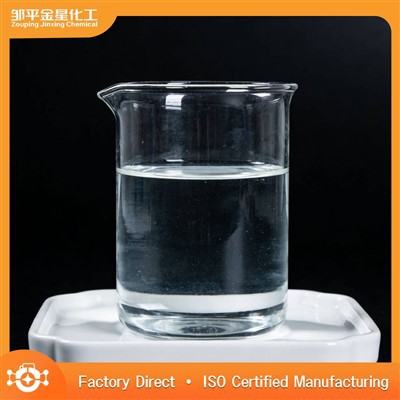
Proper storage of water treatment agents is essential for maintaining their effectiveness and ensuring the quality of water treatment processes. By controlling temperature, humidity, light exposure, and using appropriate storage containers, you can extend the shelf life of the agents and ensure that they perform as intended. Additionally, proper labeling and inventory management, as well as following safety precautions, are crucial for the safe and effective use of water treatment agents.
Borax If you’re in need of high-quality water treatment agents or have any questions about their storage and use, I invite you to contact me for a procurement discussion. I’m committed to providing the best products and services to meet your water treatment needs.
References
- American Water Works Association. (2019). Water Treatment Plant Operations.
- Water Quality Association. (2020). Water Treatment Handbook.
- Chemical Manufacturers Association. (2021). Chemical Storage Guidelines.
Zouping Jinxing Chemical Co., Ltd.
Zouping Jinxing Chemical Co., Ltd. is one of the most reliable water treatment agent manufacturers and suppliers in China, also supports customized service with low price. Please feel free to wholesale cheap water treatment agent in stock here from our factory. For free sample, contact us now.
Address: Guojia Village, Jiaoqiao Town, Binzhou City, Shandong Province, China
E-mail: admin@zpjxhg.com.cn
WebSite: https://www.zpjinxing.com/
