If you’re in the industrial supply game, you’ve probably seen ammonia pop up in all kinds of basic inorganic chemical specs, process flows, and production sheets. But let’s cut to the chase: is ammonia actually considered a basic inorganic chemical? As someone who’s been sourcing and supplying basic inorganic chemicals for over a decade, I’ve fielded this question from plant managers, lab techs, and even new interns more times than I can count. Spoiler: the answer isn’t just a yes or no—there’s a lot of science behind it, and it ties right into what makes a chemical “basic” in the first place. Basic Inorganic Chemicals
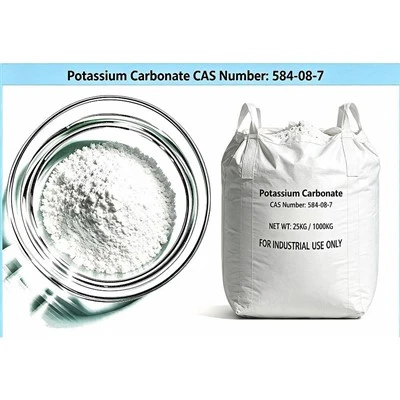
First, let’s break down the basics (pun totally intended, and I’ll own that) of what a basic inorganic chemical even is. These are the big-ticket, volume chemicals that form the backbone of almost every manufacturing industry out there. We’re talking things like sulfuric acid, sodium hydroxide, chlorine, and ammonia. Unlike specialty chemicals that get mixed up once for a niche product, basic inorganics are made in huge quantities, traded globally, and used as raw materials for everything from fertilizers to pharmaceuticals to water treatment. Ammonia checks all those boxes: global production numbers hit around 180 million metric tons a year, most of it going straight to agricultural fertilizers—yeah, that’s the ammonia you might’ve heard about boosting crop yields. But it also goes into making nylon, refrigeration systems, even the water you drink every day. So right off the bat, it’s not a random, off-the-shelf chemical; it’s core to the basic inorganic chemical space.
Now, the chemistry part that makes it “basic.” In chemistry terms, a base is a substance that either donates hydroxide ions (OH⁻) in water, accepts hydrogen ions (H⁺, or protons, for you chem folks), or releases electron pairs. Ammonia’s formula is NH₃, right? When it dissolves in water, it doesn’t fully split apart into ions the way a strong base like sodium hydroxide (NaOH) does, but it does react with water molecules to form ammonium ions (NH₄⁺) and hydroxide ions. That reaction looks like this: NH₃ + H₂O ⇌ NH₄⁺ + OH⁻. Those OH⁻ ions are what make the solution basic—turn litmus paper blue, have that sharp, pungent smell you know from window cleaner or industrial storage tanks. It’s a weak base, but it’s still a base. Some people mix up ammonia with other gases, like hydrogen sulfide, which is acidic, but no—ammonia’s pH in a 1M water solution is around 11, which is definitely on the basic side of the scale (neutral is 7, acids are below, bases above). That’s not just a random fact; it’s why ammonia is used in so many industrial processes that require a mild to moderate base—you can’t use a super strong base like caustic soda for things where you need to avoid over-reacting, and ammonia fits perfectly.
But let’s talk about the flip side too, because nothing in industrial chemistry is black and white. Ammonia also acts as an acid in some reactions, right? When it reacts with really strong bases, it can donate a proton. That’s where people sometimes get confused: “If it can be an acid too, is it still a base?” Here’s the thing: most of the time, when we classify ammonia in the context of basic inorganic chemicals, we’re talking about its behavior in aqueous (water-based) solutions, which is the way it’s most often handled and used in industrial settings. The industrial world doesn’t classify chemicals based on every single reaction they can have—we classify them based on their primary function, their role in supply chains, and how they’re sold. Ammonia’s main uses are as a base for fertilizer production, as a raw material for making nitric acid (another key basic inorganic chemical, which is acidic, but that’s a whole other blog), and as a pH adjuster in processes like textile dyeing and paper manufacturing. So even if it has dual personality in lab settings, in the real world of industrial chemical supply, ammonia is firmly grouped as a basic inorganic chemical.
Wait, let’s also address a common misconception from folks who are new to the space: some people think “inorganic” means it has no carbon. But that’s not entirely accurate—carbon-containing compounds like carbonates (sodium carbonate, washing soda, which is a basic inorganic chemical too) and even some small organic molecules are sometimes grouped in basic inorganics, but ammonia is definitely inorganic because it doesn’t have a carbon atom in its structure. The key for basic inorganic chemicals is that they’re derived from non-living matter, mined or produced from raw materials like natural gas, air, and water—exactly how ammonia is made. The Haber-Bosch process, which synthesizes ammonia from nitrogen in the air and hydrogen from natural gas, is one of the most widely used chemical production processes on the planet. That’s not a specialty lab trick; it’s a massive, industrial-scale process that turns raw, abundant materials into a basic inorganic chemical. That’s another box checked for “basic” status: it’s produced in huge volumes, used across multiple industries, and is a foundational chemical, not a final product itself.
As a supplier of basic inorganic chemicals, I can tell you first-hand how often ammonia moves through our warehouses. We don’t just sell drums of it for small batches; we supply bulk liquid ammonia in tanker trucks, and even anhydrous ammonia (that’s ammonia with almost all water removed, super pure, used for fertilizer injection and industrial refrigeration) to farmers, chemical manufacturers, and municipal water treatment plants. Last year, we shipped over 50,000 metric tons of ammonia alone, and most of our regular clients list it as a top three product in their basic inorganic chemical portfolios. You won’t find ammonia tucked away with specialty chemicals; it’s right there on the shelves next to sulfuric acid, sodium hydroxide, and chlorine—all core basic inorganics. That’s not a coincidence; that’s how the industry has classified it for decades, because it fits every single criteria we use for those terms.
Let’s also clear up a bit of confusion around “basic” vs. “alkaline.” A lot of people use these interchangeably, and that’s fine for industrial talk, but in chemistry, alkaline refers to bases that come from alkali metals (like sodium or potassium), while ammonia is a non-alkali base. But in the context of basic inorganic chemicals, the term “basic” doesn’t strictly mean alkali—it means the chemical has basic properties, which ammonia does. So even though it’s not an alkali metal base, it’s still a basic chemical, and that’s how the industry has standardized it. This isn’t some made-up classification; it’s based on decades of chemical manufacturing, supply chain categorization, and global industry standards from groups like the International Fertilizer Association and the American Chemical Society.
Now, why does this matter to you, whether you’re a plant manager, a farmer, or a procurement specialist? If you’re sourcing basic inorganic chemicals, you need to know exactly what you’re getting and how it will perform in your process. If you thought ammonia wasn’t a basic inorganic chemical, you might’ve written it off for uses where a base is required, or you might’ve paid more for a specialty product when ammonia is actually the cost-effective, industry-standard choice. I’ve had clients call us before asking for a “basic inorganic chemical” to adjust their process pH, and when we recommend ammonia, they’ll say, “Wait, I thought ammonia was a gas, not a base chemical.” That’s just the mix-up between common knowledge and industry classification, but once we walk them through the science and the supply chain, they’re back ordering it within the week.
Another point: ammonia’s role as a precursor to other basic inorganic chemicals. We use it to make ammonium nitrate, ammonium sulfate, and urea fertilizers (all basic inorganics), as well as nitric acid, which is used to make explosives, fertilizers, and even dyes. You can’t make a huge chunk of the world’s basic inorganic chemical products without ammonia. That’s the definition of a basic chemical: it’s a building block for other chemicals, not just an end product. If it was just a basic chemical on its own, it wouldn’t be grouped with the other core inorganics.
I should also mention that there’s no debate in the chemical industry here. I’ve been to dozens of industrial chemical conferences, worked with procurement teams across 20+ countries, and collaborated with other basic inorganic chemical suppliers, and not once has anyone questioned ammonia’s status as a basic inorganic chemical. The arguments you might see online from random chemistry forums are usually from people who are mixing up lab-specific classifications with real-world industry use. For what it’s worth, every major chemical trade association—including the ones we rely on for our supply specs—lists ammonia as a primary basic inorganic chemical.

Let’s wrap this up, because I know you’re probably here looking for practical info, not just a chemistry lesson. So to answer the question straight: yes, ammonia absolutely is a basic inorganic chemical. It checks all the boxes: it’s a core, volume-produced chemical that’s foundational to global manufacturing, it has well-documented basic chemical properties, it’s classified as such by every major industry group, and it’s a staple in every basic inorganic chemical supplier’s inventory.
Resin Quick-drying Agent If you’re currently sourcing ammonia or any other basic inorganic chemicals—whether you need bulk liquid ammonia, anhydrous ammonia, sulfuric acid, sodium hydroxide, or other core industrial chemicals—we’ve got you covered. We work with clients across agriculture, pharmaceuticals, water treatment, and manufacturing to supply consistent, high-quality chemicals at competitive prices. Don’t waste time hunting for the right product when we can help you streamline your supply chain and get the materials you need to keep your operations running smoothly. Reach out to our team to discuss your requirements, get a quote, or ask any other questions you have about basic inorganic chemicals like ammonia.
References
- Shriver, D. F., & Atkins, P. W. (2010). Inorganic Chemistry (5th ed.). W.H. Freeman and Company.
- International Fertilizer Association. (2023). Global Ammonia Production and Use Report.
- American Chemical Society. (2022). Classification of Basic Inorganic Chemicals for Industrial Supply.
Hunan Hansheen Chemical Co., Ltd.
We are one of the most reliable basic inorganic chemicals manufacturers and suppliers in China, also support customized service. Please feel free to wholesale bulk high quality basic inorganic chemicals made in China here from our factory. Welcome to contact us for price list.
Address: Building A3, Zhonglian Avenue New City Commercial Plaza, Jinshi High tech Industrial Development Zone, Changde City, Hunan Province
E-mail: hanxin.liuchangxin@gmail.com
WebSite: https://www.hansheenchem.com/
