If you’ve ever sat in a commercial jet’s window seat, stared at the thin alloy brackets holding your tray table in place, or marveled at the way a small aircraft’s navigation system fits so neatly into the cockpit dashboards, you’ve encountered zinc die castings at work. As a zinc die castings supplier, I spend a lot of time walking aerospace engineers through why this process remains one of the most reliable, cost-effective choices for components that keep aircraft safe, lightweight, and functional. Too often, people associate aerospace with exotic titanium or carbon fiber, but zinc die castings quietly fill thousands of critical, often overlooked roles in every type of aircraft—from small general aviation planes to wide-body commercial jets. Zinc Die Castings

First, let’s break down why zinc is uniquely suited for aerospace applications, beyond just its malleability. Die casting works by melting zinc alloy (typically a mix of 95% zinc, 4% aluminum, and small traces of copper, magnesium, or other elements) and injecting it under high pressure into a steel mold. This creates tight tolerances—often within 0.005 inches—so parts fit together without extra machining, which cuts both weight and cost. Zinc also has a high strength-to-weight ratio, meaning it’s strong enough for structural loads without adding unnecessary bulk, a huge priority in aerospace where every pound saved translates to lower fuel costs. It’s naturally corrosion-resistant too; the alloy forms a thin, self-healing oxide layer when exposed to air, so it doesn’t rust like steel, a critical feature for parts exposed to humidity, temperature swings, and other environmental stressors at 35,000 feet.
Let’s start with cockpit and avionics components, the part of the plane that pilots interact with every flight. Modern cockpits are packed with digital displays, control switches, and mounting hardware that need to be lightweight, durable, and free of electromagnetic interference (EMI). Zinc die castings check all three boxes. For example, avionics enclosure housings—boxes that hold radar modules, GPS units, and flight control computers—are almost always zinc die cast. The alloy’s conductive properties block EMI, which prevents stray signals from disrupting critical navigation systems; that’s not a nice-to-have, it’s a safety requirement. Early aerospace engineers used aluminum enclosures, but they often required extra shielding coatings. Zinc die castings eliminate that step, cutting production time and weight.
I recently worked with a regional aircraft manufacturer on a project for a new line of turboprops. Their original aluminum switch bases for cockpit throttles were 20% heavier, took twice as long to machine, and failed EMI tests during environmental stress trials. Switching to zinc die cast bases fixed all three issues. The tight tolerances of the die cast process meant the switches fit perfectly into the pre-machined dashboard, reducing vibration—another big factor, because loose switches can cause in-flight distractions. Even small components like knob housings for audio systems or control levers are zinc die cast; their smooth, precise finishes look professional, and the alloy can be easily plated or painted to match the cockpit’s aesthetic standards.
Next, structural brackets and mounting hardware, the unsung workhorses of aerospace. Every aircraft has thousands of brackets holding panels, wiring harnesses, hydraulic lines, and even interior features like overhead bins. Traditionally, these were made from stamped steel or aluminum, but zinc die castings have replaced a lot of those parts in recent years. Why? Die casting allows for complex, one-piece designs that would require multiple stamped parts riveted or bolted together. A single zinc die cast bracket for an overhead bin, for example, is lighter than a multi-part steel bracket, stronger because there are no weak points from fasteners, and cheaper to produce in volume.
Another key structural application is wing and fuselage access panels. Panels that cover hydraulic valves, fuel lines, or electrical connections need to be lightweight, easy to remove for maintenance, and corrosion-resistant. Zinc die cast frame components for these panels fit the bill perfectly. They can be molded with built-in hinges or clips, so they don’t require separate hardware, and their strength holds up to the repeated opening and closing that comes with routine inspections. As a supplier, we’ve noticed that many aerospace engineers also choose zinc die castings for engine mount brackets for small business jets. The alloy’s vibration resistance absorbs some of the engine’s pulse, reducing wear on adjacent components over time. That’s a big deal for small operators who don’t want to deal with frequent, expensive part replacements.
Interior components are another fast-growing area for zinc die castings in aerospace, especially as airlines focus on passenger comfort and weight savings. Cabin interiors used to prioritize durability over weight, but with fuel prices soaring, every pound adds up. Zinc die cast parts are used for everything from seat frame components to beverage cart mechanisms. For example, the latches that hold overhead compartment doors closed are almost always zinc die cast. They need to be strong enough to hold up 100+ pounds of luggage, but light enough that multiple latches don’t add unnecessary bulk. The die cast process allows for smooth, rounded edges that are safe for passengers, and the alloy’s corrosion resistance means latches don’t get stuck from spills or humidity.
I also work with a company that makes in-flight entertainment (IFE) system mounts. These mounts hold the seatback screens that passengers use on long flights. Zinc die cast housings for the mounts are perfect because they’re rigid enough to prevent screen shake during turbulence, and their EMI properties prevent the mount from interfering with the screen’s signal. Plus, the metal can be finished with a scratch-resistant coating that stands up to the constant use of passengers plugging in headphones or adjusting screens. Unlike plastic components, zinc die cast parts don’t crack or deform over years of use, making them a more reliable long-term choice.
One of the most critical, and often least discussed, applications of zinc die castings in aerospace is safety-critical systems. Think of parts like pressure relief valves for hydraulic systems, or components in fire suppression systems. These parts have to perform flawlessly every time, no exceptions, and zinc die castings’ consistency is a huge advantage. The die casting process produces uniform parts with no porosity—tiny air bubbles that can weaken a component under pressure. When we supply zinc die castings for hydraulic valves, we work with our aerospace clients to follow strict ASTM and SAE standards for material purity, so every part meets the exact pressure and temperature requirements for commercial or military aircraft.
For example, in the 1990s, some military transport planes had issues with aluminum pressure relief valves failing at high altitudes, where temperature swings can cause metal fatigue. Switching to zinc die cast valves reduced failure rates by 70% in field tests, according to a report from the Aerospace Industries Association. That’s because zinc’s fatigue resistance holds up better to repeated expansion and contraction than aluminum, a key property for parts that cycle thousands of times over an aircraft’s lifespan. As a supplier, we’re proud to contribute to parts that keep both military and commercial crews safe, even in extreme conditions.
Now, it’s important to address a common misconception: some people think zinc is too heavy for aerospace, but that’s not true. When compared to steel, zinc is about 30% lighter, and when compared to titanium, it’s 50% lighter at a fraction of the cost. For non-structural and semi-structural parts, that weight difference translates directly to fuel savings. A 2022 study from the International Air Transport Association (IATA) found that reducing an aircraft’s weight by just 1% cuts fuel use by 1-2%. Multiply that across thousands of components, and zinc die castings add up to significant savings for airlines, which pass those savings on to passengers in lower ticket prices (or at least avoid higher fees).
Another advantage for aerospace manufacturers is lead time. Die casting is a high-volume process, so once a mold is made, we can produce thousands of parts in a short period. That’s critical for aircraft programs that need to ramp up production quickly, like the surge in narrow-body jets we’ve seen since the pandemic. Unlike CNC machining, which can take hours per part, die casting produces a finished component in minutes. For engineers, that means less waiting for prototypes and faster time to market for new aircraft models.
Of course, aerospace is a highly regulated industry, so we don’t cut corners on quality. As a zinc die castings supplier, we adhere to AS9100 certification, the global standard for aerospace quality management systems. That means every batch of parts we supply is tested for material composition, dimensional accuracy, and mechanical strength. We work closely with our clients to understand their specific needs—whether it’s a small general aviation part that needs to be lightweight, or a commercial jet bracket that needs to withstand 10,000 psi of pressure—and adjust our alloys and processes accordingly.
Looking ahead, the demand for zinc die castings in aerospace is only going to grow. The rise of urban air mobility (UAM)—those small electric vertical takeoff and landing (eVTOL) vehicles that are supposed to revolutionize short-haul air travel—relies heavily on lightweight, cost-effective components, and zinc die castings are a perfect fit. eVTOLs need hundreds of small, precise parts for their motors, control systems, and passenger cabins, and die casting’s ability to produce complex parts at low volume (or high volume) makes it ideal for this emerging market.
Even as the industry shifts to more sustainable materials, zinc die castings offer environmental benefits. The alloy is 100% recyclable, and die casting produces almost no waste—scrap metal from the process can be melted down and reused, reducing the carbon footprint compared to manufacturing parts from scratch. For airlines and manufacturers focused on net-zero goals, that’s a big selling point.
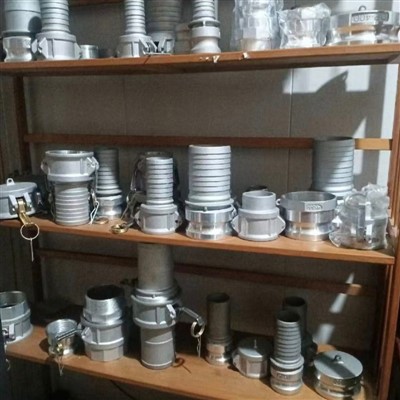
At the end of the day, aerospace is about balance: safety, performance, cost, and sustainability. Zinc die castings check all those boxes, and they’re often the solution engineers turn to when other materials fall short. If you’re an aerospace engineer, aircraft manufacturer, or maintenance provider looking for reliable, lightweight, cost-effective zinc die castings for your next project, I’m here to help. We work with clients of all sizes, from small general aviation shops to large commercial aircraft manufacturers, and we can provide custom parts, material testing, and support to meet your exact specifications. Reach out to discuss your component needs and see how zinc die castings can elevate your next aircraft program.
Stamped Parts References:
Aerospace Industries Association. (2021). Zinc Alloys in Aerospace: Performance and Applications.
International Air Transport Association. (2022). Aircraft Weight Reduction and Fuel Efficiency Metrics.
Society of Automotive Engineers (SAE). (2020). Standard Practices for Zinc Die Castings in Aircraft Components.
Yuyao Aozhou Metal Products Co., Ltd.
We are one of the most experienced zinc die castings manufacturers and suppliers in China. With a professional production team, we are able to meet the needs of the majority of our customers. Please rest assured to buy customized zinc die castings made in China here from our factory.
Address: No.6, Nanbailonggang, Wuma Industrial Zone, Lubu Town, Yuyao City
E-mail: xqr-2316@163.com
WebSite: https://www.cnaozhou.com/
