If you’ve ever hung around a truck stop at 2 a.m., watching rigs rumble in and out of the lot, you’ve probably thought, “How long does a tractor truck actually last?” I’ve been selling these things for going on 12 years now, and I get this question at least once a week—usually from new owner-operators who’re trying to stretch their startup budget, or from fleet managers who don’t want to drop a ton of cash on replacements every few years. The short answer is, it’s not just one number—it depends on how you treat it, what you haul, and how hard you push it. Let me break this down like I do for every customer who walks through my door. Tractor Truck
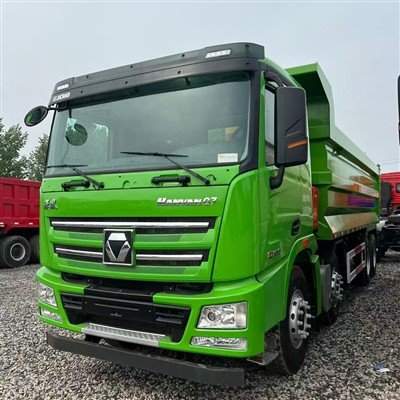
First off, let’s get one thing straight: a tractor truck’s lifespan isn’t like a car’s. You don’t drive it to the grocery store and back, park it in your garage, and change the oil when the light pops on. These things work. Hard. A linehaul tractor might put on 100,000 miles a year—some even more—while the average car hits 12,000 to 15,000. So right off the bat, the math says a truck’s got way more wear and tear to deal with.
I’ve seen tractors hit a million miles and still rolling strong, and I’ve seen ones kick the bucket at 300,000 miles. The big difference? Maintenance. It’s not glamorous, and it’s easy to skip when you’re crunching to hit a delivery deadline, but that’s the #1 thing that kills a truck early. Let’s say you haul heavy freight—like construction equipment or full loads of steel—you’re putting way more stress on the engine, transmission, and axles than someone who’s running light loads between warehouses. Those heavy hauls mean more heat, more friction, and more strain on every part. So a tractor that does 100,000 miles a year with heavy loads will wear out faster than one that does the same mileage with empty trailers or light consumer goods.
Also, how you drive matters. I’ve had owner-operators who baby their rigs—warm up the engine before hitting the road, shift smoothly, don’t ride the brakes, and do their oil changes every 25,000 miles like clockwork. Their trucks last decades. Then there’s the guys who floor it at every green light, skip oil changes by 10,000 miles, and haul way over the weight limit because they’re trying to make a quick buck. Those trucks? They’re done before their time.
I should mention that the average lifespan for a typical linehaul tractor—you know, the ones that cross the country delivering everything from clothes to food? It’s around 15 to 20 years, but that’s if they’re well-maintained. Wait, but sometimes people count “service life” vs. “useful life.” Service life is how long a manufacturer says it’ll run before major overhauls are required. Useful life is how long you can keep it on the road making money. For most fleets, useful life is 7 to 10 years, or about 500,000 to 700,000 miles. Once you hit that, parts start breaking left and right, and the cost of fixing them adds up so much it’s cheaper to buy a new one. But for owner-operators who know their way around a wrench, I’ve seen trucks keep going past a million miles with a couple of engine overhauls. That’s the good stuff.
Let’s talk about the parts that make or break a truck’s lifespan. The engine is obviously the heart. A diesel engine, if you take care of it, can easily go 500,000 miles before needing a rebuild. Some of the newer ones? With common rail fuel systems and all that tech, they can go even longer, but only if you use the right oil and do regular filter changes. The transmission is next—automatic or manual, both need fluid changes at the right intervals. Skimp on transmission fluid, and you’ll be replacing that for $8,000 faster than you can say “deadhead run.” Then there are the axles, brakes, suspension, and electrical systems. These are the parts that don’t get as much attention, but they cause a lot of breakdowns. A broken brake line at 2 a.m. in the middle of nowhere isn’t just an annoyance—it’s a money loser.
I see a lot of customers making the mistake of buying a used tractor to save cash, not realizing that a used truck’s lifespan is only as good as its last owner’s maintenance. I once sold a 2015 model to a guy who swore he got a steal of a deal—only to call me six months later saying the engine blew, and the transmission was on its way out. Turned out the previous owner never changed the oil, skipped scheduled repairs, and ran the truck way too hard. That guy ended up spending more on repairs than he would’ve if he’d bought a well-maintained used truck from the start.
On the flip side, I’ve had customers who trade in their trucks at 7 years old, with 800,000 miles, because they want the latest safety features—lane departure warnings, automatic emergency braking, that stuff. Those trucks still have plenty of life left, but fleet managers see the value in newer tech that prevents accidents, which saves them way more money in the long run. So if you’re not running a fleet that needs the latest safety gear, a 7-year-old truck in good shape can still last another 5 to 10 years as a local hauler or a yard jockey—no problem.
What about vocational tractors, like the ones used for dump trucks, cement mixers, or logging trucks? Those are way different than linehaul rigs. They work in rough conditions—dirt, mud, uneven terrain, stop-and-go all day. Their lifespan is shorter, usually 10 to 15 years, or 300,000 to 500,000 miles. All that constant stop-and-go and off-road work beats up the engine, brakes, and frame way faster than a truck that’s cruising down the highway. I’ve seen dump trucks get totalled at 250,000 miles because they were used to haul 20-ton loads over gravel roads every day.
Another thing to consider: emissions regulations. Back in the day, before all the strict EPA rules, diesel engines were a lot simpler. You could work on them in your garage, fix small issues easy, and they’d run forever. Now, with diesel particulate filters (DPFs), selective catalytic reduction (SCR) systems, and all that computerized stuff, repairs are more expensive, and if you don’t do the required regens (the process that cleans the DPF), the engine will throw a check engine light and go into limp mode. That’s turned a lot of owners off from older trucks, because keeping up with emissions tech is more complicated. So while an older truck might have the potential to last longer, the cost of keeping it compliant can cut its useful life short.
Let me share a story that sticks with me. A regular customer of mine, Joe, has been running a 2012 Freightliner that he bought brand new. He’s an owner-operator who hauls refrigerated loads—perishables, so he can’t be late. He does his own maintenance: changes the oil every 20,000 miles, checks the DPF every time he fuels, and has a mechanic go over it every six months. Last month, he hit 1.2 million miles, and the truck is still running like a champ. He told me he’s going to keep it another year, then trade it in—because he knows once he hits 1.5 million, the repairs will start adding up, and he’d rather get a new rig with a warranty. Joe’s the kind of guy that makes the rest of us in the truck business proud. He respects his machine, and it takes care of him.
On the other side, another customer, Mike, bought a 2018 tractor from a guy who kept it in a fleet. Mike only used it for local deliveries, so it only had 100,000 miles when he got it. But Mike skipped oil changes for 6 months, and didn’t bother with the DPF regens when he should’ve. Last winter, the engine seized up, and the mechanic said it was too far gone to fix. Mike ended up scrapping the truck, because repairing the engine cost more than the truck was worth. That’s a mistake a lot of new owner-operators make—they think a low-mileage used truck is a good deal, but if the maintenance wasn’t done, it’s a ticking time bomb.
So what does all this mean for you, whether you’re a new owner-operator or a fleet manager trying to figure out when to replace your tractors? First, don’t just look at the age or mileage. Look at the maintenance records. A 10-year-old truck with full service history is way more reliable than a 5-year-old truck that’s had half its scheduled repairs skipped. Second, know your application. If you’re running linehaul on the highway, you can get way more life out of a truck than if you’re running vocational work in tough conditions. Third, prioritize maintenance. It’s not a cost—it’s an investment. Changing your oil, checking your brakes, fixing small issues before they turn into big ones will save you thousands in repairs and downtime.
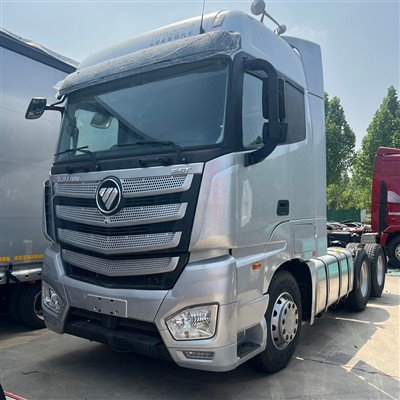
I’ll be honest with you: I sell tractors, but I don’t push anyone to buy new if a good used one will work for them. If you take care of a truck, it’ll take care of you. But if you’re in the market for a tractor, let’s talk. I’ve got a range of models, from new linehaul rigs with all the latest safety features to well-maintained used ones that are ready to hit the road. Whether you’re just starting out and need a rig that won’t break the bank, or you’re a fleet looking to update your lineup, I can help you pick the right one for your needs, and give you tips to keep it running for years to come. Don’t wait for your current truck to die on the side of the road—let’s chat about what you need, and find a tractor that fits.
Jiefang Tractor Truck References:
- American Trucking Associations. (2022). "Tractor Truck Maintenance and Lifespan Report."
- Diesel Technology Forum. (2021). "Emissions Systems Impact on Heavy-Duty Vehicle Service Life."
- Heavy Duty Trucking Magazine. (2023). "Useful Life of Linehaul vs. Vocational Tractor Trucks."
- National Highway Traffic Safety Administration. (2022). "Commercial Vehicle Age and Safety Outcomes Study."
Jining Yaochi Automobile Trading Co., Ltd.
With abundant experience, we are one of the most professional tractor truck manufacturers in China. Please feel free to buy cheap tractor truck made in China here from our factory. Quality products and reasonable price are available.
Address: Liangshan Industrial Park, Jining City, Shandong Province, China
E-mail: Yzhiying23@gmail.com
WebSite: https://www.yaochitruck.com/
