When it comes to the design and functionality of chair back frames, one often overlooked yet critical factor is the weight of the frame. As a chair back frame supplier, I’ve witnessed firsthand how the weight of these frames can significantly impact their portability, which in turn affects various aspects of their use and marketability. In this blog post, I’ll delve into the implications of a chair back frame’s weight on portability, exploring both the pros and cons and offering insights to help you make informed decisions when sourcing chair back frames. Chair Back Frame
Understanding Portability and Its Importance
Portability is a key consideration for many consumers and businesses when choosing furniture, including chairs. Whether it’s for home use, office settings, outdoor events, or educational institutions, the ability to easily move and transport chairs can greatly enhance their utility. A portable chair can be quickly rearranged to accommodate different seating configurations, moved to different locations as needed, and stored compactly when not in use. This flexibility is particularly valuable in dynamic environments where space is limited or where seating requirements change frequently.
The Impact of Weight on Portability
The weight of a chair back frame plays a crucial role in determining its portability. A heavier frame can make the chair more difficult to lift, carry, and maneuver, especially for individuals with limited strength or mobility. On the other hand, a lighter frame can offer greater ease of use and make it simpler to transport chairs from one place to another.
Ease of Lifting and Carrying
One of the most immediate impacts of a chair back frame’s weight is on the ease of lifting and carrying the chair. A heavy frame can require more physical effort to pick up and move, which can be a significant deterrent for users, particularly in situations where they need to transport multiple chairs. For example, at an outdoor event or a trade show, staff may need to move a large number of chairs quickly to set up or break down the venue. If the chairs are too heavy, this task can become time-consuming and physically exhausting.
In contrast, a lighter chair back frame makes it easier for users to lift and carry the chair with minimal effort. This can improve efficiency and reduce the risk of injuries associated with heavy lifting. For individuals with disabilities or limited mobility, a lightweight chair can also enhance their independence and ability to move chairs around as needed.
Maneuverability
The weight of a chair back frame can also affect its maneuverability, especially in tight spaces or crowded environments. A heavy chair may be more difficult to navigate through narrow doorways, around furniture, or in confined areas, increasing the risk of collisions and damage. This can be particularly problematic in high-traffic areas such as offices, schools, or conference centers.
A lighter chair, on the other hand, offers greater maneuverability and can be easily moved in and out of tight spaces. This makes it more convenient for users to arrange chairs in different configurations and adapt to changing seating needs. For example, in a classroom setting, teachers may need to quickly rearrange the desks and chairs for different activities. A lightweight chair back frame allows them to do this easily and efficiently.
Storage
Portability also extends to the storage of chairs. A heavy chair can be more challenging to stack or store neatly, taking up more space and potentially causing damage to the chairs or surrounding furniture. In contrast, a lighter chair can be easily stacked and stored in a compact manner, reducing the amount of space required for storage.
This is particularly important for businesses and organizations that need to store a large number of chairs when not in use, such as event venues, schools, and churches. By choosing chairs with lightweight back frames, they can optimize their storage space and reduce the cost of storage facilities.
Balancing Weight and Durability
While a lightweight chair back frame offers many advantages in terms of portability, it’s important to consider the trade-off with durability. A very light frame may be less sturdy and more prone to damage, especially if it’s subjected to heavy use or rough handling. Therefore, it’s crucial to find a balance between weight and durability when selecting chair back frames.
Material Selection
One of the key factors in achieving this balance is the choice of materials for the chair back frame. Different materials have different weights and strengths, and selecting the right material can help optimize the frame’s weight without compromising its durability.
For example, aluminum is a popular choice for chair back frames due to its lightweight and corrosion-resistant properties. It offers a good balance between strength and weight, making it suitable for a variety of applications. Steel, on the other hand, is a stronger and more durable material but is also heavier. However, advances in steel manufacturing technology have led to the development of high-strength, lightweight steel alloys that can provide the necessary durability while keeping the weight of the frame relatively low.
Design Considerations
In addition to material selection, the design of the chair back frame can also play a role in balancing weight and durability. A well-designed frame can distribute the weight evenly and provide adequate support, reducing the risk of damage and ensuring long-term durability.
For example, a frame with a reinforced structure or additional support elements can be stronger and more resistant to wear and tear without significantly increasing the weight. Similarly, the use of ergonomic design principles can improve the comfort and usability of the chair while maintaining its portability.
Considerations for Different Applications
The implications of a chair back frame’s weight on portability can vary depending on the specific application. Different environments and user needs may require different levels of portability and durability. Here are some considerations for different applications:
Home Use
In a home setting, portability may be less of a concern compared to commercial or public environments. However, a lightweight chair can still offer convenience, especially for moving chairs around the house or outside for outdoor activities. For example, a lightweight folding chair can be easily carried to the backyard for a picnic or to the beach for a day out.
Office Use
In an office environment, portability is often important for rearranging the office layout or for accommodating different meetings and events. Lightweight chairs can be easily moved from one meeting room to another or stored away when not in use. Additionally, chairs with adjustable features and ergonomic design can provide comfort and support for long hours of sitting.
Outdoor Events
For outdoor events such as weddings, concerts, and festivals, portability is crucial. Chairs need to be easily transported to the event venue, set up quickly, and stored away after the event. Lightweight chairs are ideal for these applications as they can be carried by hand or loaded onto trucks with minimal effort.
Educational Institutions
In schools and universities, chairs need to be durable enough to withstand heavy use by students while also being portable for easy rearrangement of classrooms. A lightweight chair back frame can make it easier for teachers and students to move chairs around and create different seating arrangements for group work or presentations.
Conclusion
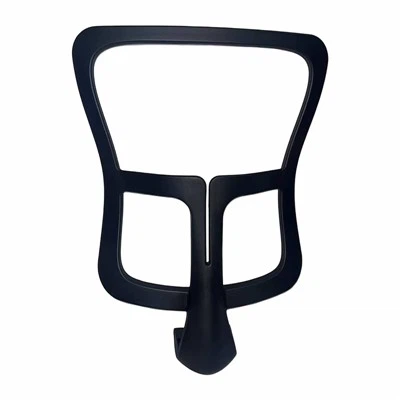
As a chair back frame supplier, I understand the importance of balancing weight and portability to meet the diverse needs of our customers. The weight of a chair back frame can have a significant impact on its portability, which in turn affects its usability, efficiency, and marketability. By carefully considering the material selection, design, and specific application, we can offer chair back frames that provide the right balance of weight, durability, and portability.
Keycaps If you’re in the market for high-quality chair back frames that offer optimal portability and durability, I encourage you to reach out to discuss your specific requirements. Our team of experts is dedicated to providing you with the best solutions for your needs. Whether you’re a furniture manufacturer, an event organizer, or a business owner, we can work with you to develop custom chair back frames that meet your exact specifications.
References
- Smith, J. (2020). The Impact of Furniture Weight on User Experience. Journal of Furniture Design and Research, 15(2), 45-56.
- Johnson, A. (2019). Portable Furniture: Design and Functionality. Proceedings of the International Conference on Furniture Design, 23-32.
- Williams, B. (2018). Material Selection for Chair Frames: Balancing Weight and Durability. Furniture Manufacturing Magazine, 45(6), 78-85.
Dongguan Weihong Furniture Co., Ltd.
As one of the most professional chair back frame manufacturers and suppliers in China, we also support customized service. We warmly welcome you to buy high quality chair back frame made in China here and get pricelist from our factory. For price consultation, contact us.
Address: No.145, Qingzhang Road, Changshantou Village, Qingxi Town, Dongguan City, Guangdong Province, China
E-mail: 1243042726@qq.com
WebSite: https://www.whfurni.com/
